Est. 1821 · Second state in the nation to fund public psychiatric care (1821) · 1857 Babcock Building — National Historic Landmark, second-oldest surviving state mental hospital structure · Documented high patient mortality rate at peak institutional period · Racially segregated campus under Jim Crow
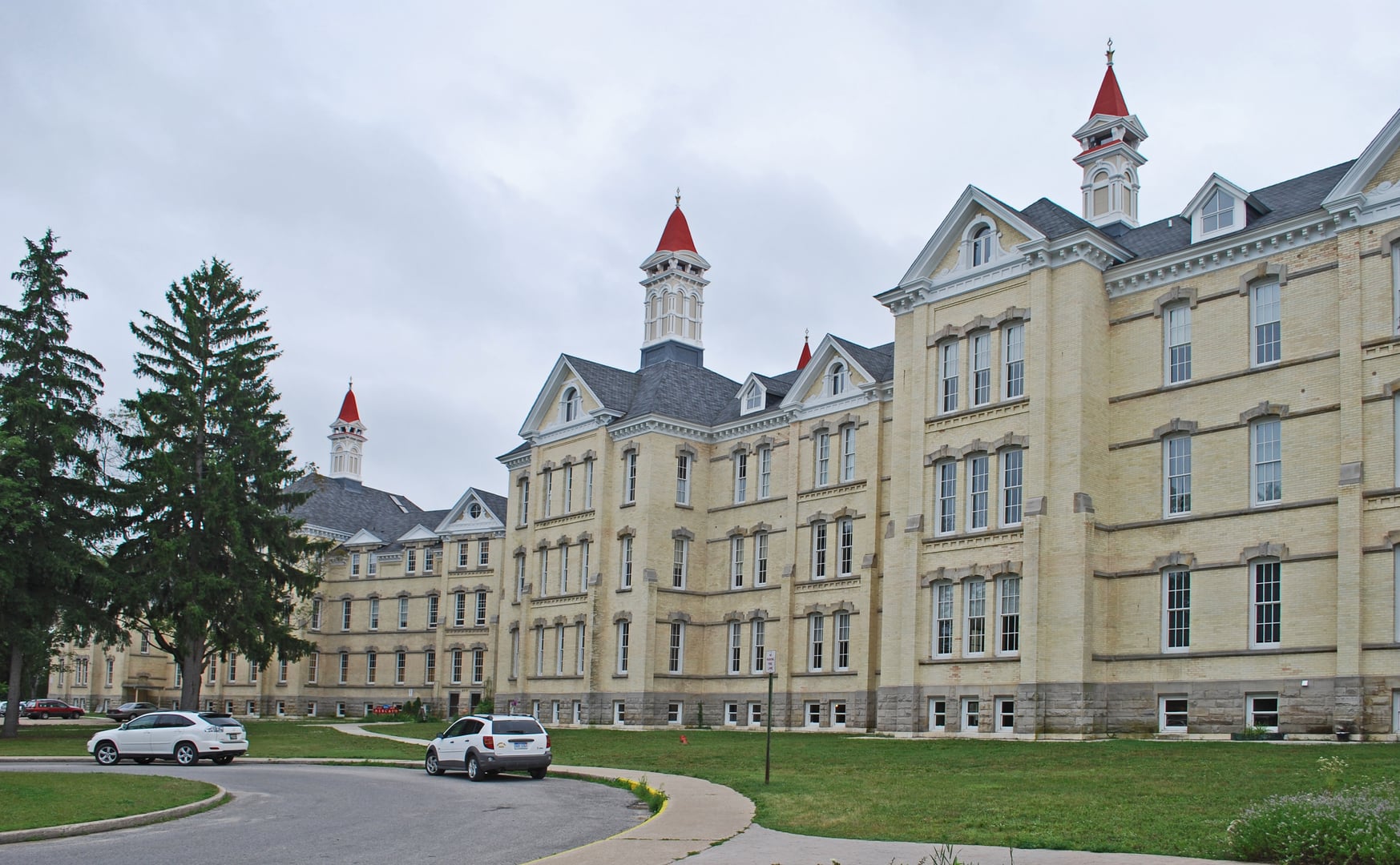
South Carolina established the Lunatic Asylum in Columbia in 1821, making the state the second in the nation to fund public psychiatric care. The original institution occupied a modest campus near what is now Bull Street. Expansion over the next several decades produced the building most associated with the campus's history: the 1857 structure later known as the Babcock Building, designed in the Italianate style and constructed to house the institution's growing patient population.
The Babcock Building took its name from Dr. James Wood Babcock, superintendent of the asylum in the late nineteenth century. Under Babcock's tenure and those of his successors, the institution grew into a substantial campus on the south side of Columbia. The facility served patients from across South Carolina and, for much of its history, operated under the racial segregation that characterized Southern public institutions — a separate building, the Bull Street Annex, housed African American patients.
The campus developed a grim mortality record. Historical research and Wikipedia sources cite a period when roughly 30 percent of the patient population died annually — a figure reflecting overcrowding, inadequate nutrition, poor sanitation, and medical practices that offered little therapeutic benefit. The Babcock Building was designated a National Historic Landmark as the nation's second-oldest surviving state mental hospital structure, a recognition of its architectural and institutional historical significance.
A fire in 2020 gutted the Babcock Building's interior, destroying much of the structure that had earned the landmark designation. The remaining shell has since been incorporated into a redevelopment project that is converting the historic Bull Street campus into a mixed-use neighborhood including condominiums. The institutional history of the campus now survives primarily in documentation — Wikipedia, the National Historic Landmarks database, and historical scholarship — rather than the physical structure.
Sources
- https://en.wikipedia.org/wiki/South_Carolina_State_Hospital
- https://en.wikipedia.org/wiki/Babcock_Building,_South_Carolina_State_Hospital
- https://usghostadventures.com/columbia-ghost-tour/
ApparitionsDisembodied voicesShadow figures
The South Carolina State Hospital's Bull Street campus carries a paranormal reputation grounded in its documented institutional history. The combination of a large patient population, high mortality rates over more than a century of operation, and the presence of on-site burial grounds for patients who died without families to claim them has produced a consistent body of regional ghost lore.
US Ghost Adventures includes the Bull Street campus in its Columbia ghost tour itinerary, framing the site through its documented history — the 1821 founding, the landmark 1857 Babcock Building, and the decades of institutional confinement. The tour covers the area of the former Babcock Building (now a fire-damaged shell undergoing redevelopment) alongside other Columbia historic sites.
Regional paranormal accounts have long associated the campus with apparitions in the older ward buildings, disembodied voices attributed to former patients, and shadow figures in and around the cemetery grounds. The 2020 fire that gutted the Babcock Building has not diminished the lore — some accounts incorporate the fire itself into the site's dark narrative. No formal published investigation has been conducted at the site under its current partially-demolished state, and access to the redevelopment area is restricted.
Where this legend is told