Est. 1830 · Antebellum Governor's Residence · Secession-Era Political History · Enslaved Community Site · South Carolina State Historic Site
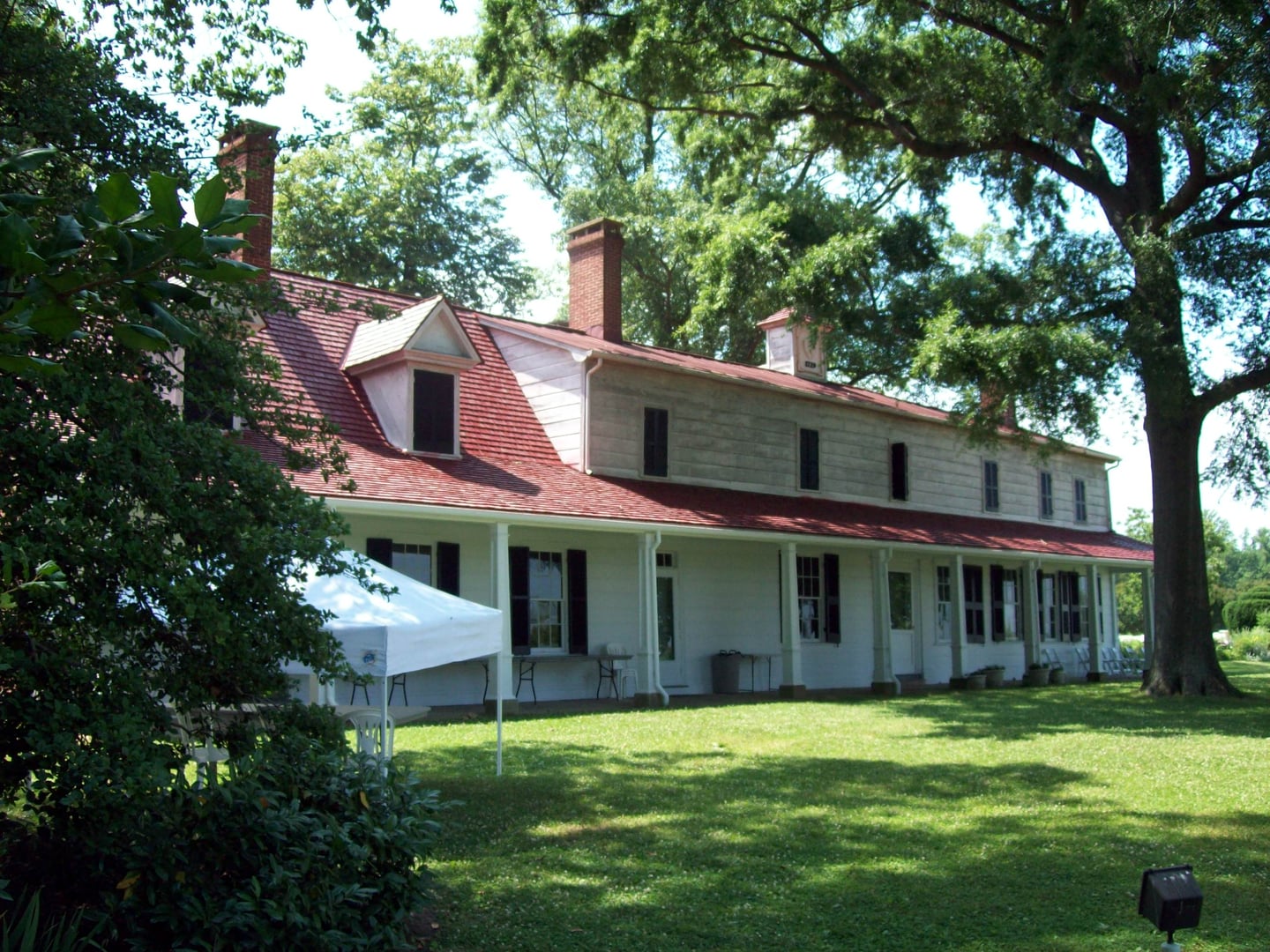
Either Francis Fincher Gist or his son William Henry Gist built a Georgian-style brick house at the property between roughly 1811 and 1830. The land became known as Rose Hill for the formal gardens established on the grounds. In the late 1850s, William Henry Gist remodeled the house, stuccoing the brick exterior, adding two-tier front and rear porches, and converting the architecture to a Greek Revival idiom.
Gist served as governor of South Carolina from 1858 to 1860. During his term Rose Hill effectively functioned as the governor's residence. Gist was one of the most prominent of the so-called fire-eaters, antebellum Southern politicians who actively pursued secession. From Rose Hill, Gist wrote the governors of Louisiana, North Carolina, Mississippi, Georgia, Alabama, and Florida in October 1860, suggesting that South Carolina would lead in seceding from the Union if Abraham Lincoln were elected. His cousin, States Rights Gist, carried those letters to the other governors.
The plantation was built and operated through the labor of enslaved people. By 1860 Rose Hill encompassed more than 8,000 acres and was one of the largest enslaved communities in Union District, with as many as 178 individuals enslaved on the property at one time. After Gist's death in 1874, his wife Mary E. Gist managed the property until 1889. Subsequent private owners maintained the home into the twentieth century.
In 1960 the state of South Carolina purchased the property and opened it as Rose Hill Plantation State Historic Site. Today the site is administered by South Carolina State Parks. Interpretation programs include a state-funded research initiative documenting the lives of the people enslaved at Rose Hill and incorporating their stories into the standard house tour.
Sources
- https://en.wikipedia.org/wiki/Rose_Hill_Plantation_State_Historic_Site
- https://www.scencyclopedia.org/sce/entries/rose-hill-plantation/
- https://southcarolinaparks.com/rose-hill/history-and-interpretation
- https://www.nps.gov/places/rose-hill-plantation-state-historic-site.htm
Disembodied screamingApparitionsEquipment malfunction
The Rose Hill folklore most often retold is the Cry Baby Bridge story attached to a small steel-truss bridge on the rural approach to the historic site. The legend, which is the South Carolina variant of a folktale found across the South and Midwest, holds that a woman threw her infant from the bridge in the 1950s and that a midnight visitor who parks and turns off the engine will hear the child cry and see the mother searching the water.
No specific historical incident has been independently documented for the Rose Hill bridge. The Cry Baby Bridge motif is well attested in American folklore studies as a legend that migrates from one rural bridge to another, attaching itself to local landmarks without surviving evidence of a specific event. The Rose Hill version appears in regional ghost compendia and in oral tradition collected by Union County residents.
Reported phenomena at the bridge fall into the legend's standard pattern: a faint cry that listeners describe as just at the edge of hearing, the impression of a woman in period dress moving along the embankment, and accounts of cars not restarting on the first turn of the key. None of these accounts have been corroborated by named witnesses in published investigations.
The mansion itself has a comparatively quiet paranormal reputation. State Parks staff do not promote the house as a haunted site, and the official interpretation focuses on the Gist family, the secession crisis, and the lives of the enslaved community. Visitors interested in the bridge legend should treat it as folklore — atmospheric, regionally distinctive, and unverified.
Notable Entities
The Cry Baby Bridge Mother