Outdoor Exploration
Daytime Bridge & Trail Visit
Walk the 130-foot Gothic-arch stone bridge over Little Gap Creek, explore the nature trail, and photograph this 200-year-old engineering marvel in a forest setting.
- Duration:
- 1 hr
HauntBound archive · catalog record
Reported phenomena, as catalogued
+ 3 further entries on record
South Carolina's oldest surviving stone bridge — an 1820 Gothic-arch landmark on the National Register of Historic Places, named by Condé Nast Traveler as one of America's 30 most haunted places.
580 Callahan Mountain Road, Travelers Rest, SC 29690
Research updated June 2026
Age
All Ages
Cost
Free
Free; SC Heritage Preserve, no admission fee
Access
Limited Access
Unpaved forest trail; uneven stone bridge surface and creek bank
Equipment
Photos OK
Est. 1820 · South Carolina's oldest surviving stone bridge (1820) · Possible Robert Mills design (architect of the Washington Monument) · National Register of Historic Places, listed 1970 · Part of the antebellum State Road connecting Charleston to the Carolina mountains · SCDNR Poinsett Bridge Heritage Preserve — 400 acres of conservation land
Poinsett Bridge stands as one of the most remarkable pieces of early American civil engineering still intact in the South. Built in 1820 by skilled stonemasons working without mortar, the structure stretches 130 feet over Little Gap Creek and features a 14-foot Gothic-arch opening with 15 feet of clearance above the water. Many historians attribute the design to Robert Mills, a South Carolina native who also designed the Washington Monument and the U.S. Treasury Building, though documentary evidence of his involvement is not fully conclusive.
The bridge was constructed as part of the State Road, an ambitious early-19th-century infrastructure project that connected the lowcountry port of Charleston to Columbia and then northward through the Blue Ridge foothills into western North Carolina and eastern Tennessee. It was one of three stone bridges built on the Saluda Mountain Road in 1820; Poinsett Bridge is the only one of the three still standing. The structure is named for Joel Roberts Poinsett — politician, diplomat, first U.S. ambassador to Mexico, and the man for whom the poinsettia plant is named — who served as president of South Carolina's Board of Public Works during the road's construction.
For most of the 19th and early 20th centuries, the bridge carried commercial and personal traffic connecting upcountry South Carolina to the mountains. When modern roads bypassed the old route, the bridge fell out of active use. It was added to the National Register of Historic Places on October 22, 1970, and in 1976 the state designated the surrounding land as a Heritage Preserve. As of 2024, the preserve encompasses 400 acres following a significant land acquisition by SC DNR.
Sources
Poinsett Bridge's paranormal reputation is among the most documented of any rural South Carolina site. In 2019 Condé Nast Traveler ranked it among the 30 most haunted places in America, drawing on a tradition of local accounts that dates back generations.
Visitors and investigators have reported a range of phenomena. Floating spheres of light — white, yellow, red, and green — appear both visually and in photographs near the bridge and around the parking area. Witnesses have described a translucent figure drifting along the top of the arch before fading into darkness, and multiple accounts describe "rattling chains, footsteps, and disembodied wails" emanating from beneath the span. Recurring vehicle trouble — engines that won't start, electronics that glitch — is among the most-repeated reports from visitors attempting to leave after dark. Paranormal research teams have documented unexplained red and white lights and recorded audio resembling a rhythmic heartbeat at the site.
Several origin stories circulate for the hauntings. One holds that workers who died of illness — possibly malaria — during the bridge's 1820 construction were buried within or beneath the structure as a practical measure. Another tradition speaks of a Cherokee presence in the northern Greenville County uplands predating European settlement, with some visitors reporting faint drumming sounds from the surrounding forest. A third account, common in local telling but historically unverified, involves violent death beneath the bridge; this version lacks documented historical support and should be understood as contested folk legend rather than documented history.
The bridge's remote setting — a forest road, near-total darkness after sunset, the sound of Little Gap Creek below — contributes powerfully to its atmosphere regardless of one's view on the paranormal.
Notable Entities
Media Appearances
Walk the 130-foot Gothic-arch stone bridge over Little Gap Creek, explore the nature trail, and photograph this 200-year-old engineering marvel in a forest setting.
Visitors have documented orb photography, unexplained lights, disembodied sounds, and recurring vehicle interference at the bridge after dark. Bring a flashlight and a partner — the forest road is remote.
Some links on this page may earn HauntBound a small commission when you book, at no extra cost to you. Our editorial picks are independent. Full disclosure
Every HauntBound history is researched from documented sources. We clearly separate verified historical fact from paranormal folklore.
Free Guide
Verified stops across all fifty states, rated for families. Free.
One email to confirm, then the guide link. Unsubscribe anytime.
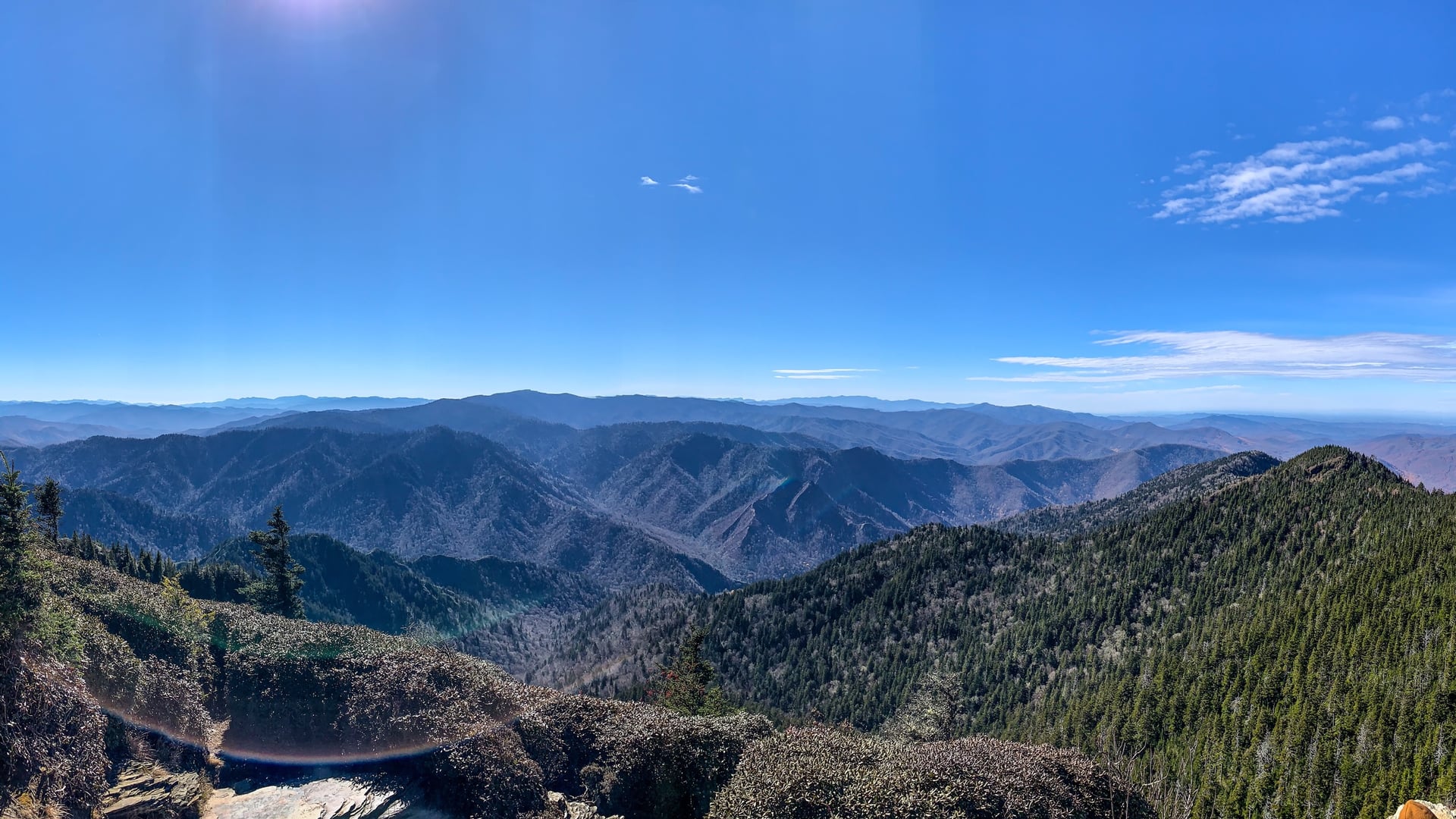
Gatlinburg, TN
Great Smoky Mountains National Park preserves 522,427 acres of southern Appalachian terrain across Tennessee and North Carolina. The land was the heart of the Cherokee Nation before forced removal in 1838 along what became the Trail of Tears, and home to Appalachian Scots-Irish and English settler communities through the early twentieth century. Congress authorized the park in 1926; it was formally dedicated by Franklin D. Roosevelt on September 2, 1940.
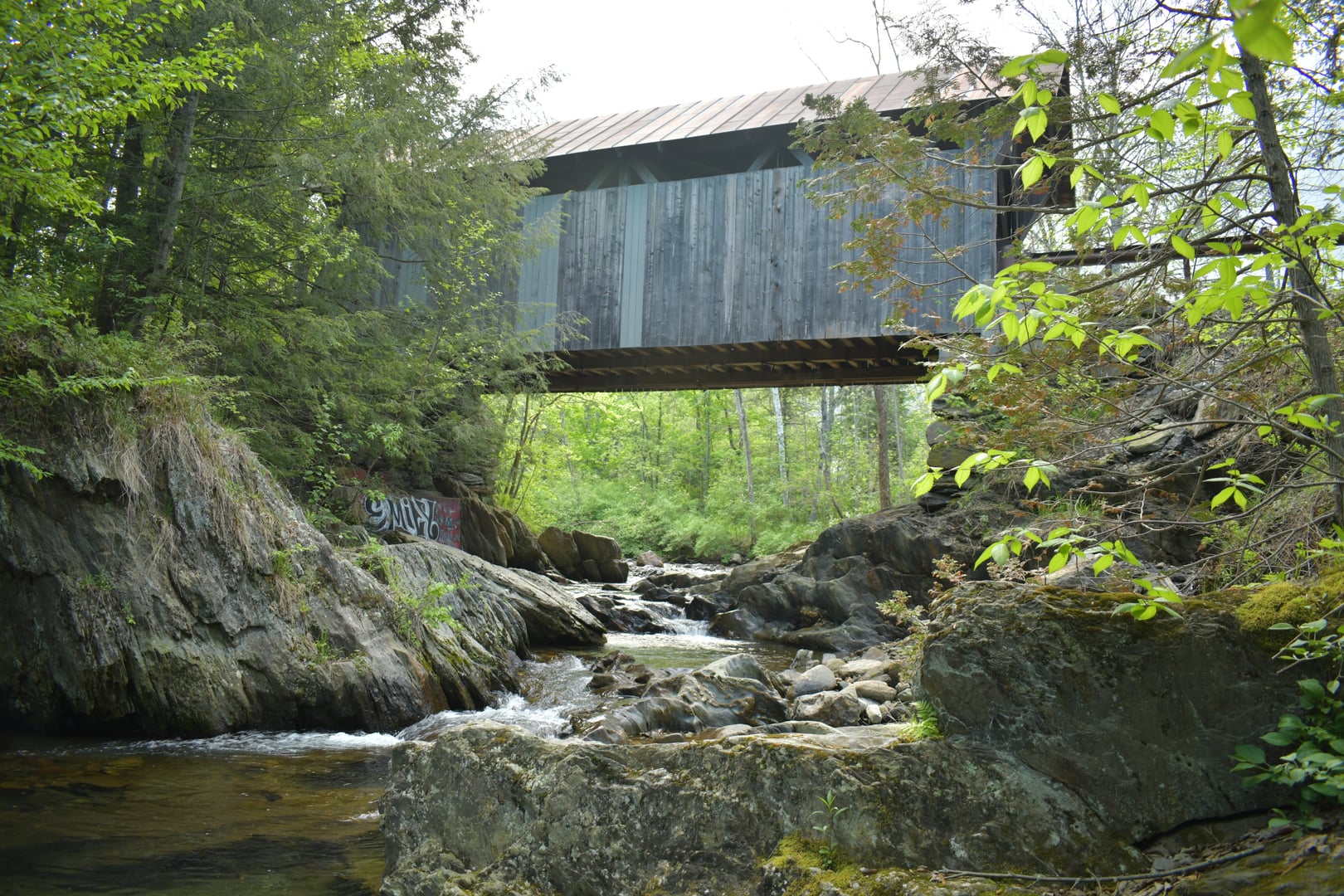
Stowe, VT
The Gold Brook Covered Bridge, locally called Emily's Bridge, was built in 1844 over Gold Brook in Stowe, Vermont. Its National Register nomination identifies it as Vermont's only timber-Howe-truss bridge carrying a public highway at that time, and it was listed on the National Register of Historic Places in 1974.
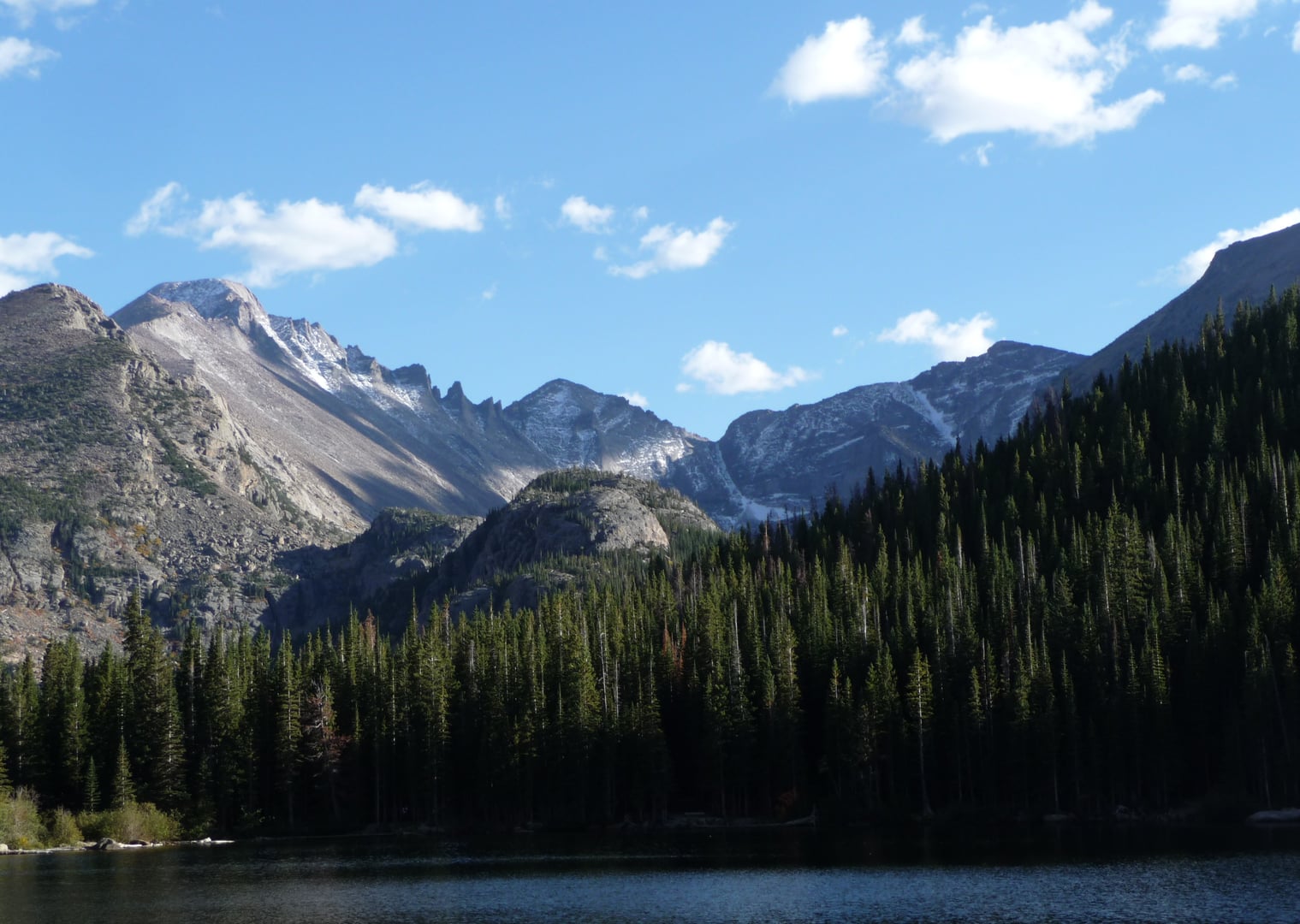
Estes Park, CO
Rocky Mountain National Park, established by President Woodrow Wilson on January 26, 1915, preserves 415 square miles of Front Range Colorado including Trail Ridge Road, Longs Peak, and the headwaters of the Colorado River. The park's Ute and Arapaho heritage is documented in oral tradition and in early settler accounts including the Legend of Grand Lake.