Est. 1754 · French and Indian War · George Washington's First Battle · National Road History
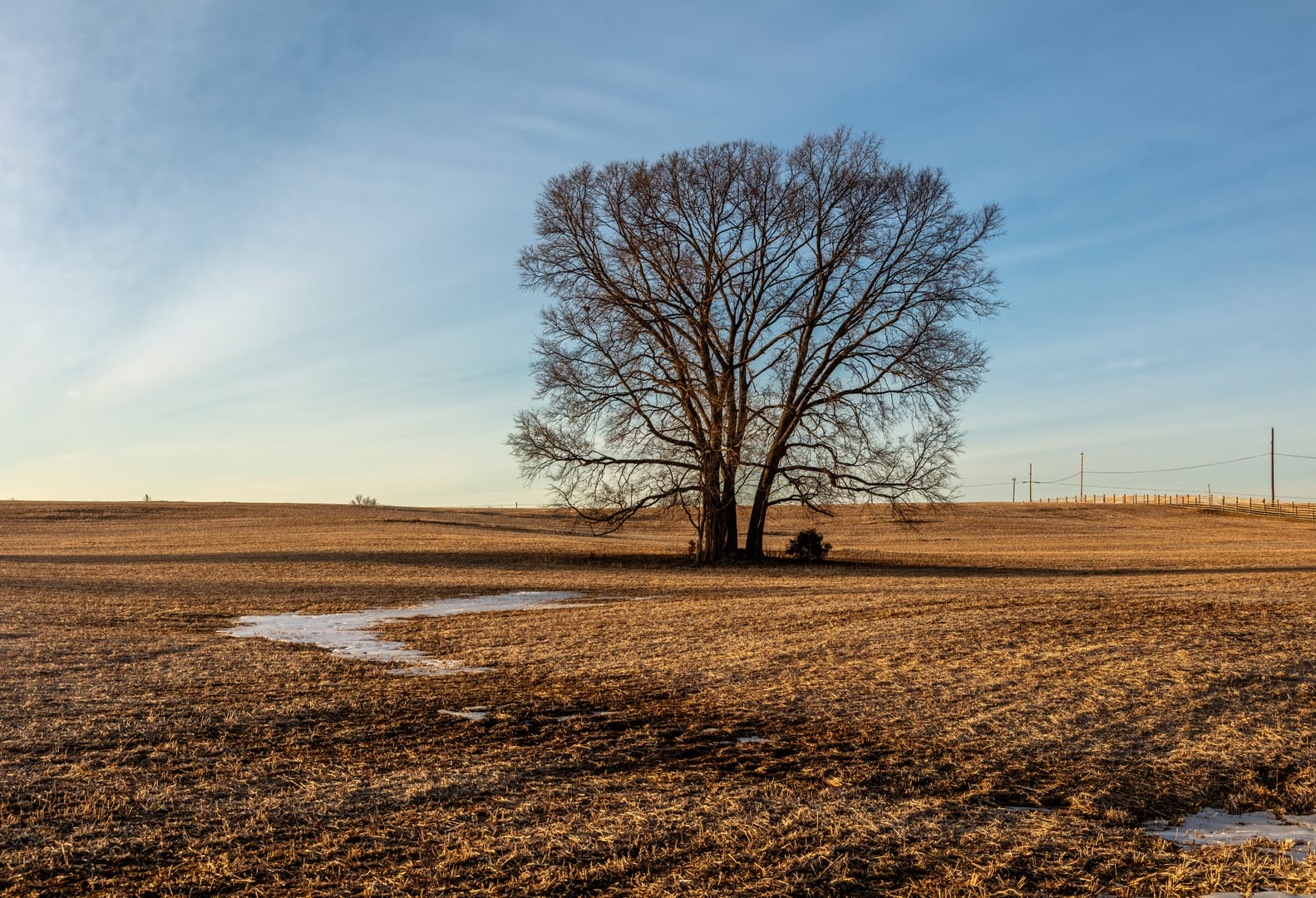
Fort Necessity National Battlefield in Fayette County, Pennsylvania, marks the site of the Battle of Fort Necessity, fought on July 3, 1754. A 22-year-old George Washington, commanding a colonial Virginia regiment, hastily constructed a small circular stockade in a rain-soaked meadow he later named the Great Meadows. French and allied Indigenous forces under Louis Coulon de Villiers attacked the position; after a daylong fight, Washington signed articles of capitulation, his only formal surrender of the war.
The engagement helped trigger the French and Indian War in North America and, by extension, the broader Seven Years' War in Europe. The site's modern interpretation centers on the reconstructed circular palisade and earthworks, the National Park Service visitor center, and the Mount Washington Tavern at 3414 National Pike.
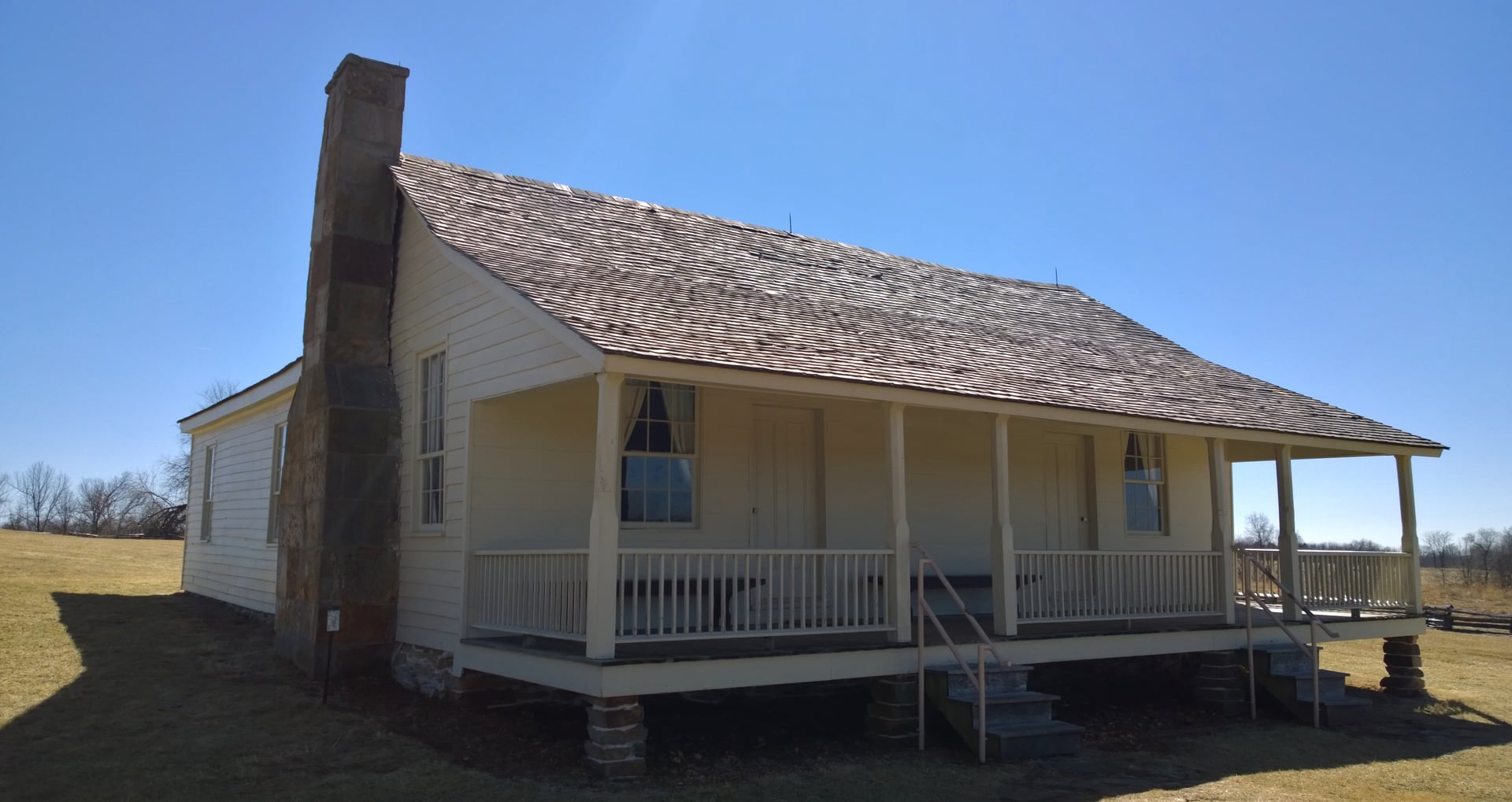
The tavern itself was constructed around the 1830s by Judge Nathaniel Ewing of Uniontown on land George Washington had purchased in 1770, and it served travelers along the National Road, the United States' first federally funded highway. It is open seasonally for self-guided tours from May through October.
Sources
- https://en.wikipedia.org/wiki/Fort_Necessity_National_Battlefield
- https://www.nps.gov/fone/learn/historyculture/mount-washington-tavern.htm
- https://www.nps.gov/fone/learn/news/legendsmwt09.htm
Phantom soundsPhantom voicesPhantom smells
The battlefield's reputation for paranormal reporting predates the modern interpretive era. Visitors and reenactors have described phantom musket fire echoing across the meadow, commands shouted in French, English, and Indigenous tongues, and the indistinct sound of marching feet. Reports cluster most strongly around the early-July anniversary of the 1754 engagement.
The Mount Washington Tavern is the focus of more sustained reporting. Park Service staff have described unattributed kitchen sounds, including the smell of cooking and the rattle of iron cookware in the empty hearth room, after closing hours. The National Park Service has published its own short essay on the tavern legends, treating them as an artifact of the building's long stagecoach-era life rather than confirmed phenomena.
The battlefield does not run a paranormal tour program. Visitors interested in the folklore should plan their visit around the daytime interpretive offerings and approach the legends as a layer of the National Road's cultural history.