Est. 1845 · 1845 Federal-style townhouse with continuous commercial use · Former tavern, brothel, and carriage house · Two documented fires (1977 and 1997); Room 16 survived both · Long-standing West Village neighborhood institution
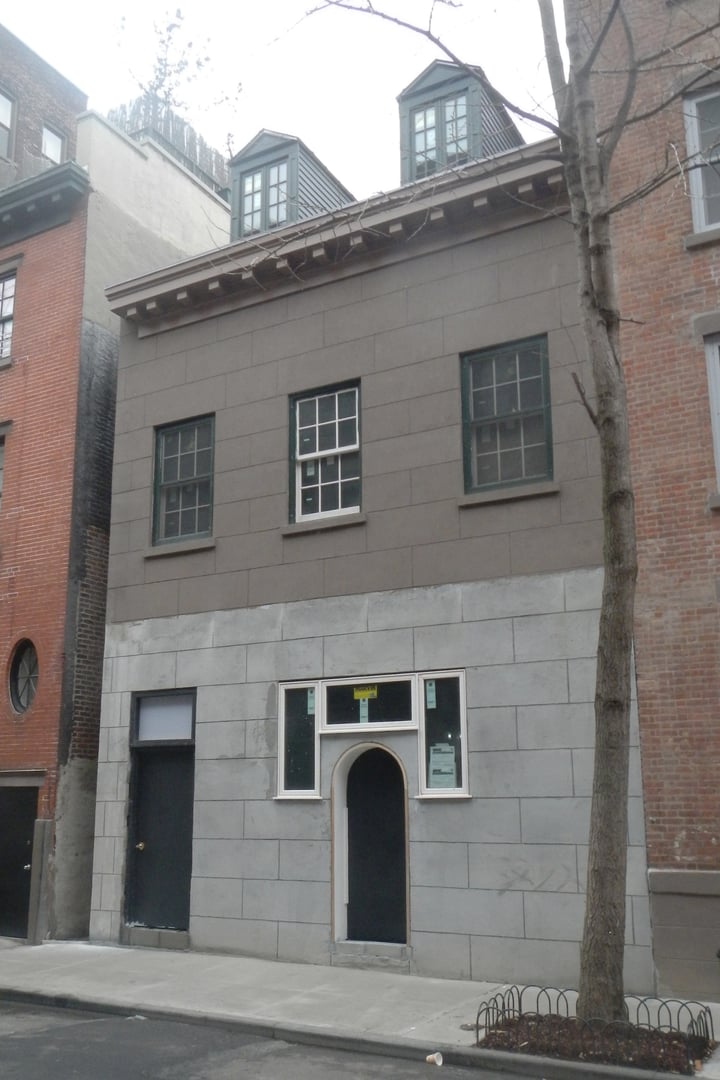
The townhouse at 16 Bank Street was built around 1845, one of the Federal-style rowhouses that defined the West Village's residential blocks during the mid-19th century. Before the Waverly Inn opened its doors, the building had functioned in a variety of commercial uses, including a period as a tavern and bordello and later as a carriage house storing the horses and vehicles of the neighborhood's wealthier families.
Ye Waverly Inn was established in the early 20th century by Clarence H. Dettmers, outfitted in a Colonial tavern style and offering home-cooked lunches and dinners at modest prices — luncheon for 65 cents and dinner for 90 cents in its early years. The restaurant developed a following in the West Village community and became a neighborhood institution.
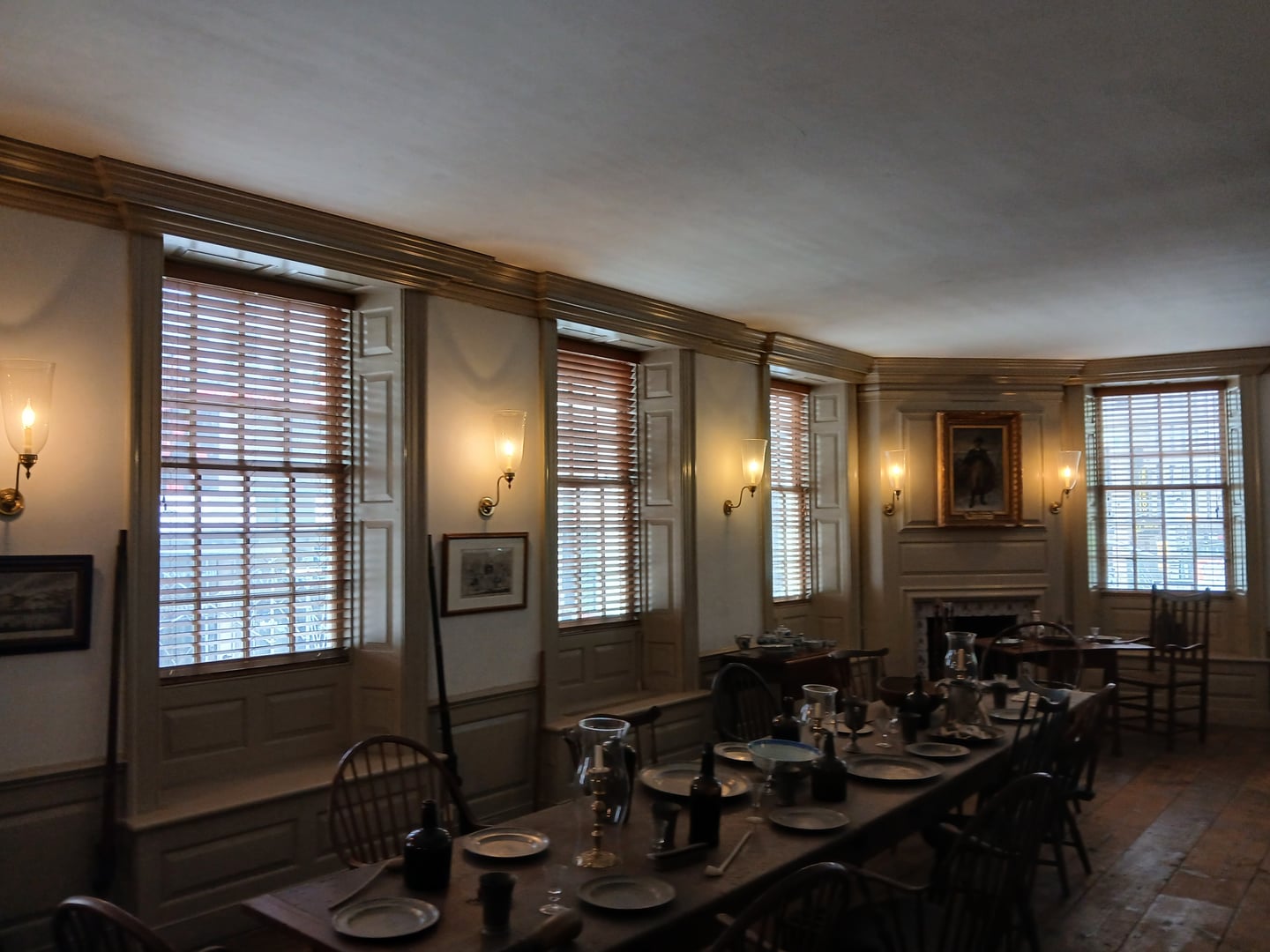
The building has experienced two notable fires. A fire in 1977 gutted much of the structure but left one room — the front smoking room, known as Room 16 — undamaged. A second fire occurred in 1997. The pattern of Room 16 surviving both fires has fed the building's ghost lore.
The Waverly Inn closed and reopened as a private celebrity-friendly supper club in the late 2000s before reverting to more conventional restaurant operation. As of 2026 it operates as a dinner and brunch restaurant at the original Bank Street address.
Sources
- https://nyghosts.com/the-waverly-inn/
- https://www.waverlynyc.com
- http://daytoninmanhattan.blogspot.com/2014/07/the-1845-no-16-bank-street.html
Male apparition in 1920s formal dress in Room 16Candles relighting after extinguishingFireplace fires rekindling after being closed for the night
The haunting account at the Waverly Inn centers on a single, consistently described figure: a man in formal attire from approximately the 1920s, seen standing or moving through Room 16, the building's front smoking room. The sightings cluster in Room 16, which is notable for being the only space in the building to survive both the 1977 and 1997 fires.
NY Ghosts and the Long Island Paranormal Investigators have both documented the Room 16 account, and both note the candle anomalies: candles that staff have extinguished for the night found burning again without explanation, and fires in the fireplaces relighting after they have been doused and closed. The 1920s figure is associated with these disturbances — the implication being that the ghost prefers the room as it was during his period.
The Waverly Inn's ghost legend is frequently confused in online roundups with the Aaron Burr/Theodosia Burr legend, which actually belongs to One If by Land, Two If by Sea, a restaurant at 17 Barrow Street. That building was a carriage house associated with Burr in the 1790s; his ghost reportedly moves plates, while Theodosia (who vanished at sea in 1813) reportedly pulls earrings. This confusion appears frequently in aggregator articles and should be treated as misattribution.
The Waverly Inn's own ghost has no identified historical person attached to it. The 1920s dress is the only descriptor. The building's early history as a brothel has led some accounts to suggest a Gilded Age or Prohibition-era figure, but no name has been attached.
Notable Entities
Unnamed 1920s male figure (consistent description; no historical identity confirmed)
Where this legend is told