Est. 1868 · One of New York City's oldest continuously operating bars (est. 1868) · Operated as a speakeasy during Prohibition on the third floor · Associated with the Hell's Kitchen Westies gang in the 1980s · Original 1868 mahogany bar and pressed-tin ceilings survive
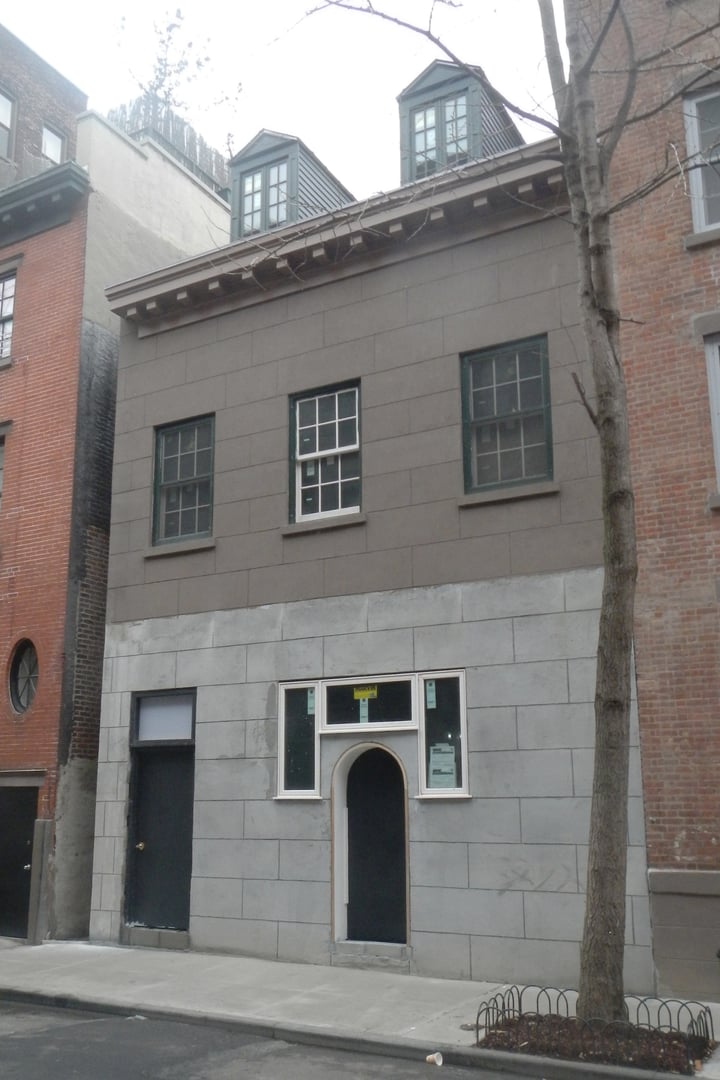
In 1868, Irish immigrant Patrick Henry Carley opened his saloon at the corner of what is now 11th Avenue and West 46th Street in the neighborhood that would later be called Hell's Kitchen. At the time, the Hudson River was one block west—12th Avenue didn't yet exist—and the clientele was largely dockworkers and merchant seamen from the Irish immigrant community that filled the surrounding blocks.
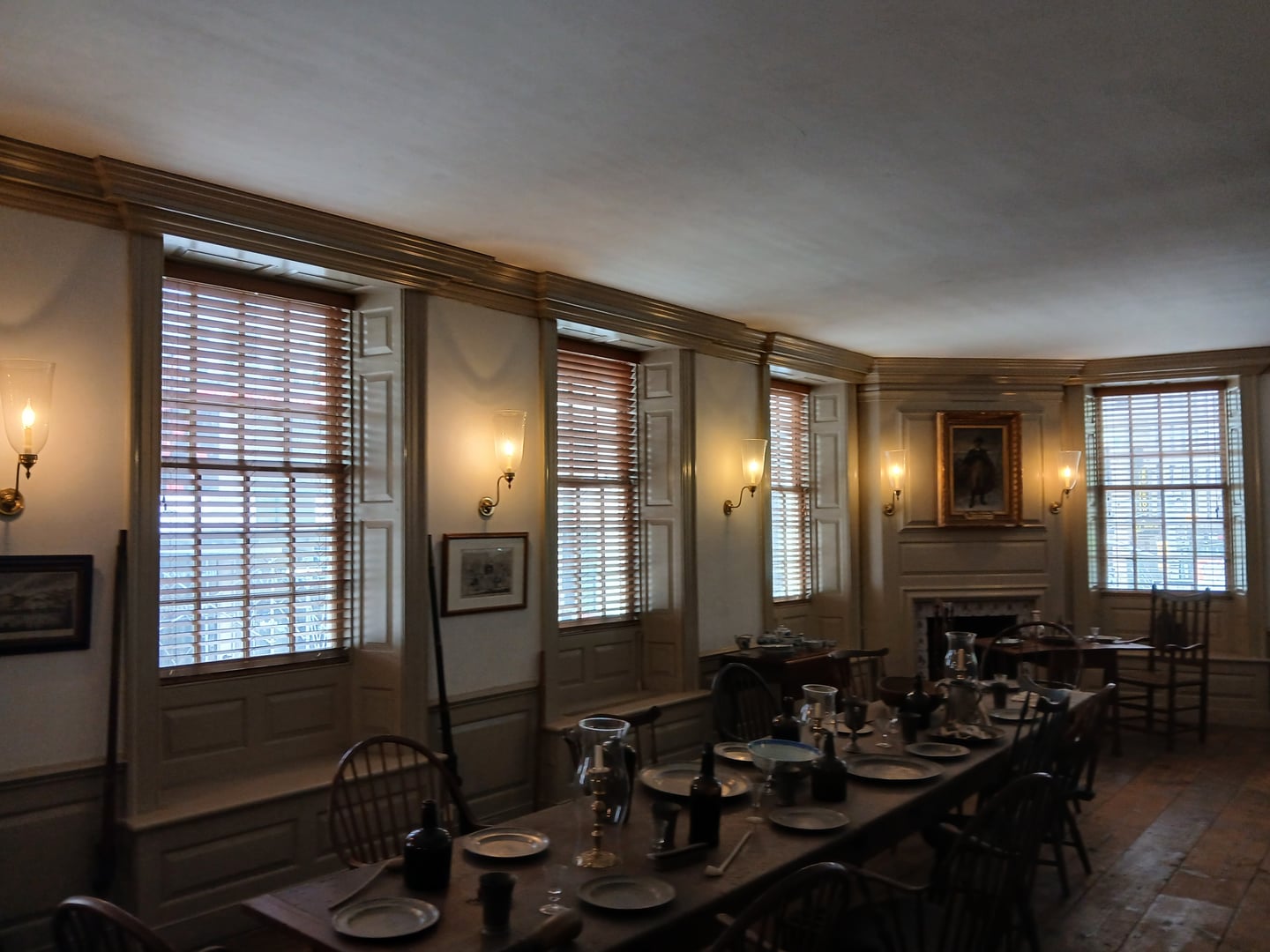
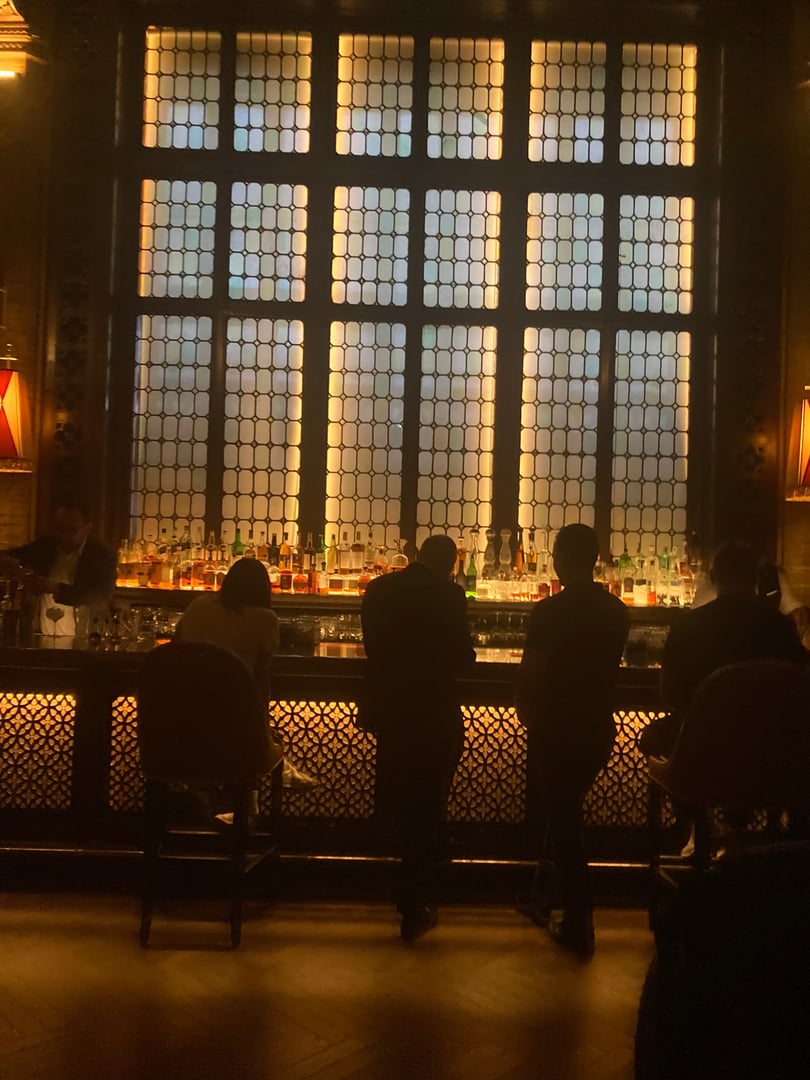
The building's residential upper floors gave it a character distinct from a simple saloon. During Prohibition (1920-1933), when the rest of the first-floor bar went dry by law, management turned the third floor into a speakeasy. The building survived that era intact, along with its original mahogany bar, pressed-tin ceilings, and a cast-iron fireplace. A claw-foot bathtub remains on the second floor, which figures prominently in the tavern's ghost lore.
By the 1980s, as Hell's Kitchen was still rough-edged and the Westies—a notorious Irish-American gang from the neighborhood—were active, the Landmark became associated with that world. Its clientele has since shifted entirely, and today it operates as a well-regarded Hell's Kitchen restaurant known for its American menu and Irish-pub atmosphere.
The tavern has operated continuously since 1868, making it one of the oldest surviving saloons in New York City. The original bar and period details are intact. A 2000 New York magazine account and a 2007 New York Times piece by John Strausbaugh both document the ghost stories that have long circulated among staff.
Sources
- https://ephemeralnewyork.wordpress.com/2013/09/26/the-ghosts-that-haunt-a-hells-kitchen-tavern/
- https://thelandmarktavern.com/new-york-hell-s-kitchen-landmark-tavern-about
Apparition of Confederate soldier near the barPresence of a young Irish girl on the third floorSensed presence of George Raft near the mahogany bar
The Landmark Tavern's three ghosts were catalogued in a 2000 New York magazine account and documented again by John Strausbaugh in a 2007 New York Times piece, giving the lore some grounding in identifiable sources.
The most viscerally specific is the Confederate soldier: during or shortly after the Civil War, a Southern man was reportedly knifed in a barroom fight and staggered to the second floor, where he died in the claw-foot bathtub that is still present in the building. His ghost, according to staff and patrons who have reported encounters, haunts the bar area.
The second figure is a young Irish girl described as having arrived in New York during the potato famine era. The New York magazine account records she died of cholera; other versions say typhoid. She is said to wander the third floor, apparently unaware that the building is no longer her home.
The third is George Raft—the Hollywood actor best known for his roles in gangster films, who grew up in the Hell's Kitchen neighborhood before his career took him to Los Angeles. Raft died in 1980. Staff have reportedly sensed his presence near the original mahogany bar.
No paranormal investigators appear to have conducted formal investigations at the tavern, and the accounts are primarily anecdotal, passed through magazine and newspaper coverage rather than first-person testimony from named witnesses.
Notable Entities
Confederate soldier (unnamed)Irish immigrant girl (unnamed)George Raft (actor, Hell's Kitchen native, 1901-1980)
Where this legend is told