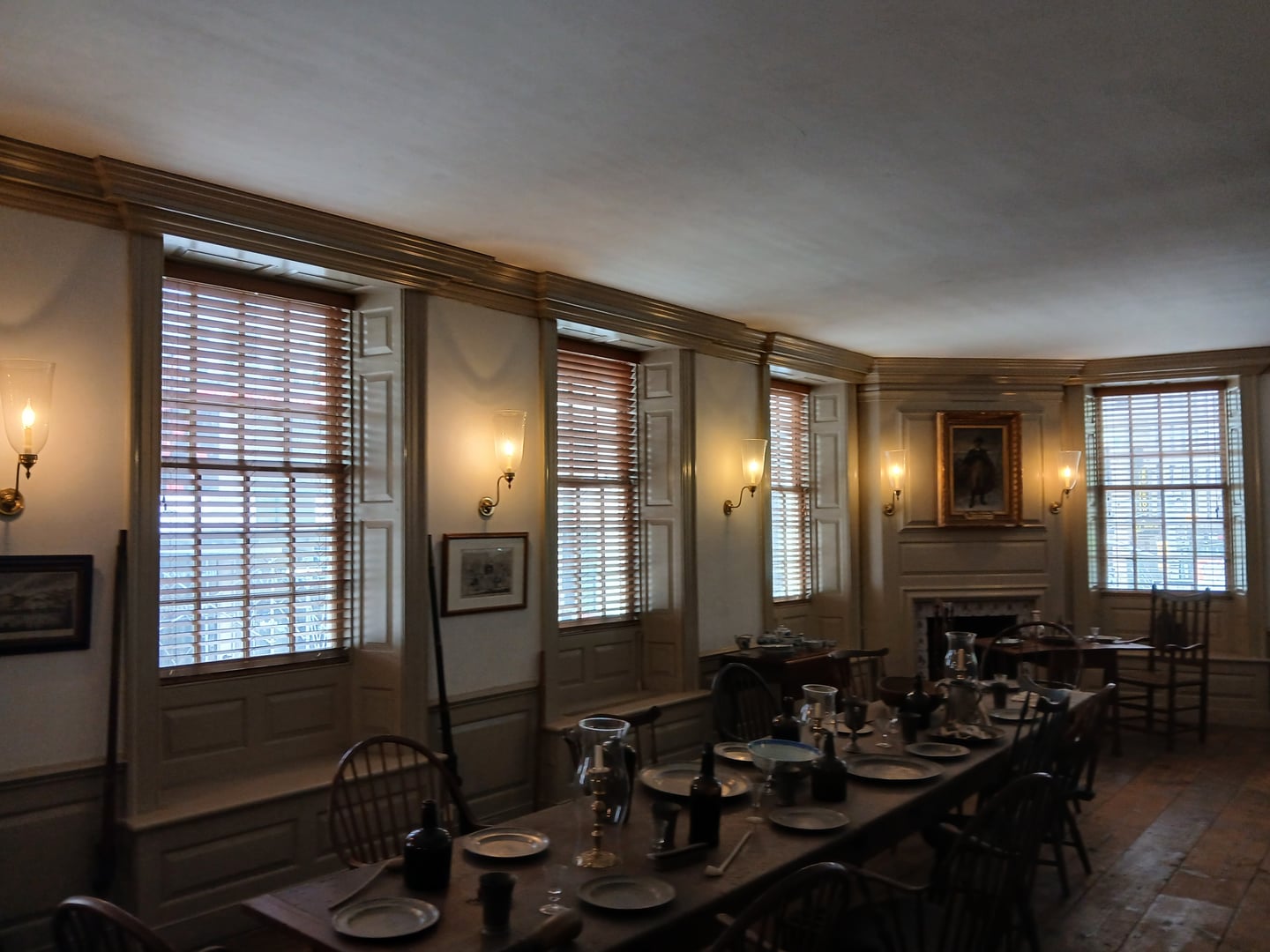
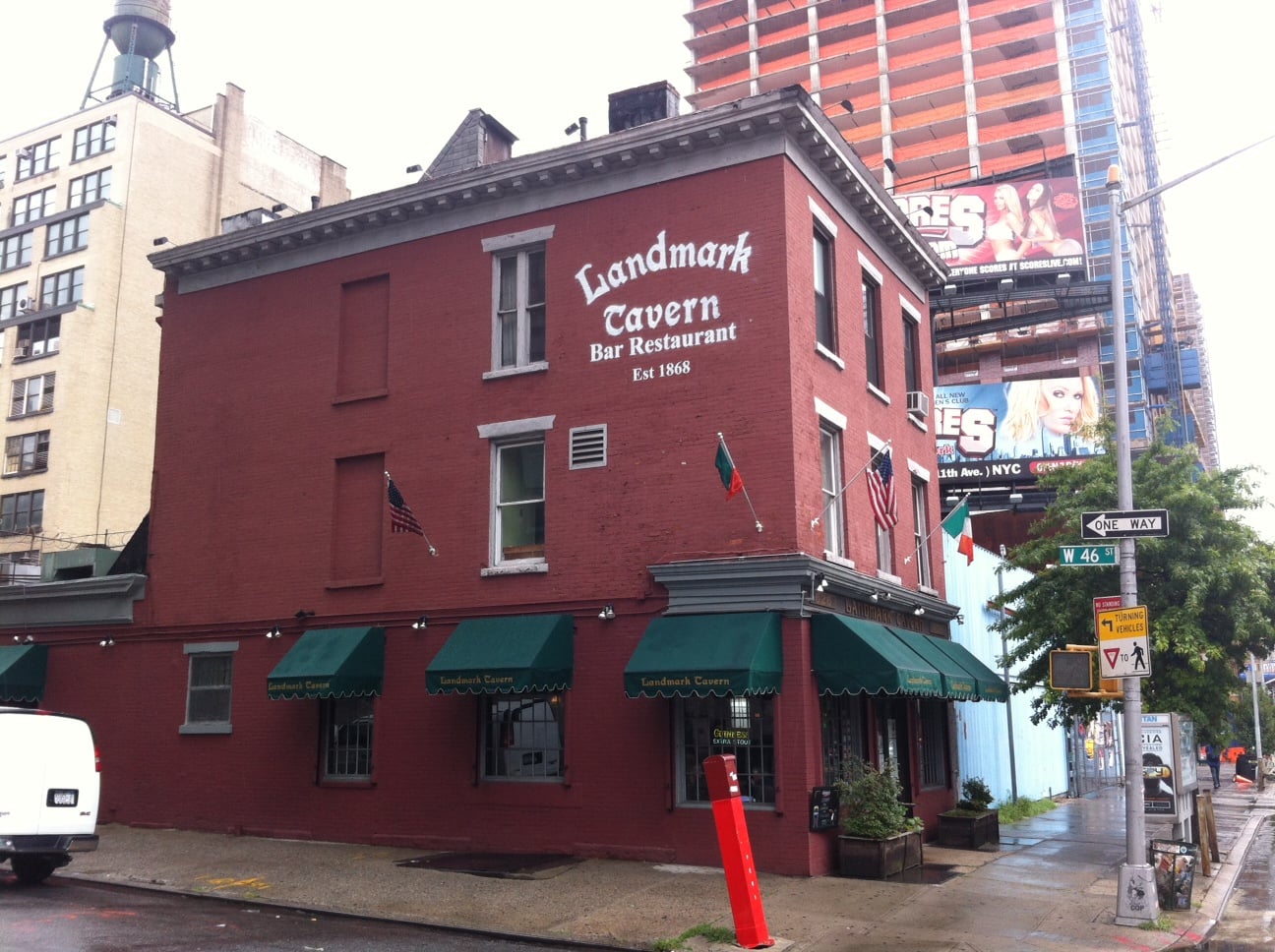
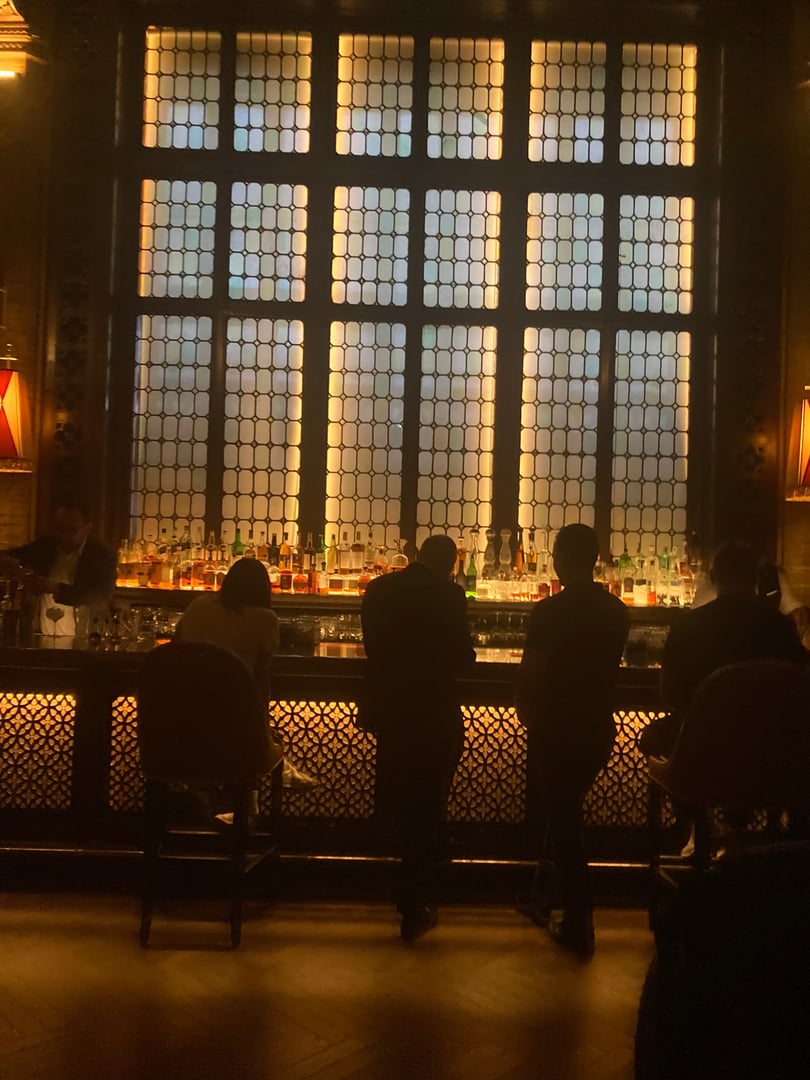
Est. 1831 · Prohibition-era speakeasy, 1922–1933, with two unmarked entrances · Frequented by Hemingway, Fitzgerald, Faulkner, Steinbeck, O'Neill, and dozens of other writers · Possible origin of the slang term 'eighty-six' · Plaque installed 2000 commemorating literary history
The building at 86 Bedford Street dates to 1831, originally constructed as a blacksmith's shop. Leland Stanford Chumley — a socialist activist and self-described radical — leased the space in 1922 and converted it into a Prohibition-era drinking establishment with two unmarked entrances: the main door on Bedford Street, identified only by street number, and a secondary entrance through a courtyard on Barrow Street. There was no sign. When police called ahead, staff would tell customers to 'eighty-six' themselves — exit via the 86 Bedford door — a phrase that may be the origin of the slang term.
A plaque placed in 2000 noted the bar had been 'a celebrated haven frequented by poets, novelists and playwrights' including Willa Cather, E.E. Cummings, Eugene O'Neill, William Faulkner, John Steinbeck, Edna St. Vincent Millay, who reportedly worked there as a bartender, F. Scott Fitzgerald, Ernest Hemingway, Jack Kerouac, and others. The photographs and book jackets of former patrons covered the walls.
Leland Chumley died of a heart attack in 1935. His wife Henrietta took over the bar and ran it until 1960, when she died in her sleep — accounts describe her at her usual table by the fireplace. The bar continued under other management after her death. On April 5, 2007, a chimney collapse forced closure and damaged adjacent buildings. After nine years of renovation, the bar reopened in October 2016 as a reservations-only dinner restaurant under new ownership. It closed permanently in July 2020. The space was briefly occupied by Frog Club (2024) and is currently operating as The Eighty Six steakhouse.
Sources
- https://en.wikipedia.org/wiki/Chumley%27s
- https://www.untappedcities.com/the-top-10-secrets-of-chumleys-the-greenwich-village-speakeasy-from-1922/
Glasses knocked from shelves without apparent causePartially consumed drinks disappearingJukebox playing while unpluggedPresence sensed at the booth near the fireplace
After Leland Chumley's death in 1935, his wife Henrietta took over the bar and became a fixture there until her death in 1960. By most accounts she spent her evenings drinking Manhattans at a table near the fireplace; she died there in her sleep, alone at the booth. Whether this is precisely accurate or has accumulated embellishment over decades of retelling is difficult to verify, but the claim is consistent across multiple sources covering the bar's ghost lore.
The haunting attributed to Henrietta is domestic and consistent: glasses knocked from shelves with no one nearby, drinks left on tables found emptied or moved, and the bar's jukebox playing when it was not plugged in. These accounts were collected by tour operators and paranormal researchers over the decades the bar was in operation. The specific location given for most activity is the booth where Henrietta died.
Borough of the Dead, a New York ghost tour company, has included Henrietta Chumley on its Greenwich Village women's history tours, situating her story within the broader history of women who have become ghost legends in the neighborhood. The persistent ghost tradition may owe something to the bar's literary celebrity — a place frequented by writers is predisposed to generating narrative — but the Henrietta accounts predate the bar's literary reputation becoming a tourist attraction.
Notable Entities
Henrietta Chumley (died 1960; co-owner and operator of Chumley's; died at her usual table)
Where this legend is told