Est. 1864 · Union prisoner of war camp with nearly 25% mortality rate in a single year, 1864-1865 · 2,973 Confederate dead interred at Woodlawn National Cemetery · John W. Jones, formerly enslaved, kept meticulous burial records for all Confederate dead · Site of partial stockade reconstruction and outdoor museum maintained by Elmira Civil War Round Table
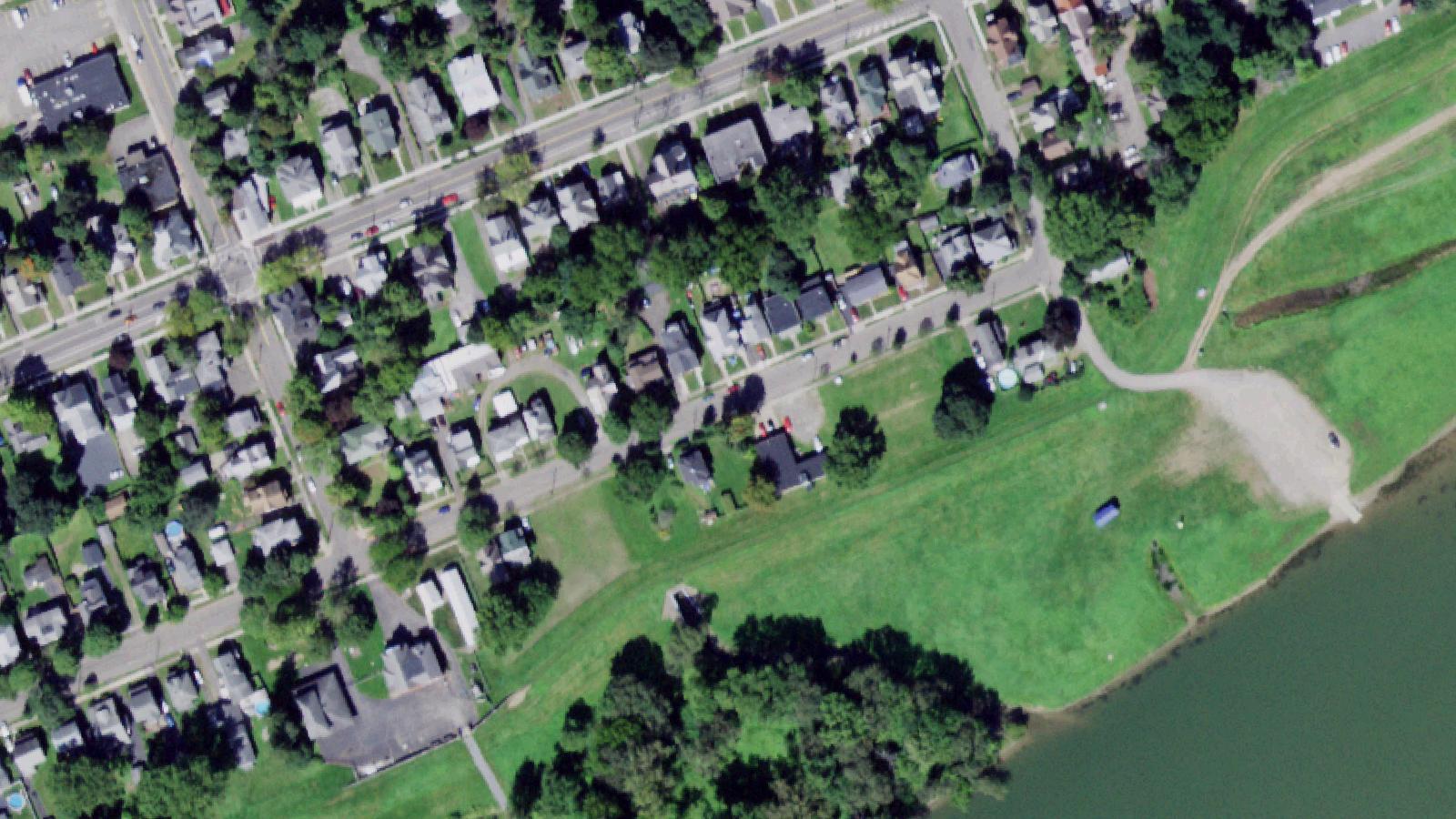
The Union Army converted the existing Barracks No. 3 military training camp at Elmira into a prisoner of war facility in July 1864, rapidly flooding it with Confederate captives at a rate that outpaced any reasonable preparation. The original camp was designed for 5,000 men; by August 1864 it held over 9,600. The site sat on a flood-prone section along the Chemung River, and a stagnant pond at the camp's center — Foster's Pond — became an open sewer receiving the drainage from the overcrowded barracks.
The combination of overcrowding, the contaminated pond, inadequate shelter for the upstate New York winter, and ration levels that fell below even the Army's own regulations produced catastrophic mortality. Scurvy, dysentery, and pneumonia moved through the population with little medical intervention available or authorized. Prisoners who survived the winter documented temperatures dropping to 30 degrees below zero Fahrenheit in the unheated barracks. The death rate across the camp's one year of operation approached 25 percent — 2,973 men died at or because of Elmira, compared to the roughly 12,123 who passed through.
John W. Jones, a formerly enslaved man who had escaped from Virginia via the Underground Railroad and settled in Elmira, served as sexton of Woodlawn National Cemetery. Jones personally recorded the identity, unit, and burial location of every Confederate prisoner who died at the camp, maintaining meticulous records at a time when Union policy provided no formal mechanism for doing so. His records allowed families to eventually locate the graves of 2,973 men. Jones is buried at Woodlawn himself.
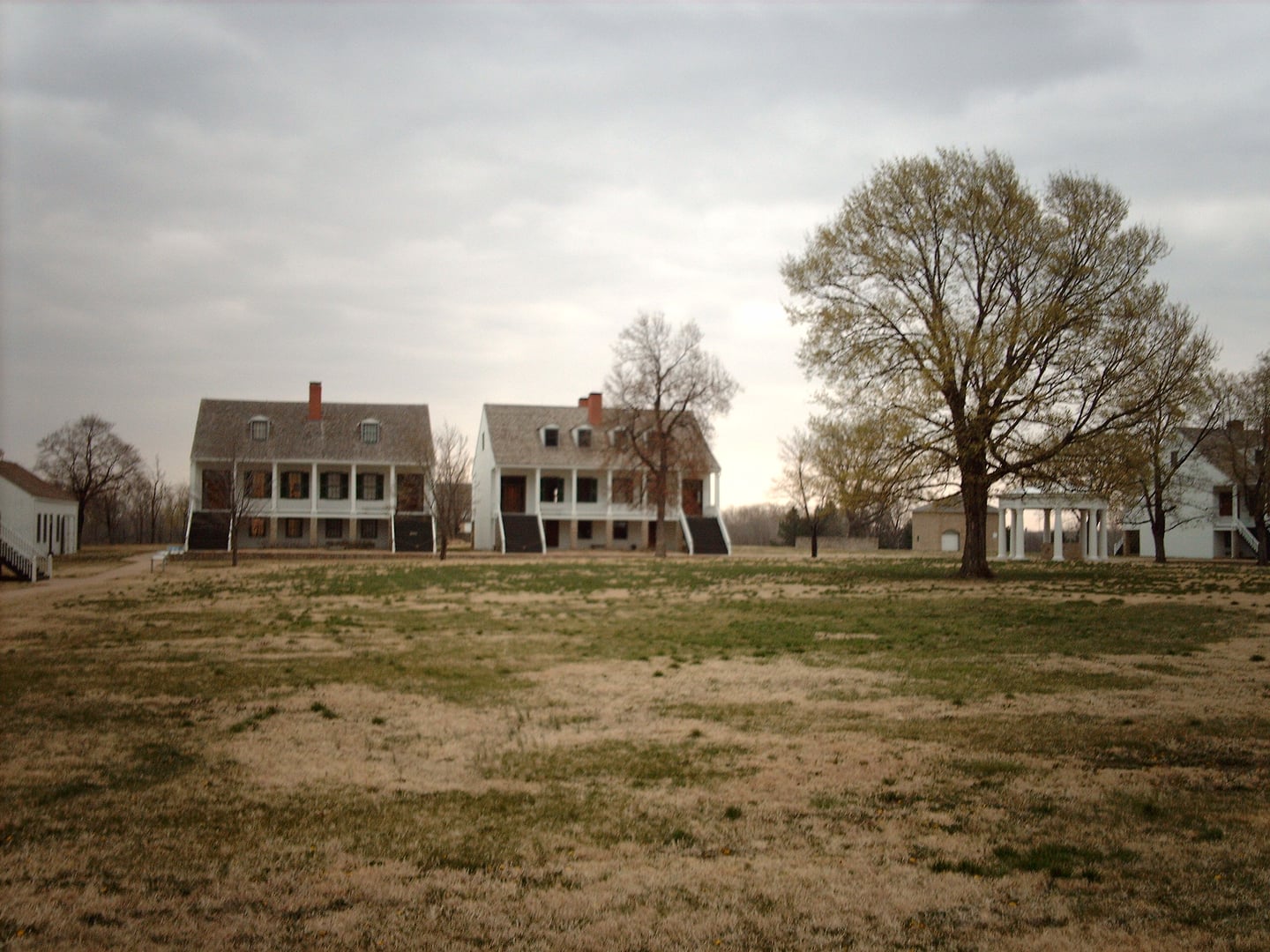
The surviving prisoners named the camp 'Hellmira.' The site today preserves a partial stockade and barracks reconstruction on the Winsor Avenue footprint, maintained by the Elmira Civil War Round Table. A visitor center is under development. The Confederate dead remain in Woodlawn National Cemetery, organized in the numbered rows Jones documented.
Sources
- https://en.wikipedia.org/wiki/Elmira_Prison
- https://elmiracivilwar.org/
- https://www.atlasobscura.com/places/hellmira-monument
Ghost lights near the original camp footprint after darkDisembodied whispers and voices near the stockade reconstructionSounds of crying or groaning at the site perimeterCold spots at Woodlawn National Cemetery Confederate sectionFigure in period dress observed near Confederate burial rows
The Elmira Prison Camp's haunted reputation grows directly from its documented history. Nearly 3,000 men died within the camp's 40 acres in a single year — from disease, starvation, and exposure — and the intensity of suffering recorded in survivor accounts creates a site that dark-history visitors have treated as inherently significant for generations.
Regional paranormal accounts, circulating since at least the early 2000s through local ghost lore and prison camp history sites, describe ghost lights seen hovering near the original camp footprint after dark — described variously as orbs or moving points of pale light with no identifiable source. Investigators and casual visitors report disembodied whispers or voices, particularly near the partial stockade reconstruction, and what some describe as faint sounds of crying or groaning at the site perimeter after dark.
Woodlawn National Cemetery, where the 2,973 Confederate dead are buried in the rows John W. Jones recorded, generates its own accounts: cold spots, a persistent feeling of being observed while walking the Confederate section, and at least one published account of a figure in period dress seen near the burial rows at dusk and gone when approached. The cemetery accounts circulate in regional paranormal media and in a 2024 book titled HELLmira that documents hauntings and sightings in the area. The claims are not independently verified by journalism or systematic investigation.
Where this legend is told