Est. 1734 · French Fort St. Frederic, 1734–1759, southern anchor of New France · His Majesty's Fort at Crown Point, 1759, largest British fortification in North America at time of construction · Revolutionary War hospital camp, smallpox epidemic 1775–76 killed an estimated 3,000 Continental soldiers · No graves from the epidemic have ever been located despite extensive excavation · National Historic Landmark
The point of land extending into Lake Champlain at Crown Point controlled passage between New France and the British colonies, making it one of the most contested geographic positions in 18th-century North America. French forces began construction of Fort St. Frederic in 1734, completing a substantial stone fortification that anchored the southern boundary of French Canada for two decades.
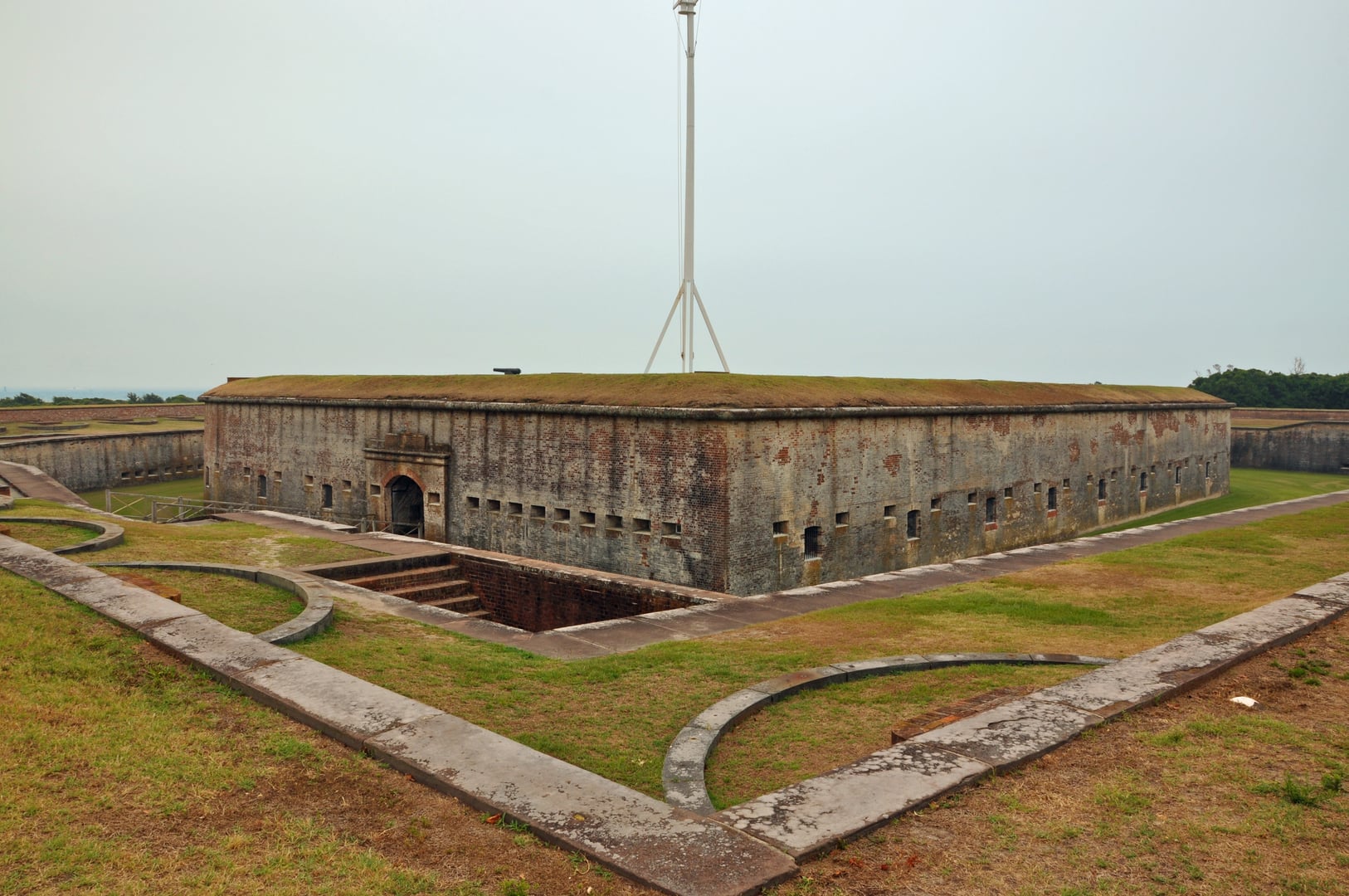
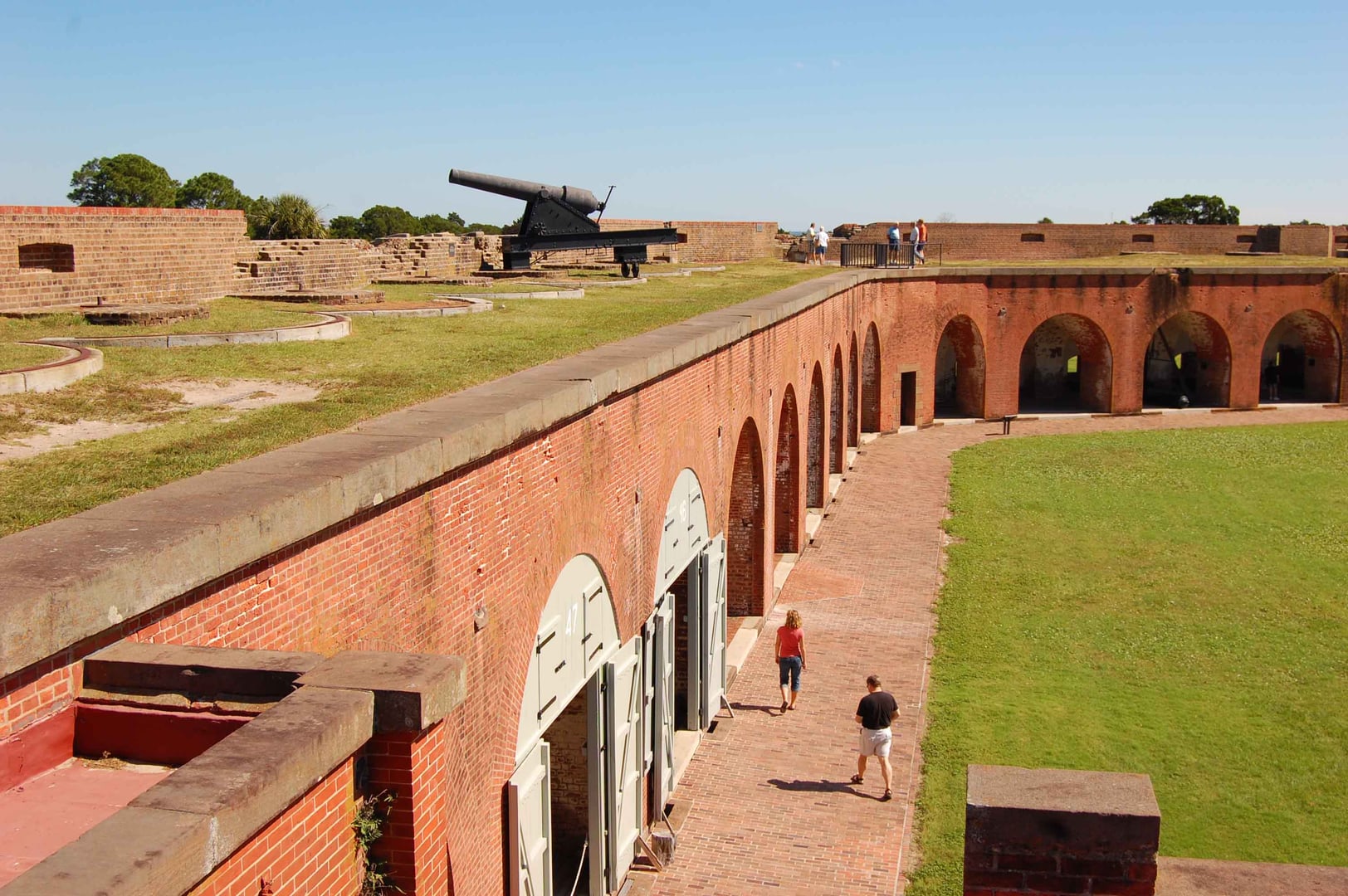
British forces under General Jeffrey Amherst captured and demolished Fort St. Frederic in 1759, then immediately began constructing a far larger replacement, His Majesty's Fort at Crown Point, on the same peninsula. At the time of construction, it was the largest British fortification on the continent. The fort never faced a serious military assault — a magazine explosion in 1773 caused a catastrophic fire that gutted much of the interior, and British forces withdrew before the Revolution.
In 1775, American forces captured both Crown Point and Fort Ticonderoga in rapid succession, establishing the northern front of the Revolution. The following winter, 1775–76, the site became a staging area and hospital camp for American forces retreating from the failed Canadian invasion. A smallpox epidemic tore through the encampment. Contemporary accounts describe men dying at rates of 15 to 20 per day; one officer, William Scudder, recorded seeing 21 bodies carried out simultaneously. Estimates place total deaths in the thousands.
Here the history produces its most unsettling gap: despite intensive archaeological excavation since the 1950s and detailed parish records that should indicate burial locations, no human remains from the epidemic period have been found at the site. Catholic burial practices, combined with the scale of mortality, should have left identifiable evidence. The absence remains unexplained.
New York State acquired the property in the late 19th century. The site is managed as a New York State Historic Site within the state parks system.
Sources
- https://nystateparks.blog/2021/10/26/mysteries-at-crown-point/
- https://en.wikipedia.org/wiki/Crown_Point_State_Historic_Site
- https://parks.ny.gov/visit/historic-sites/crown-point-state-historic-site
- https://www.adirondacklife.com/2022/10/17/spooky-spots-around-the-adirondacks/
Shadowy figures on the parade grounds at duskUnexplained sounds that follow visitors through the ruinsFrench colonial werewolf legend from the Fort St. Frederic period3,000 estimated epidemic dead with no recoverable archaeological trace
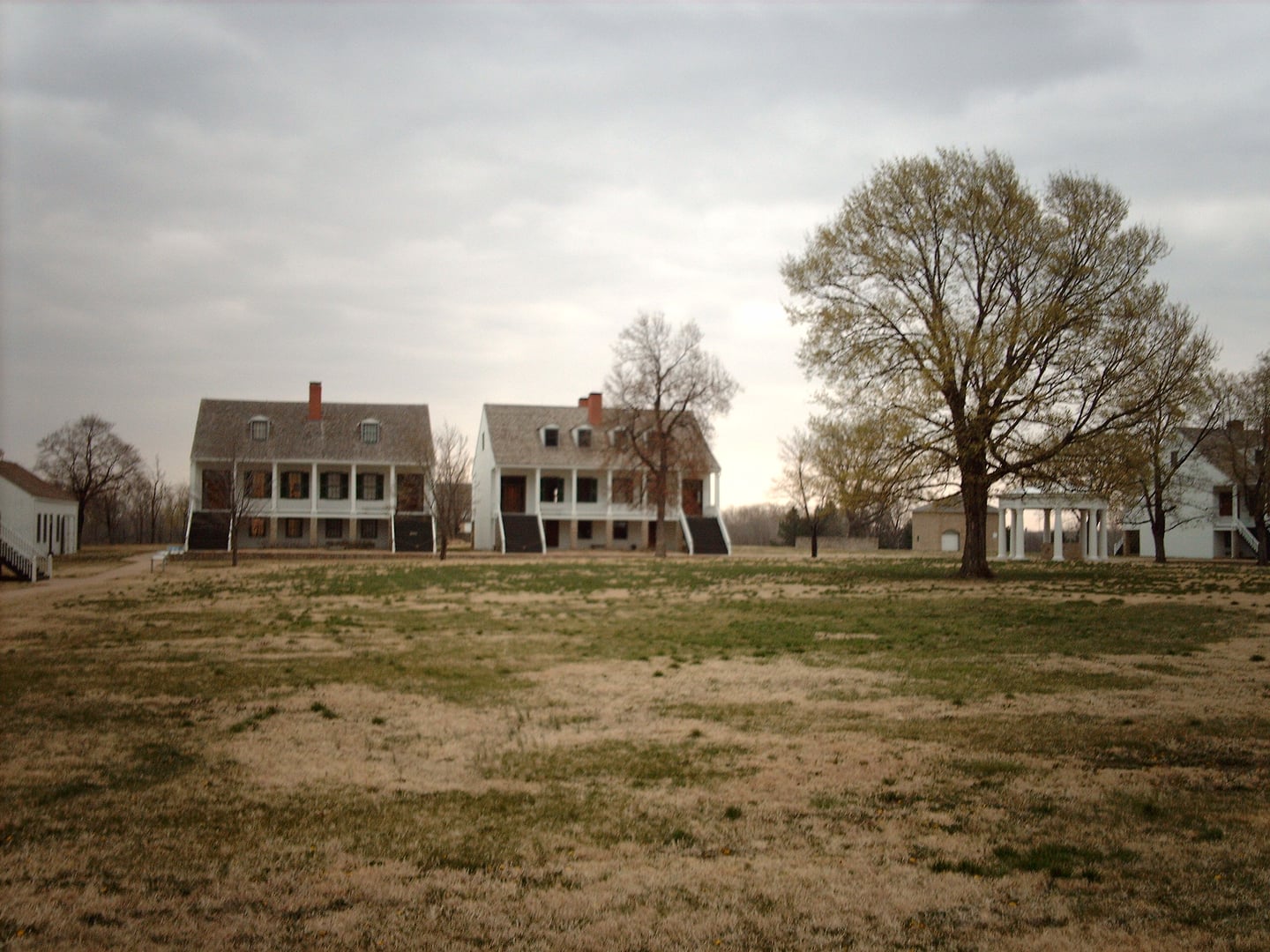
The paranormal claims at Crown Point tend to cluster around the parade grounds and the barracks ruins. Visitors have described shadowy figures appearing at dusk in the open ground between the fortifications, and sounds — described variously as footsteps or dragging — that seem to track people who try to move away from them.
The colonial French occupation left one of the stranger pieces of local folklore: a werewolf legend, documented in period accounts, associated with the area around the fort. The legend has been connected to a specific individual in some versions, though the original source material is unclear. It appears in NYS Parks' own historical interpretation of the site.
The most historically grounded element of the haunting narrative is the missing mass grave. The 1775–76 smallpox epidemic killed an estimated 3,000 Continental soldiers at or near Crown Point — a scale that, given 18th-century burial practices, should be archaeologically visible. Extensive excavation since the 1950s has recovered artifacts but no human remains. The NYS Parks system itself has noted the absence as unexplained.
The Haunted Histories at the Forts program, offered most years in late October, uses costumed interpreters in 18th-century dress to walk visitors through the ruins by twilight. The program presents documented historical accounts alongside the folklore, drawing the line explicitly between the two.
Where this legend is told