Est. 1876 · Cape May Historic District · Victorian Commercial Architecture · Resort-Era Social History
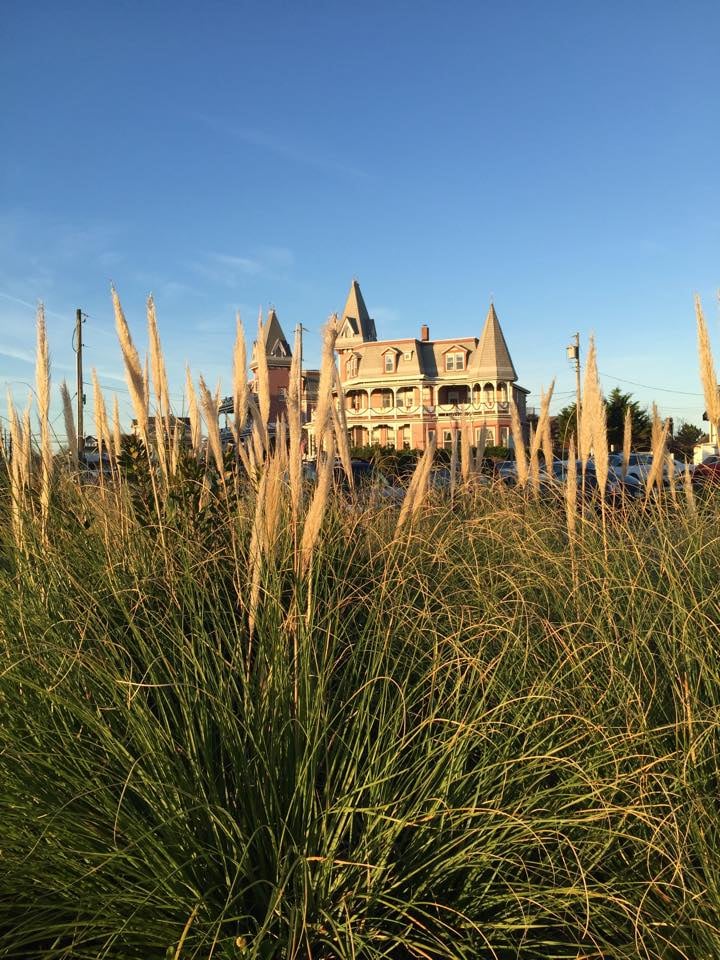
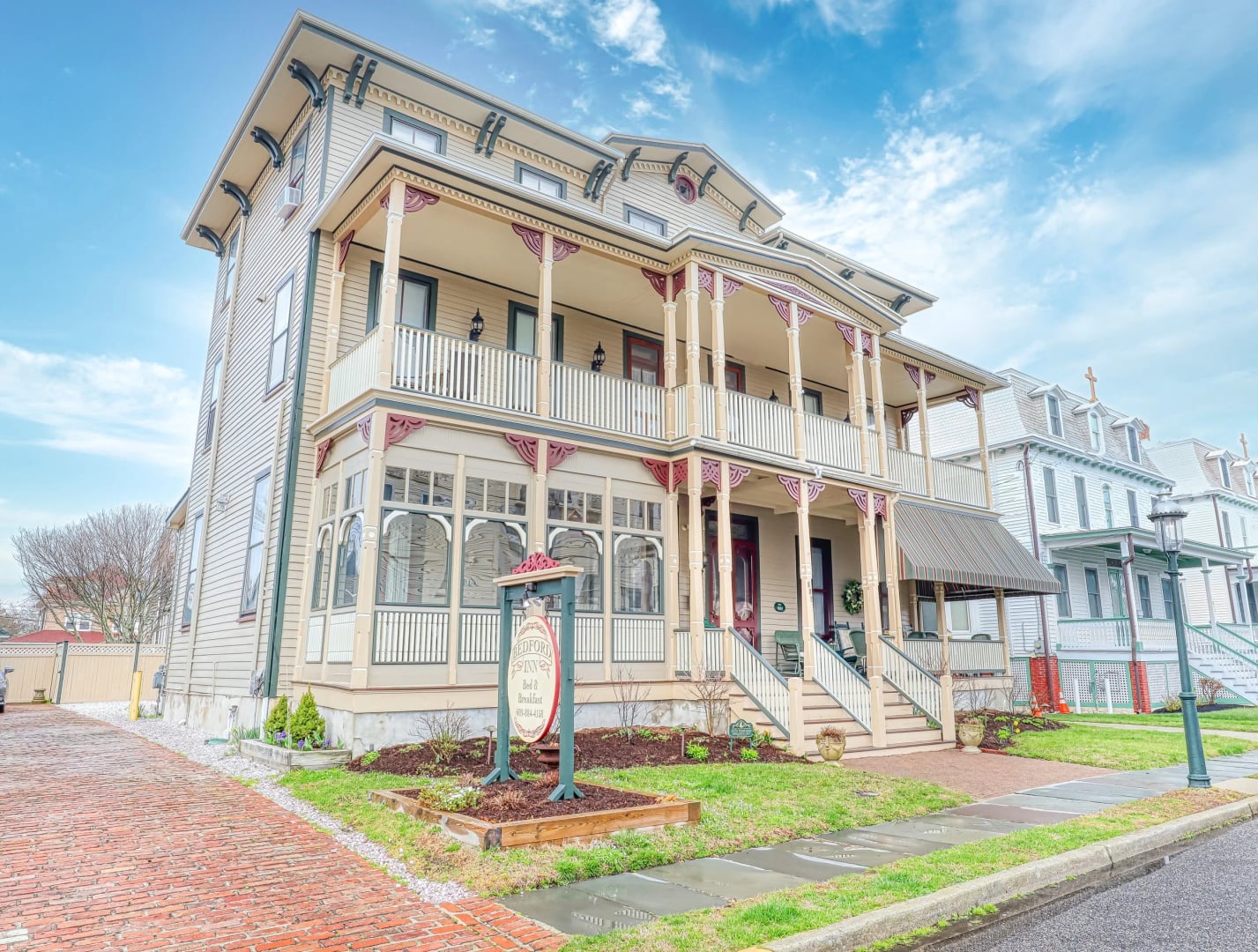
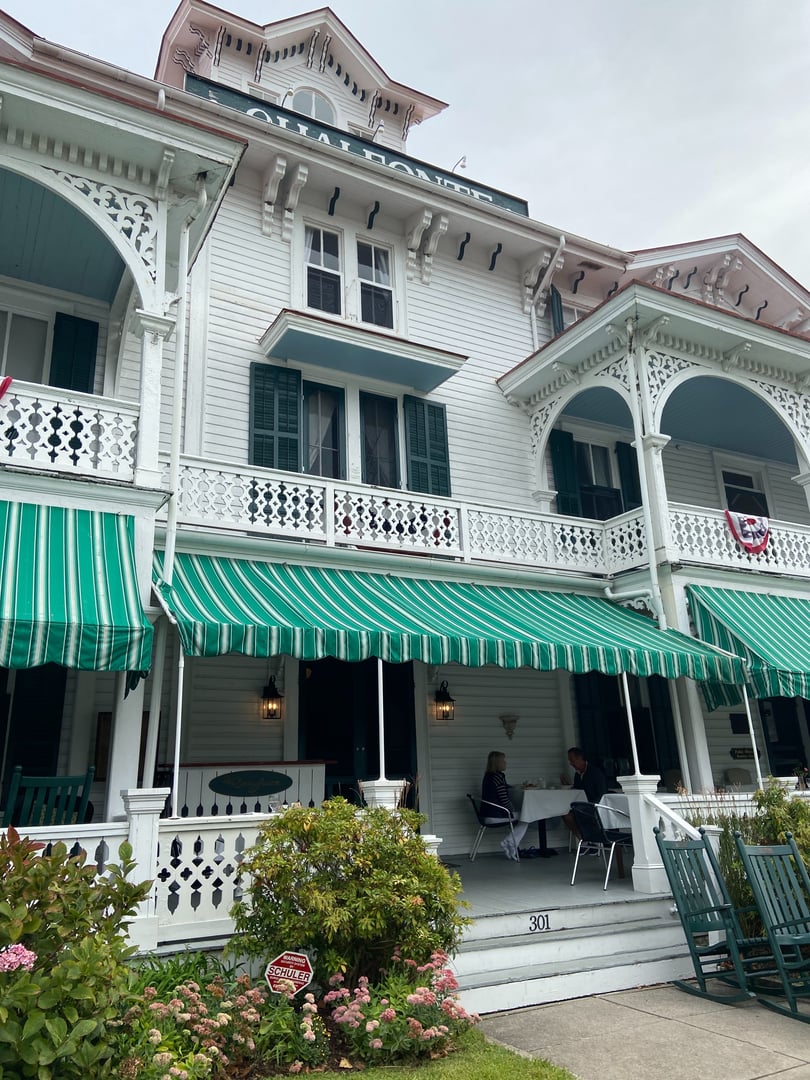
The structure at 601 Columbia Avenue was built in 1876, the same period that produced much of Cape May's surviving Victorian building stock in the years after the 1878 fire. Its original ground-floor function was commercial: a pharmacy serving the resort community. The upper floors, however, were organized differently.
Historical accounts recorded by local researchers and paranormal investigators indicate that the building's upper floors housed a gambling den on the second floor and a brothel on the third. The women who worked on the third floor lived in the building, and it is their presence that local lore associates with the Queen's Hotel's reported haunting.
Cape May's Victorian resort economy was complicated — the town attracted wealthy families from Philadelphia and Baltimore seeking respectable summer retreats, but also sustained the underground economy that resort towns have historically required. The pharmacy-and-brothel combination under one roof was not unusual for late Victorian commercial buildings in resort communities.
The building is now a boutique bed and breakfast operating within Cape May's National Historic Landmark district. Grunge's independent reporting on Cape May's paranormal history documents the gambling den and brothel history alongside the current haunting accounts.
Sources
- https://www.grunge.com/1174338/the-hauntings-of-cape-may-americas-first-seaside-resort/
- https://www.hauntworld.com/haunted-hotel-in-cape-may-new-jersey-queen-s-hotel-in-cape-may-new-jersey
- https://thishauntedplace.com/queens-hotel/
Furniture moving without causeImpression of unseen presence on beds (Plum Room)Smell of perfume without sourceThird-floor corridor activity
The paranormal activity at the Queen's Hotel is concentrated on the third floor — specifically in the room called the Plum Room, which local tradition identifies as a former sex worker's space during the brothel era of the late nineteenth century.
Guests in the Plum Room have reported furniture moving without apparent cause. A more distinctive phenomenon is the sensation of something striking or sitting on the bed — the impression of an unseen presence exerting physical weight or force, which differs from standard auditory or visual reports. The smell of perfume, with no identifiable source, is reported in the same room and in the third-floor corridor.
Hauntworld's documentation of the Queen's Hotel attributes the haunting to the women who lived on the third floor during the brothel period — not to violence or tragedy but to occupancy: women who spent significant portions of their lives in that space leaving something behind. The framing is consistent across multiple sources.
Grunge's 2022 article on Cape May's haunted locations reports the Queen's Hotel gambling den and brothel history independently, placing the paranormal accounts in the context of the building's layered social history rather than treating them as isolated ghost stories.
Where this legend is told