Est. 1883 · Cape May National Historic Landmark District · Victorian Resort Architecture · Charles Page Family Vacation Home
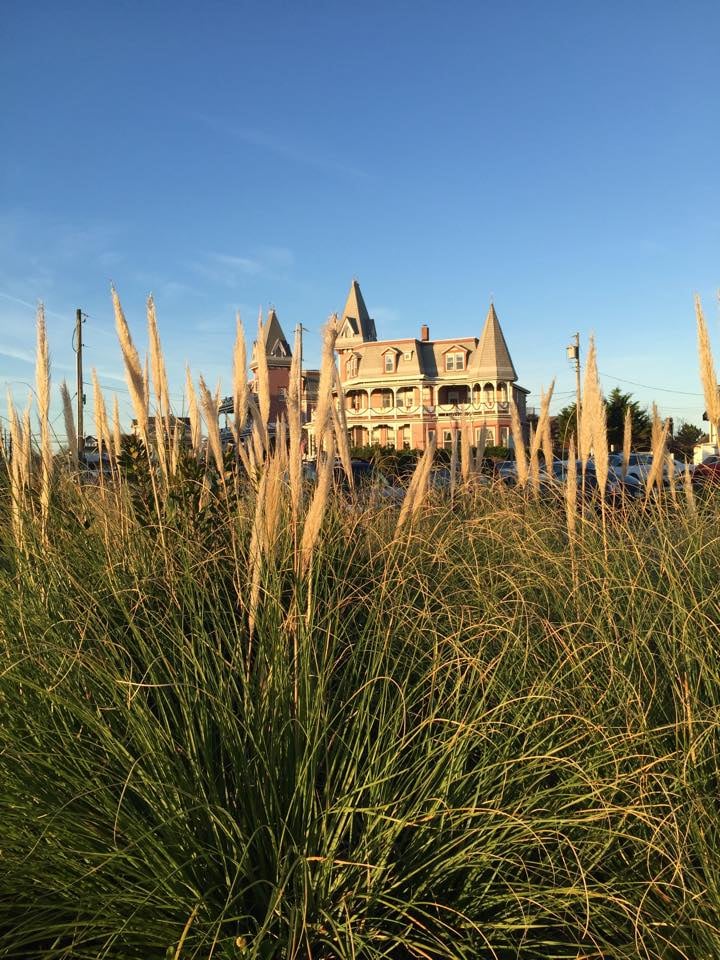
Cape May's Victorian architecture dates largely from the 1880s and 1890s, after the 1878 fire that leveled much of the earlier resort district forced a rapid rebuild. The resulting concentration of Victorian structures, largely intact today, earned the town its National Historic Landmark designation.
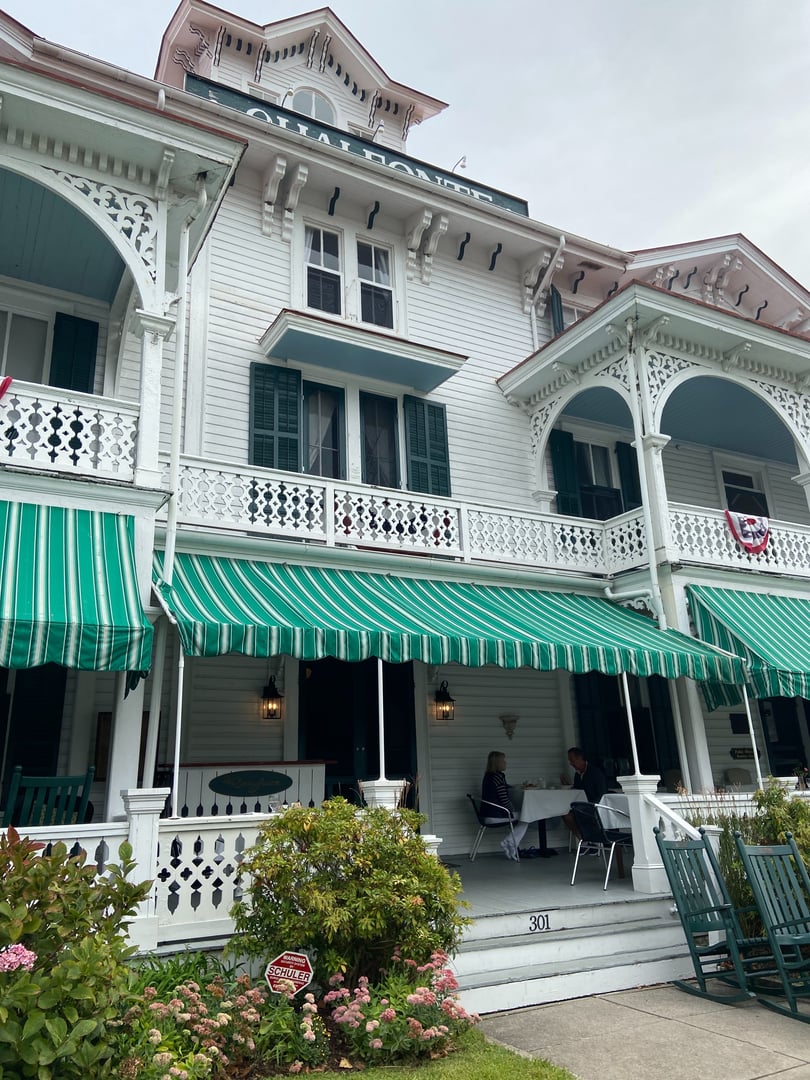
Charles Page commissioned the home at 308 Stockton Avenue in 1883, part of the same building wave that gave Cape May its distinctive Victorian character. The home was designed as a seasonal getaway for Page and his family during the summer resort season. That first summer, Page sent his family to Cape May while he remained behind in Philadelphia to manage business affairs. He was shot and killed in Philadelphia while his family was in residence at the new house — a violent death that the inn's own history page documents in its account of the property's origins.
The home passed through ownership changes over the following decades and was eventually converted to a bed-and-breakfast. The current operating identity as the Bedford Inn preserves the address as a period-accurate Victorian lodging in Cape May's historic district. The inn's own website maintains a history section that includes the circumstances of Page's death as part of the building's documented record.
The Bedford Inn sits within Cape May's dense ghost-tour ecosystem, which operates multiple competing walking-tour companies and draws visitors specifically for the town's paranormal reputation. Regional travel coverage has identified the inn as one of the addresses most consistently cited by Cape May innkeepers and tour operators.
Sources
- https://www.bedfordinn.com/bedford-inn-history
- https://matadornetwork.com/read/haunted-cape-may/
- https://www.stocktoninns.com/our-blog/most-haunted-places-in-cape-may/
Lights switching on independentlyTelevisions turning on without inputUnexplained footsteps in upstairs hallway
The ghost claims at the Bedford Inn center on Charles Page. Because he was killed before completing even one summer in the house he had commissioned, the standard interpretation is that his attachment to the property is unresolved. The inn's history page does not shy away from the story: the death is documented as part of the property's factual record, separate from the paranormal claims that have accumulated around it.
The specific phenomena are mostly auditory and electrical. Innkeepers have described lights switching on in rooms that were off and empty, and televisions turning on without being touched. The upstairs hallway is the most frequently cited location for footsteps — a steady pacing sound described by multiple guests staying in rooms that open onto that hall.
Matador Network's coverage of haunted Cape May includes the Bedford Inn in a roundup of properties with consistent paranormal reputations, noting the footstep and electrical reports as the primary documented phenomena. The Stockton Inns blog, covering haunted hotel options in Cape May, corroborates the inn's place among the town's recognized haunted addresses.
Cape May supports one of the denser ghost-tour ecosystems in New Jersey, and the Bedford Inn's reputation is maintained in part by the walking tours that pass nearby. The consistency of the specific reports — hallway footsteps, lights and electronics activating — across multiple independent accounts strengthens the claim compared to single-source hauntings.
Notable Entities
Charles Page
Where this legend is told