Named for Antelope Creek · William Jennings Bryan Land Donation (1907) · Sunken Gardens & Veterans Memorial Garden
Antelope Park takes its name from Antelope Creek, an 11-mile stream that runs through central Lincoln and was itself named for the pronghorn once seen grazing along its banks. The park's core dates to 1905, when the Lincoln Water Department bought the 40-acre Sager tract between 27th and 30th streets, mainly to secure well sites after outgrowing an earlier well at 6th and F streets. The land left over from that purchase became the beginning of a public park along the creek.
Two years later, William Jennings Bryan added ten acres from his own Fairview Farm along the creek's east bank -- a notable donation from Lincoln's best-known resident. Omaha banker W.T. Auld gave the city two more tracts along Antelope Creek roughly five years before 1920. That year, the city bought the privately run Lincoln Auto Club campground, with its cabins and small store on the creek's west bank, folding it into the growing park.
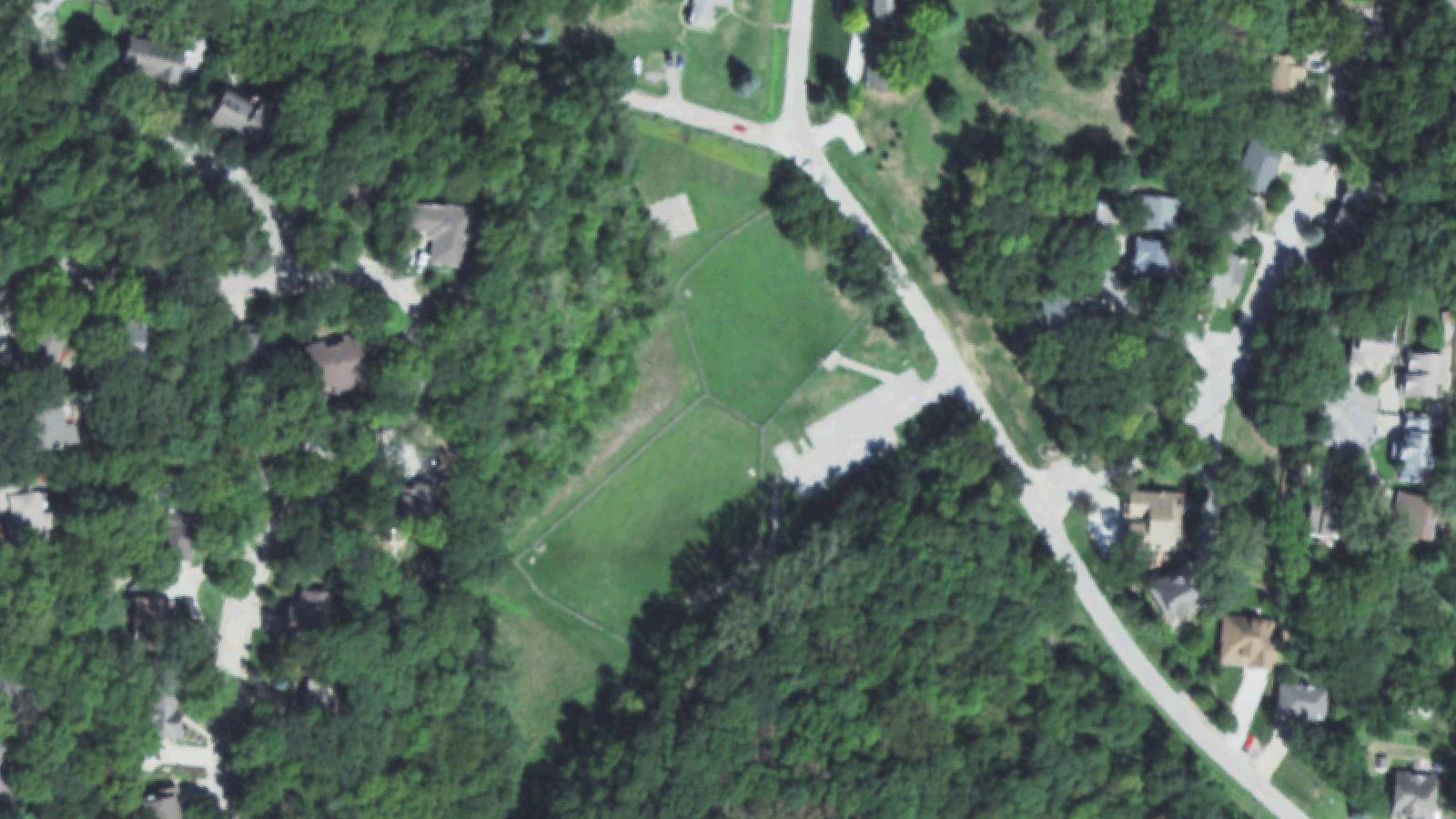
What resulted is the 137-acre park that exists today, stretching roughly from 23rd and N streets to 33rd and Sheridan Boulevard. It now holds the Sunken Gardens, the Hamann Rose Garden, the Veterans Memorial Garden, Ager Golf Course, the Lincoln Children's Zoo, ball fields, and the city's largest playground -- built from a water utility's land purchase and a series of private donations over roughly two decades.
Sources
- https://www.lincoln.ne.gov/City/Departments/Parks-and-Recreation/Parks-Facilities/Parks-A-to-Z/Antelope-Park
- https://journalstar.com/news/local/history/jim-mckee-the-birth-of-antelope-park-in-lincoln/article_571cb54d-d63c-597d-a678-542a968ac8fb.html
- https://en.wikipedia.org/wiki/Antelope_Creek_(Salt_Creek)
- https://paranormalaf.wordpress.com/2019/07/09/antelope-park-lincoln-ne/
ApparitionsA figure crossing the fieldFeeling watched
Antelope Park's ghost story is thin on detail and long on repetition: multiple accounts describe a figure crossing the open field behind the park's caretaker's house and disappearing into the tree line. The Daily Nebraskan, the University of Nebraska-Lincoln student newspaper, described "ghostly figures walking across the field... and then into the forest" in a 2018 roundup of Lincoln haunted sites, and a separate haunted-places listing independently describes an apparition making the same crossing. Author Alan Boye's book "A Guide to the Ghosts of Lincoln" (University of Nebraska Press) includes the same account, under the heading "the woman at Antelope Park," among its collected Lincoln ghost stories -- giving the legend a paper trail beyond web listicles.
Separately, and with far less to back it up, one listing attaches an additional unverified account of a man's death to the story, offered without a name, a date, or any documented record. That claim does not check out against any source consulted for this entry and is not treated as fact here -- it is folklore layered onto a still-active public park, not a historical event.
The park continues to operate as one of Lincoln's most-used green spaces, home to a zoo, gardens, and the city's largest playground.
Media Appearances
- A Guide to the Ghosts of Lincoln (book, 2013)