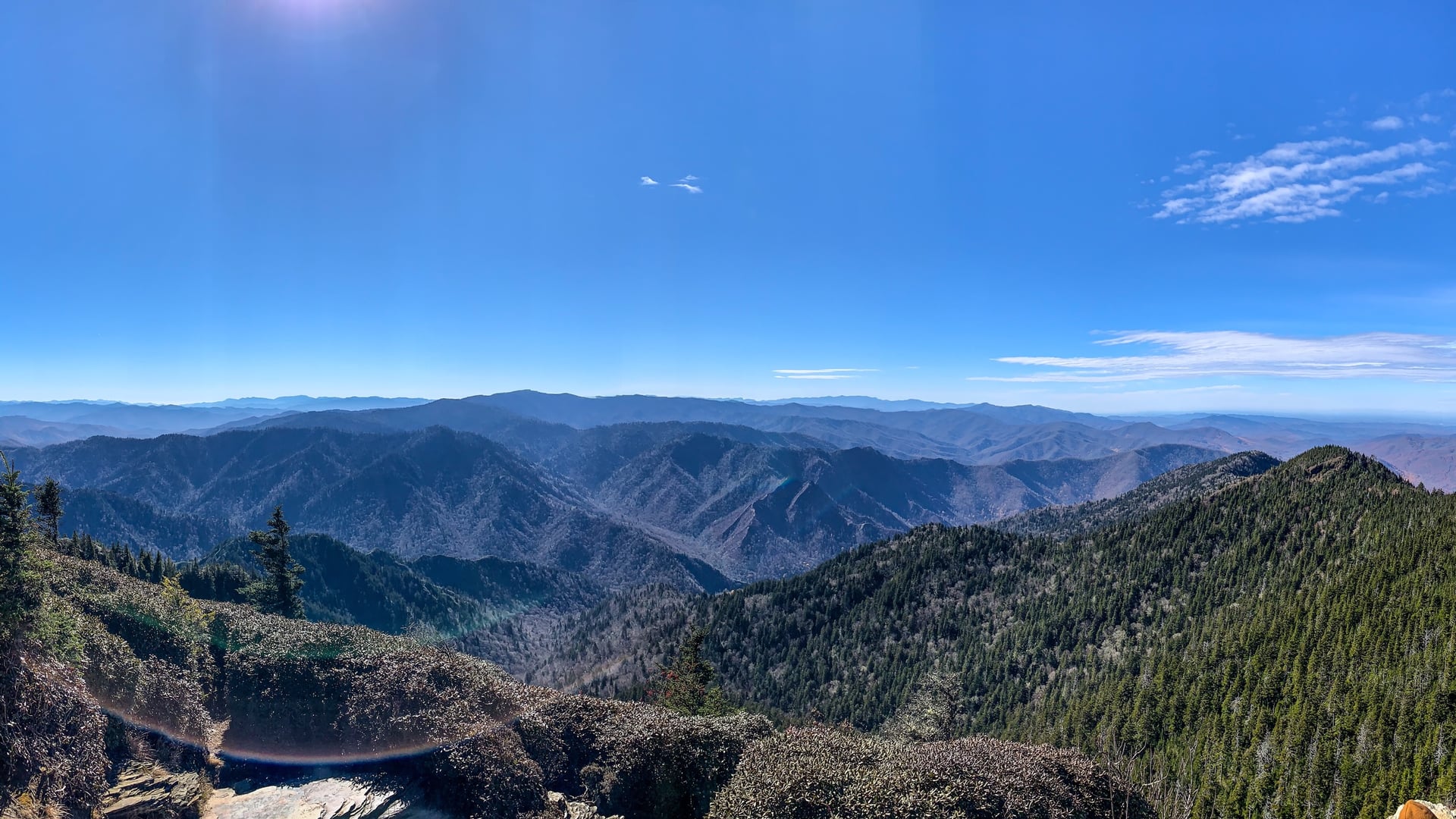
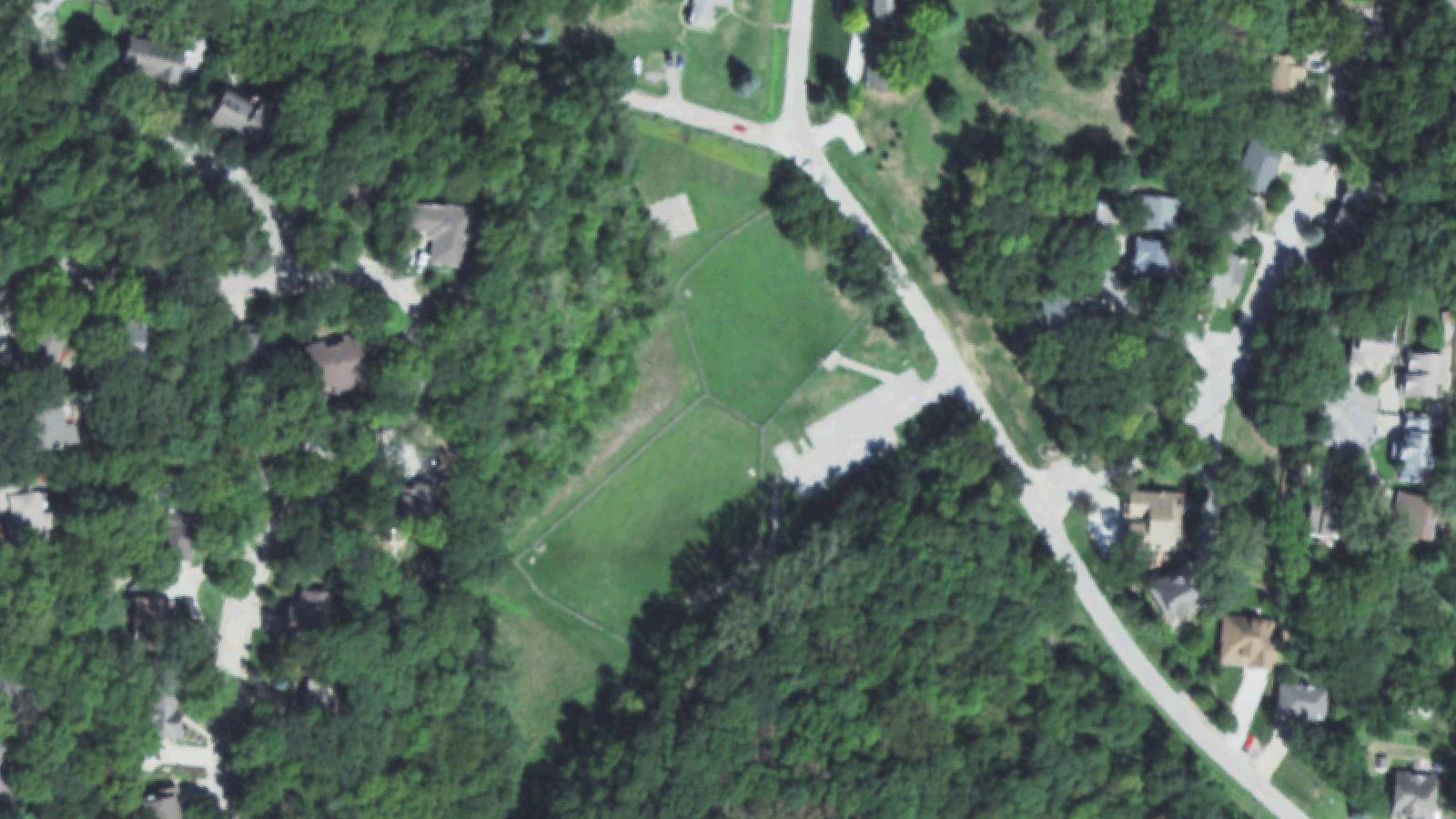
The most widely repeated claim about Hummel Park is that the trees arching over the entrance road bow because they hold the weight of lynching victims — that Black Omahans were hanged there during the early 1900s, and the trees still remember.
Local historians and researchers who have studied the park's documented record have found no evidence that any lynching ever took place at Hummel Park. The arching trees, which grow naturally in their shape along the road, have no documented connection to violence. The lynching legend appears to have developed from a combination of the park's secluded atmosphere, its actual history of violent crime, and the broader history of racial violence in the United States during the era in question — which was real, and documented elsewhere in Omaha, but not at this site.
The '188 stairs' — called the Stairs to Hell in local lore because visitors claim to count a different number going up than going down — has an explanation. There are 188 steps. Some are irregular in shape, making a clean count difficult. The apparent discrepancy is a product of the physical structure, not supernatural intervention.
Other claims — a colony of albinos in the woods, satanic altars, animal sacrifice — have been investigated by local journalists and historians. No evidence supports any of them.
What the park does have, documented, is a long series of violent events ending in bodies found in its woods. The apparitions and mist reported by visitors are real accounts, offered by real witnesses. Whether those atmospheric reports reflect something in the physical environment — the park's distinctive topography, its density of vegetation, its acoustic isolation — or something else, remains an open question.
The park continues operating as a public city space, hosting nature programming and picnics alongside its more somber reputation.