Self-Guided Visit
Self-Guided Bridge Visit
Walk the only surviving Burr-arch truss covered bridge in Missouri and read the interpretive signage about its 1871 construction.
- Duration:
- 30 min
HauntBound archive · catalog record
Reported phenomena, as catalogued
An 1871 Burr-arch truss covered bridge over the Elk Fork of the Salt River near Paris, Missouri, where local lore claims a drowned boy reaches for visitors who cross in the dark.
20700 Monroe County Road 962, Paris, MO 65275
Research updated June 2026
Age
All Ages
Cost
Free
Free to visit; Missouri State Historic Site, grounds open daily.
Access
Limited Access
Rural gravel approach and grassy banks along the Elk Fork of the Salt River; uneven ground at the bridge deck.
Equipment
Photos OK
Est. 1871 · Only surviving Burr-arch truss covered bridge in Missouri · One of just four covered bridges remaining in the state · Listed on the National Register of Historic Places (1970) · Preserved as a Missouri State Historic Site
After two uncovered bridges across the Elk Fork of the Salt River on the Paris-to-Fayette road failed between 1849 and 1870, the Monroe County court ordered a covered replacement in the spring of 1870, allocating roughly $5,000 toward it and a companion structure across the North Fork of the Salt River. Builder Joseph C. Elliott completed the span in 1871 at a cost reported at about $5,500, and the bridge opened on September 17, 1871. It was named for the nearby Union Church.
The structure is roughly 120 to 125 feet long, 17.5 feet wide, and 12 feet high, built largely of oak using treenails and minimal iron fasteners. Its Burr-arch truss is slightly bowed toward the upstream side, a design choice that helps stabilize the span in flood conditions. It is the only Burr-arch truss bridge remaining among Missouri's four surviving covered bridges.
By the early 1960s the bridge was nearly lost to neglect; in 1961 local residents raised about $1,000 toward its preservation, and in 1967 it was added to the state park system. That same year a flood damaged the bridge, and the following year repairs were made using timbers salvaged from the Mexico Covered Bridge, which the same flood had destroyed. The bridge was closed to vehicular traffic in 1970 and added to the National Register of Historic Places on June 15, 1970 (reference no. 70000342).
The span endured further flooding in 1988, 1993, and 2008, with a full restoration completed in 2019. Today it is preserved and interpreted by Missouri State Parks as the Union Covered Bridge State Historic Site, open to foot traffic and accompanied by interpretive signage describing covered-bridge engineering and the region's nineteenth-century road history.
Sources
According to ghost-story tradition collected from the area, a boy is said to have fallen and drowned in the river near the bridge sometime in the mid-1800s, and visitors who attempt to cross the bridge in the dark report the sensation of being touched, attributed to the child's spirit (per the Shadowlands Haunted Places Index seed for this site).
This claim should be treated as folklore. The bridge itself was not completed until 1871, so any mid-1800s drowning would predate the standing structure, a common feature of retroactive ghost stories attached to old bridges. No newspaper account, historical-society record, or National Register documentation corroborates a drowning death or haunting at this location, and the established histories of the bridge make no mention of paranormal activity. The legend persists mainly through online haunted-places listings.
Visitors are encouraged to experience the site for its genuine engineering and historical value; the ghost story is best understood as part of the rural folklore that accumulates around isolated covered bridges across the Midwest.
Notable Entities
Walk the only surviving Burr-arch truss covered bridge in Missouri and read the interpretive signage about its 1871 construction.
Explore the wooded banks of the Elk Fork of the Salt River where local ghost stories about a drowned child are told.
Some links on this page may earn HauntBound a small commission when you book, at no extra cost to you. Our editorial picks are independent. Full disclosure
Every HauntBound history is researched from documented sources. We clearly separate verified historical fact from paranormal folklore.
Free Guide
11 verified stops, rated for families, mapped in order. Free.
One email to confirm, then the guide link. Unsubscribe anytime.
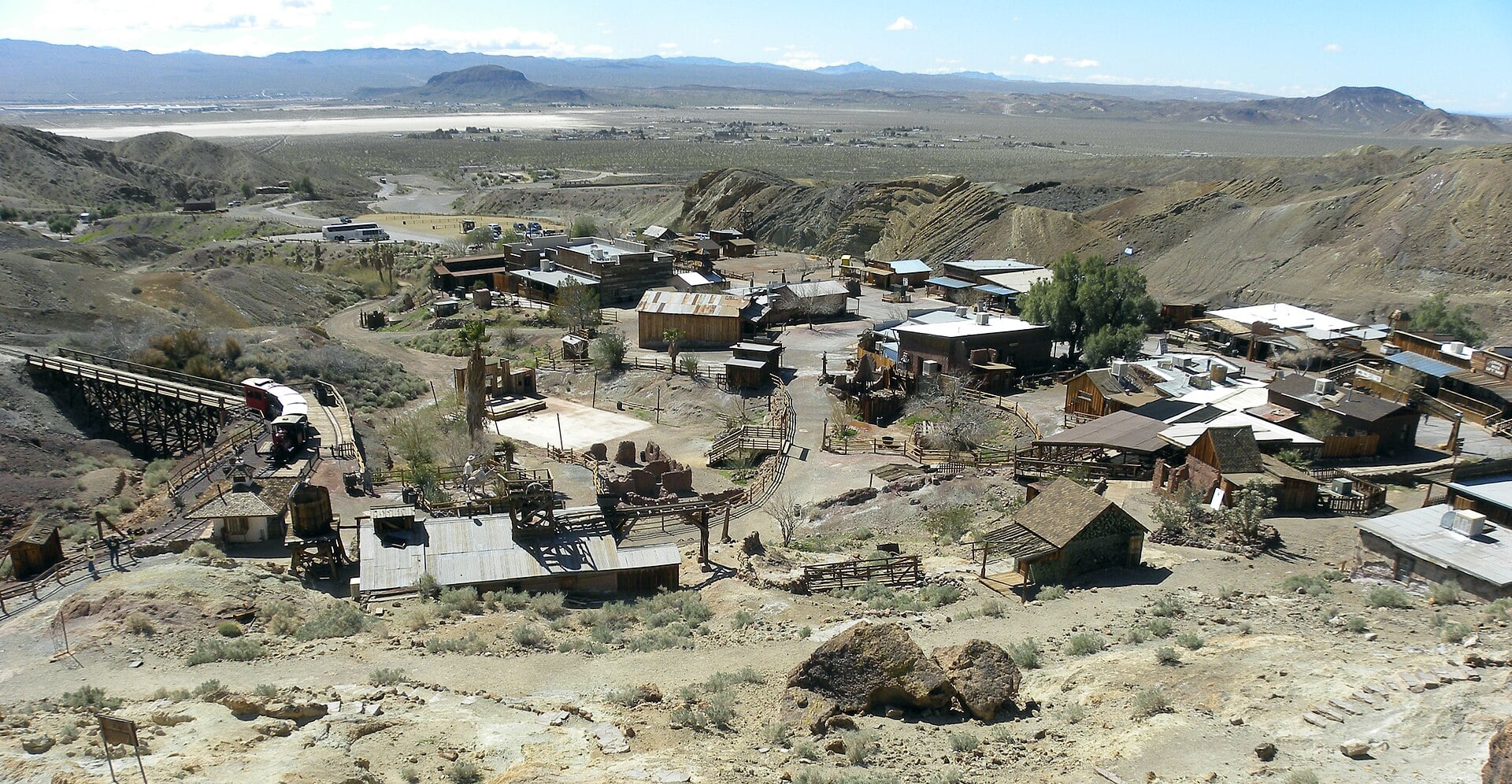
Yermo, CA
Calico was founded in 1881 as a silver mining boomtown in the Mojave Desert. The Silver King Mine became California's largest silver producer, generating 70% of the state's silver output during the mid-1880s. The town achieved peak prosperity before declining as silver prices collapsed.
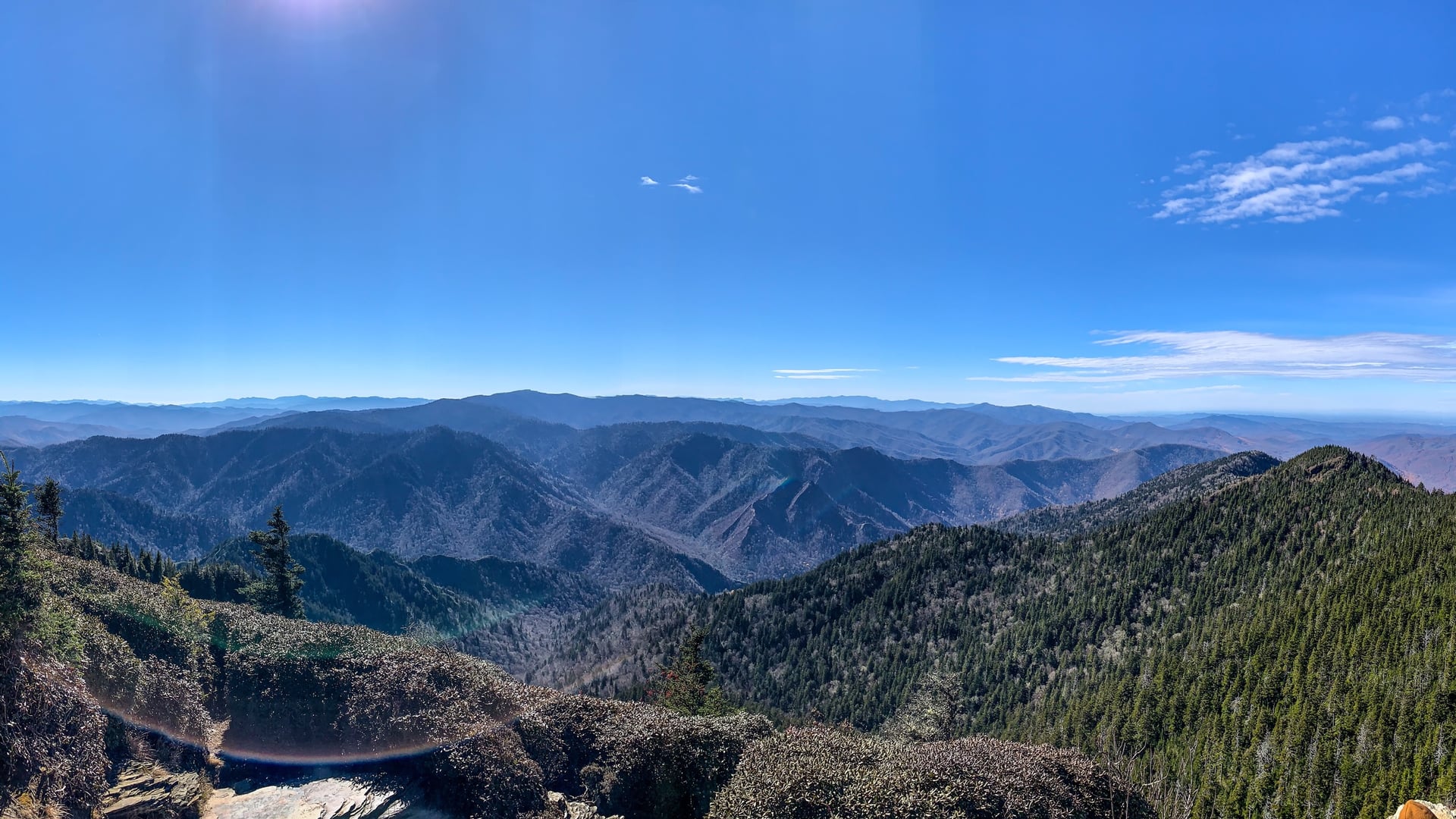
Gatlinburg, TN
Great Smoky Mountains National Park preserves 522,427 acres of southern Appalachian terrain across Tennessee and North Carolina. The land was the heart of the Cherokee Nation before forced removal in 1838 along what became the Trail of Tears, and home to Appalachian Scots-Irish and English settler communities through the early twentieth century. Congress authorized the park in 1926; it was formally dedicated by Franklin D. Roosevelt on September 2, 1940.
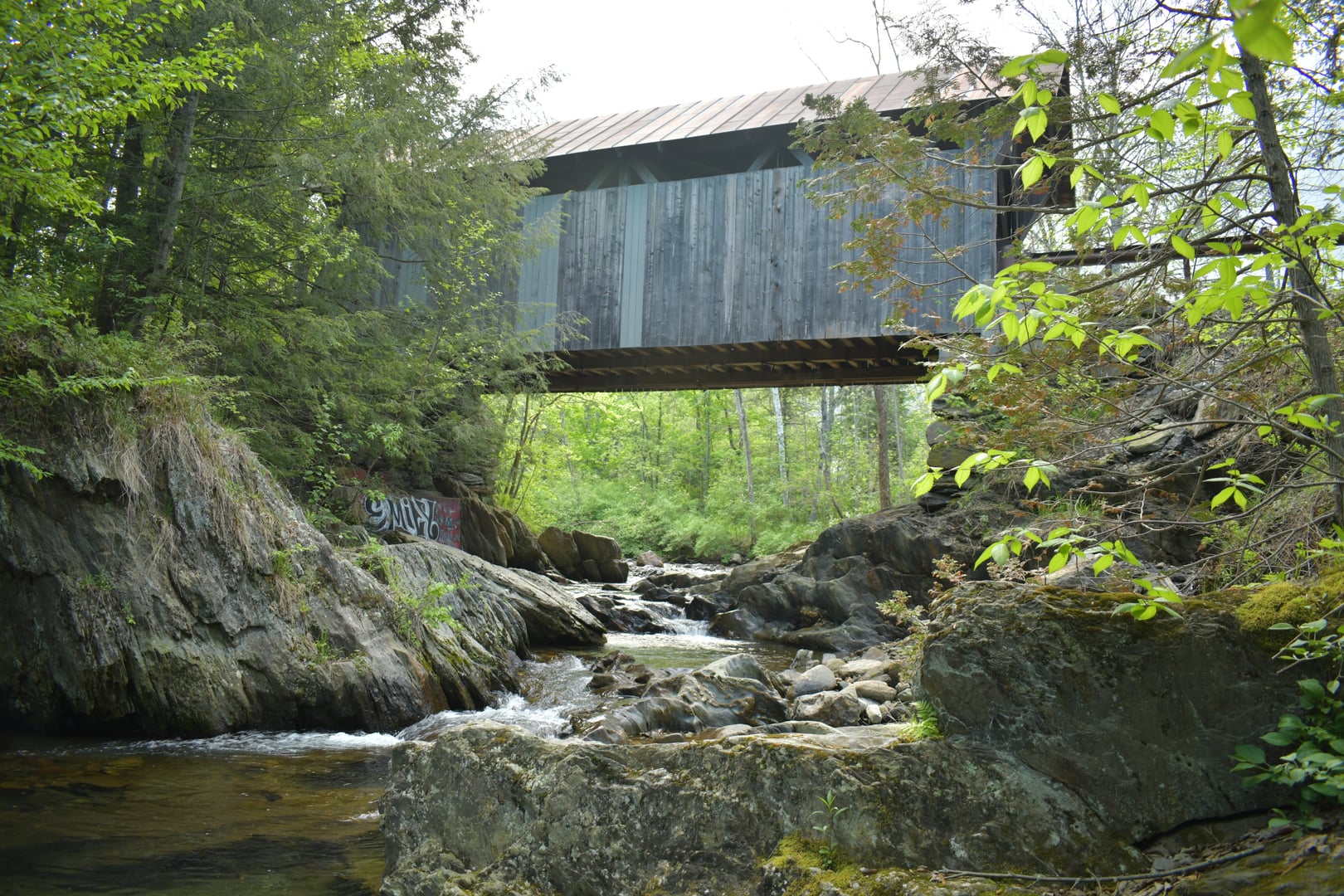
Stowe, VT
The Gold Brook Covered Bridge, locally called Emily's Bridge, was built in 1844 over Gold Brook in Stowe, Vermont. Its National Register nomination identifies it as Vermont's only timber-Howe-truss bridge carrying a public highway at that time, and it was listed on the National Register of Historic Places in 1974.