Outdoor Exploration
Historic Bridge Walk
Walk the 1914 Marsh rainbow-arch bridge over the North Raccoon River and try the local candy-bar legend at the center span.
- Duration:
- 30 min
HauntBound archive · catalog record
Reported phenomena, as catalogued
A 1914 Marsh rainbow-arch bridge over the North Raccoon River south of Lake City, now preserved in a county park and famous for a local 'candy-bar' ghost ritual.
Iberia Avenue (county park, south of Lake City), Lake City, IA 51449
Research updated June 2026
Age
All Ages
Cost
Free
Free public access in a Calhoun County park.
Access
Limited Access
Closed bridge deck and gravel park paths; uneven footing near the river.
Equipment
Photos OK
Est. 1914 · Example of James B. Marsh's patented rainbow-arch bridge design · Built 1914 by the Iowa Bridge Company · Listed on the National Register of Historic Places in 1989
The Marsh Rainbow Arch Bridge spans the North Raccoon River a few miles south of Lake City in Calhoun County, Iowa. It is a 271-foot, three-span concrete-and-steel structure built in 1914 by the Iowa Bridge Company for $10,970, carrying what was then Iberia Avenue.
The bridge is a signature example of the rainbow-arch design patented by Des Moines engineer James Barney Marsh, whose firm built similar bowstring-style spans across Iowa and the Midwest in the early twentieth century. The graceful arched ribs that rise above the deck give the form its 'rainbow' name and made Marsh's bridges distinctive landmarks.
The bridge carried traffic for seven decades before it was bypassed by a newer crossing in 1985. Rather than demolish the historic structure, the county preserved it in place within a small park. In 1989 it was listed on the National Register of Historic Places, recognizing both its engineering significance and its association with Marsh's patented design.
Today the closed bridge is a walkable landmark and informal gathering spot, drawing photographers, history enthusiasts, and — thanks to a long-running local legend — paranormal-curious visitors after dark.
Sources
The most famous story attached to the Marsh Rainbow Arch Bridge is a lighthearted one. According to the legend collected by regional haunted-place archives, a chocolate-loving spirit resides at the bridge. The ritual instructs a visitor to bring an unopened candy bar to the bridge at midnight, set it in the exact center of the span, walk back off the bridge, and wait five minutes in the dark. Upon returning, the legend claims, the wrapper will be intact and unopened, but the chocolate inside will have vanished.
The legend is candid about its own limits. The original Shadowlands listing that helped popularize the story carried a 2003 update noting that visitors who tried the ritual reported it did not work, and modern coverage repeats that the trick rarely produces results. There is no documented origin for the haunting and no associated tragedy on record, marking this firmly as a piece of harmless, playful local folklore rather than a story tied to a real death.
The bridge's atmospheric setting — a closed, arched span over a dark river in a quiet rural park — has kept the candy-bar tradition alive among Lake City teenagers and curiosity-seekers for decades.
Notable Entities
Walk the 1914 Marsh rainbow-arch bridge over the North Raccoon River and try the local candy-bar legend at the center span.
Self-guided visit to a National Register-listed example of James B. Marsh's patented rainbow-arch design.
Some links on this page may earn HauntBound a small commission when you book, at no extra cost to you. Our editorial picks are independent. Full disclosure
Every HauntBound history is researched from documented sources. We clearly separate verified historical fact from paranormal folklore.
Free Guide
11 verified stops, rated for families, mapped in order. Free.
One email to confirm, then the guide link. Unsubscribe anytime.
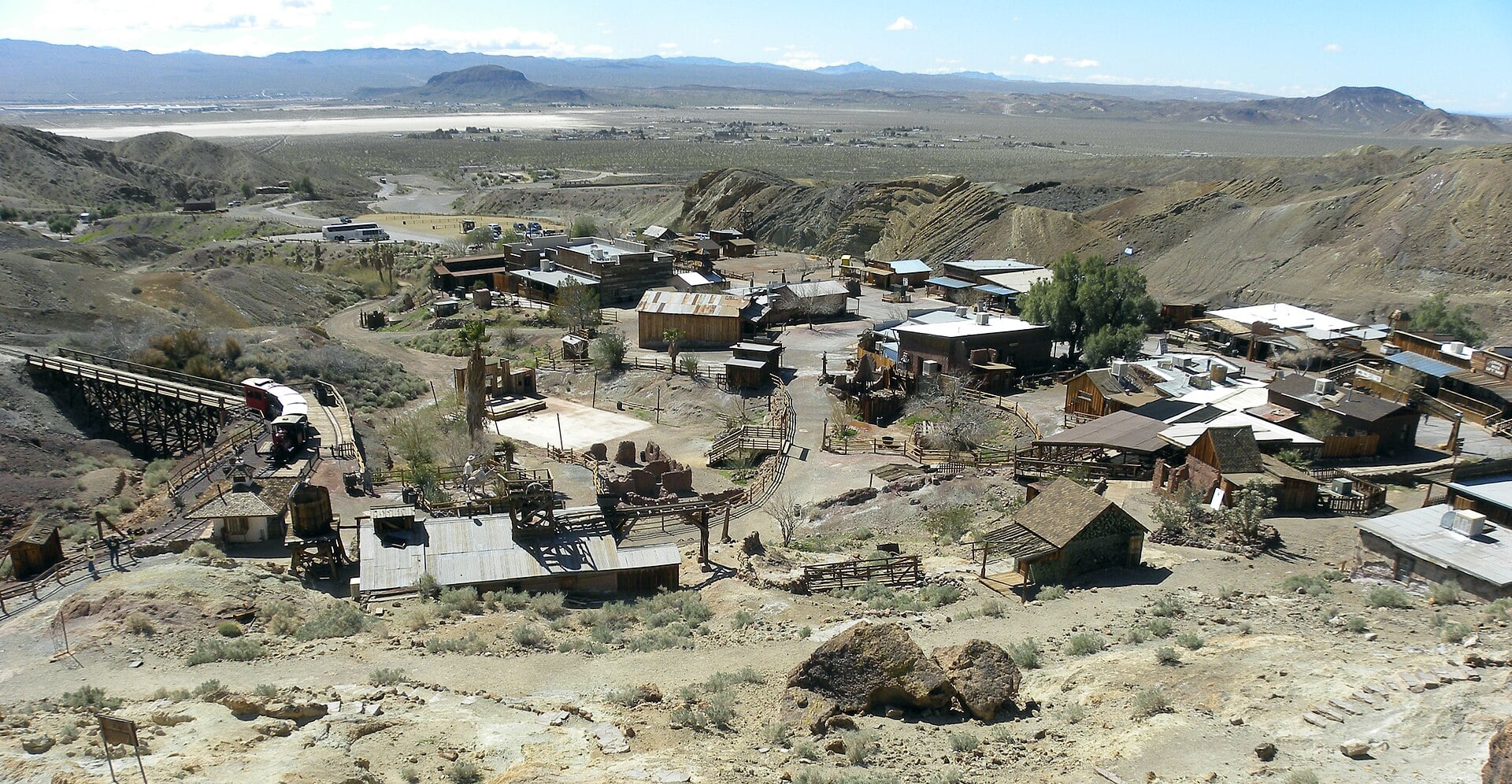
Yermo, CA
Calico was founded in 1881 as a silver mining boomtown in the Mojave Desert. The Silver King Mine became California's largest silver producer, generating 70% of the state's silver output during the mid-1880s. The town achieved peak prosperity before declining as silver prices collapsed.
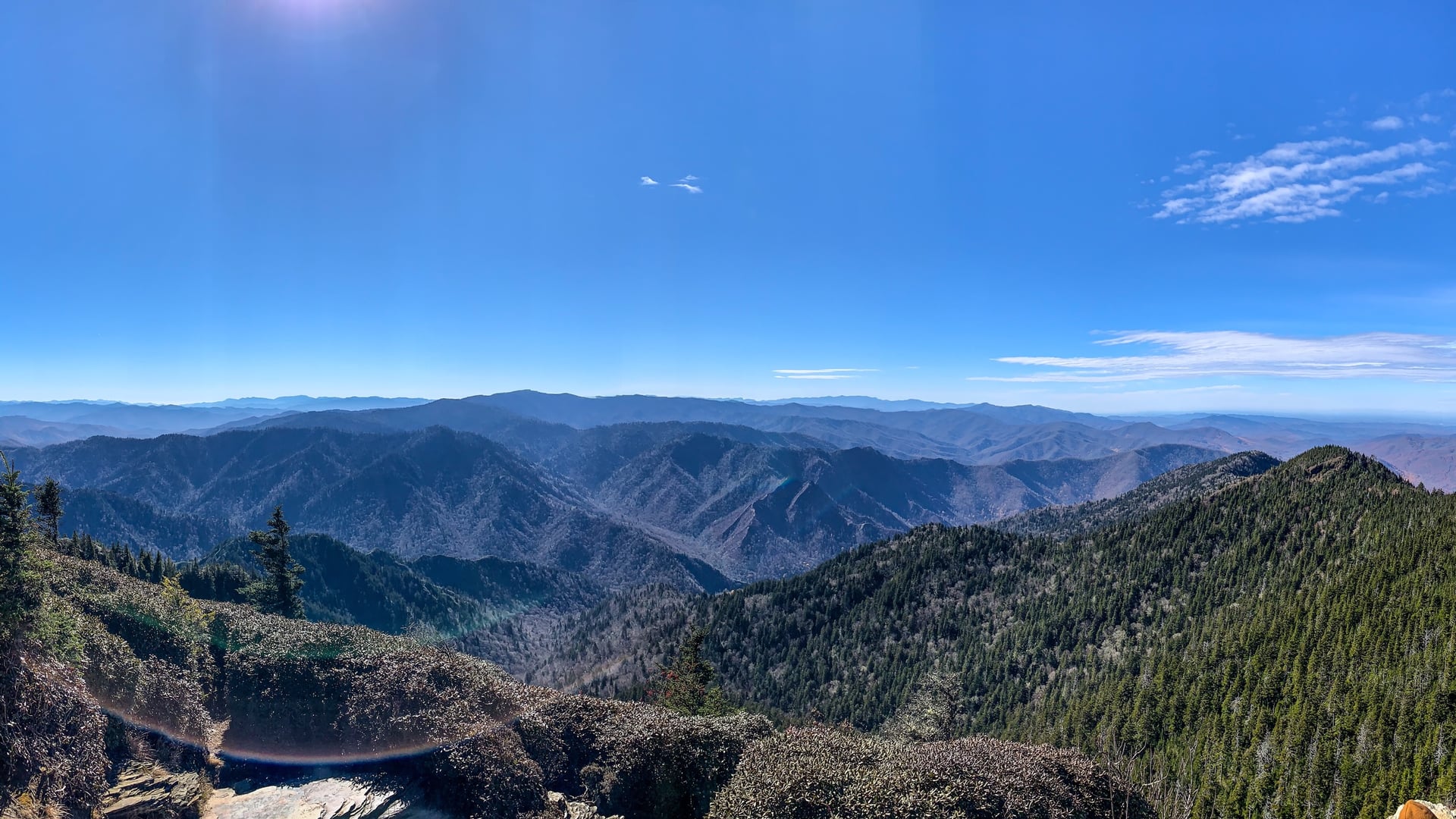
Gatlinburg, TN
Great Smoky Mountains National Park preserves 522,427 acres of southern Appalachian terrain across Tennessee and North Carolina. The land was the heart of the Cherokee Nation before forced removal in 1838 along what became the Trail of Tears, and home to Appalachian Scots-Irish and English settler communities through the early twentieth century. Congress authorized the park in 1926; it was formally dedicated by Franklin D. Roosevelt on September 2, 1940.
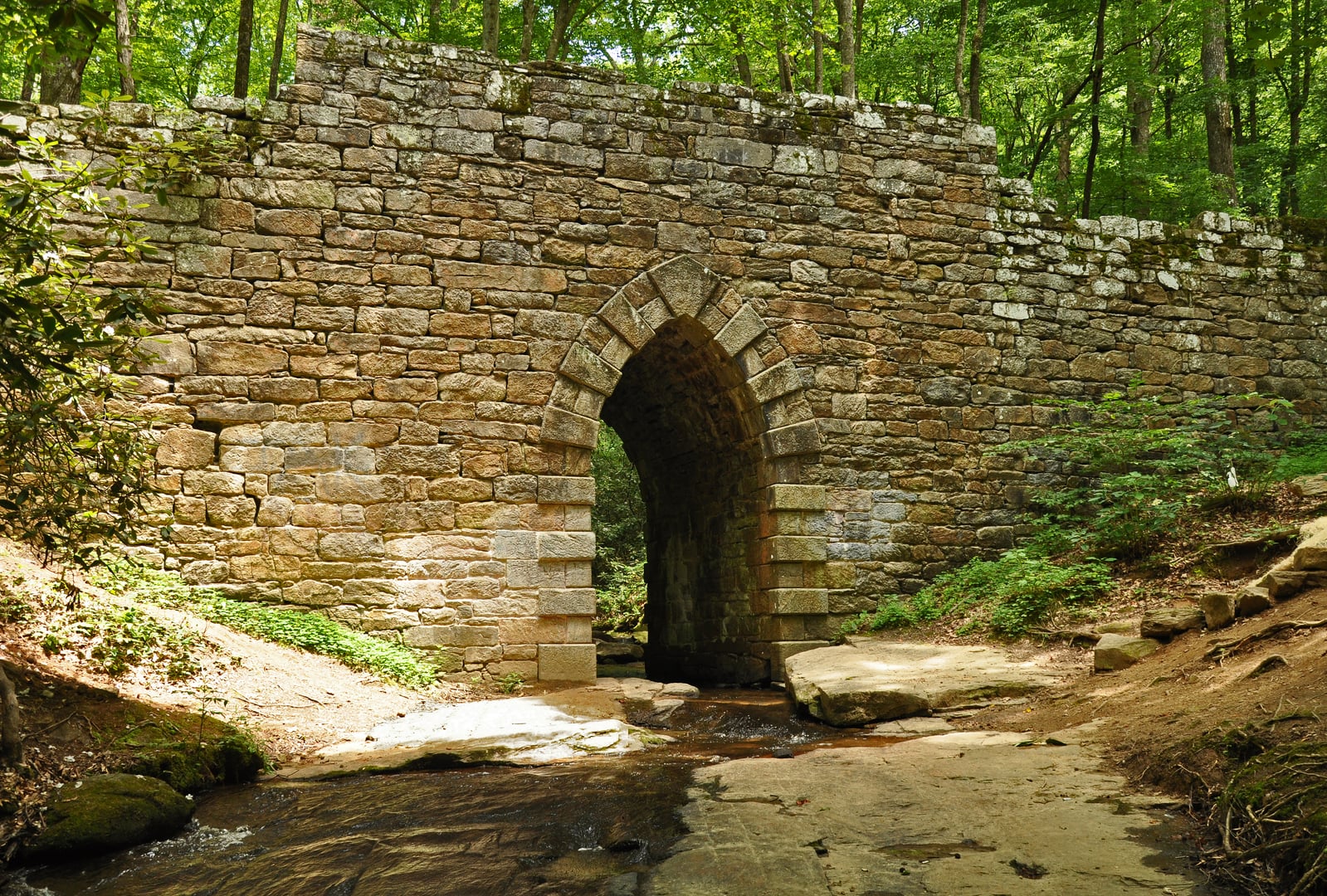
Travelers Rest, SC
Constructed in 1820, Poinsett Bridge is the oldest surviving stone bridge in South Carolina and potentially the oldest in the southeastern United States. The 130-foot Gothic-arch span over Little Gap Creek was built as part of the State Road connecting Columbia to the North Carolina mountains, named for Joel Roberts Poinsett, then-president of the state Board of Public Works. Added to the National Register of Historic Places in 1970, it is now the centerpiece of the 400-acre Poinsett Bridge Heritage Preserve managed by SC DNR.