Central Michigan Railroad Heritage · Ionia County Rail-Trail Conversion
Ionia sits in central-western Michigan along the Grand River, between Grand Rapids and Lansing — historically a regional rail crossing where two important corridors met: the Pere Marquette line running north from Grand Ledge to Howard City, and the east-west route from Detroit through Owosso to Grand Rapids. The Detroit-to-Grand Haven through line via Owosso, Ionia, and Grand Rapids was completed by the Detroit & Milwaukee Railroad in 1858 and later operated by the Grand Trunk Western. The new Grand Trunk Depot opened in Ionia on August 19, 1910, and regular steam-hauled passenger service through the city continued until 1958, with the depot serving rail passengers through 1959.
The Mill Street crossing was a street-level junction with the Grand Trunk Western corridor, which Central Michigan Railroad acquired in 1987 as Grand Trunk divested its branch operations. In 1993, the segment from Fuller (in Grand Rapids) to Ionia was sold to the Grand Rapids Eastern. Eventually the corridor was decommissioned for rail operations and converted to the Fred Meijer Grand River Valley Trail — a 15.6-mile multi-use rail-trail running from Lowell through Saranac to Prairie Creek east of Ionia. Trail mile markers are based on the original Grand Trunk Western railroad mile markers and indicate the distance from the old Brush Street Station in downtown Detroit (the site now occupied by the Renaissance Center).
The trail surface varies by segment: crushed asphalt for the five miles between Lowell and Saranac, paved in Saranac proper, crushed limestone between Saranac and Ionia, and paved for the four miles within the City of Ionia. The Mill Street crossing in Ionia remains in place as a road-level intersection with this paved rail-trail segment.
Local folklore documented in regional Michigan radio reporting describes a vehicle-train accident at this crossing in the past — accounts variously involve a single vehicle or a two-vehicle collision — with the victim or victims reportedly thrown from the vehicle into the front yard of an adjacent home. The exact date and casualty count are not specified in available sources, and Ionia County or Michigan State Police records corroborating a specific incident were not identified during research.
Sources
- https://wrkr.com/fred-meijer-trail-ionia-haunting/
- https://www.traillink.com/trail/fred-meijer-grand-river-valley-rail-trail/
- https://www.michiganrailroads.com/stations-locations/98-ionia-county-34/952-ionia-mi
- https://fmrvrt.org/about/
- https://www.railroadmichigan.com/centralmichigan.html
- https://www.michigan.org/property/fred-meijer-grand-river-valley-rail-trail
Disembodied screamingResidual hauntingPhantom voices
The Mill Street legend is a single repeated regional story documented in Michigan radio coverage and local folklore retellings. The core report: at the crossing, walkers and drivers occasionally hear screams attributed to victims of a vehicle-train collision said to have occurred decades ago at this crossing on the active Grand Trunk Western line. Local tradition holds that the impact threw the victims clear of the vehicle and into the front yard of an adjacent home, an unusually specific detail for a road-corridor haunting account.
The folklore specifies that dusk and full darkness produce the most consistent reports — the transition hour between operational visibility and night, which in psychological literature is also the period during which sound localization becomes least reliable and the human auditory system most prone to constructing patterns from ambient noise. The corridor is now a rail-trail, so the railroad no longer operates through the crossing; trains have not passed through Mill Street in years. Yet the residual-sound reports have carried forward into the rail-trail era, with walkers on the converted corridor and drivers on Mill Street itself contributing the more recent additions to the tradition.
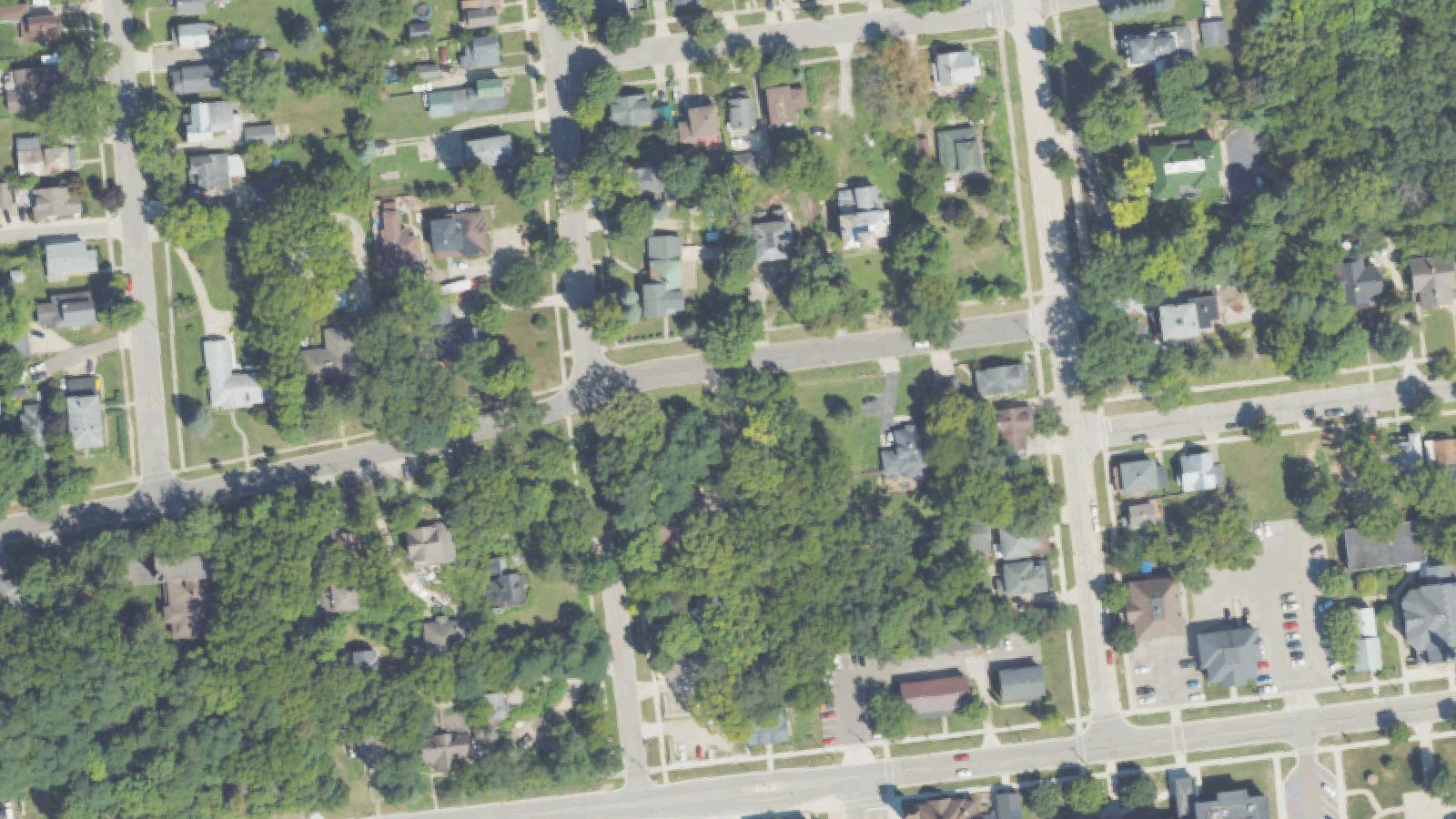
No named paranormal investigation, regional historical society write-up, or county records search has been published for this crossing during the research period. The legend exists primarily through oral tradition in the Ionia community and a single regional radio article that consolidated several local retellings. The setting — a quiet residential neighborhood on the eastern edge of Ionia where the rail-trail bisects the street grid — is the kind of place where the contrast between the present (a peaceful walking trail) and the recent past (an active rail line with road-level grade crossings) lends a structural opening for legends to attach to a particular point on the corridor.
Visitors interested in the legend can walk or drive the crossing during normal trail hours. The surrounding neighborhood is residential; visitors should remain on public street and the trail right-of-way, and respect that residents along the corridor live with the legend as background to their daily life rather than as a tourist attraction.
Where this legend is told