Est. 1865 · Nineteenth Century Settlement · Railroad Development · Agricultural Heritage · Allegan County History
Fennville's origins trace to Benjamin Fenn, a New York lumberman who established sawmill and grist mill operations near Fennville Creek in the nineteenth century. The settlement that formed around these industrial enterprises eventually became known as Fennville, taking its name from its founder. In 1865, the Chicago and Michigan Lake Shore Railroad extended through the area, connecting Fennville to larger trade networks and facilitating its development.
On February 20, 1889, Fennville was officially incorporated as a village. The economic foundation shifted progressively from industrial milling to agricultural production. The region's fertile soil and favorable climate became ideal for fruit farming, particularly apple and peach cultivation. Fennville earned recognition as the "Fruit Basket of Allegan County" during the height of regional agricultural development.
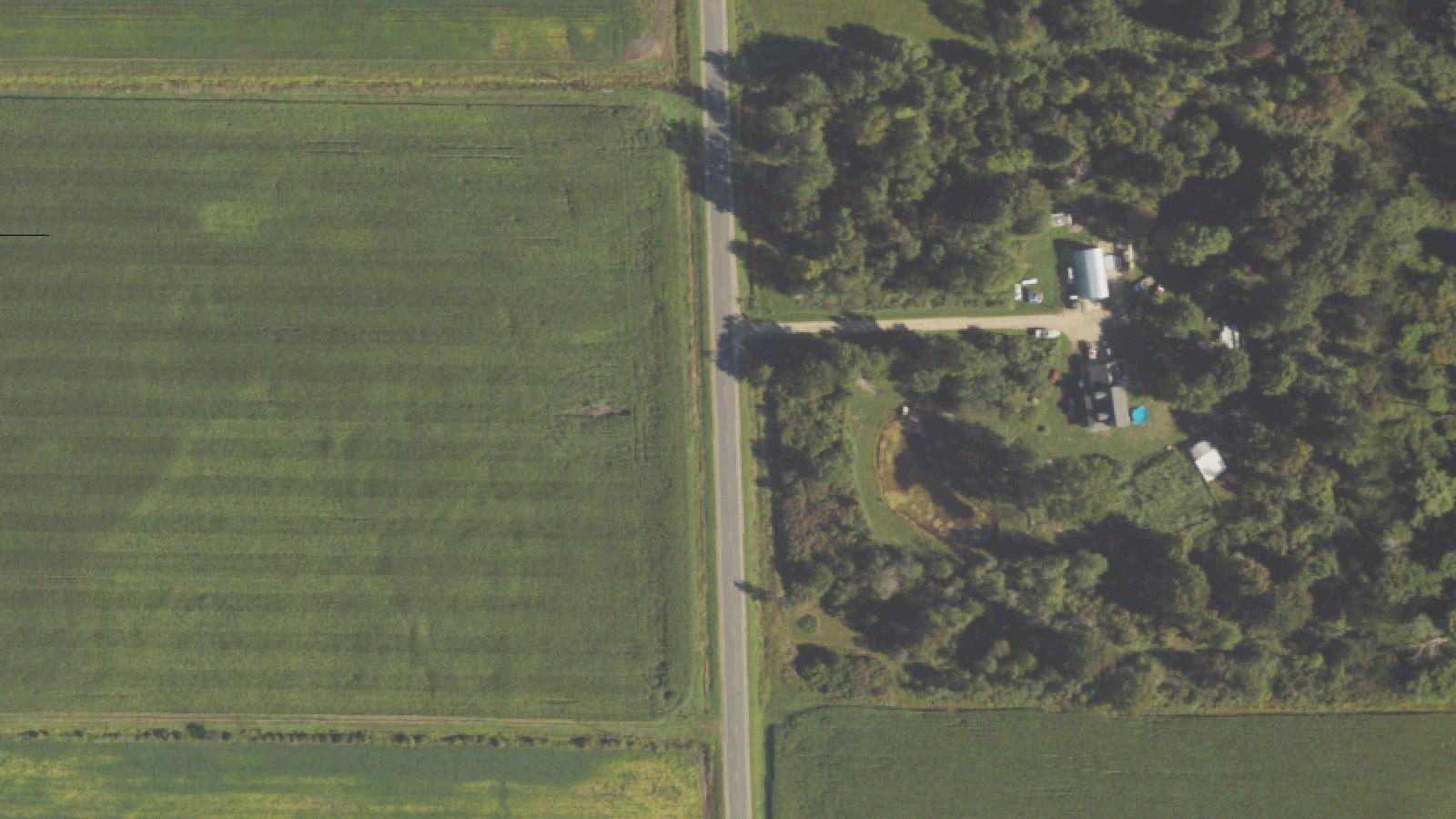
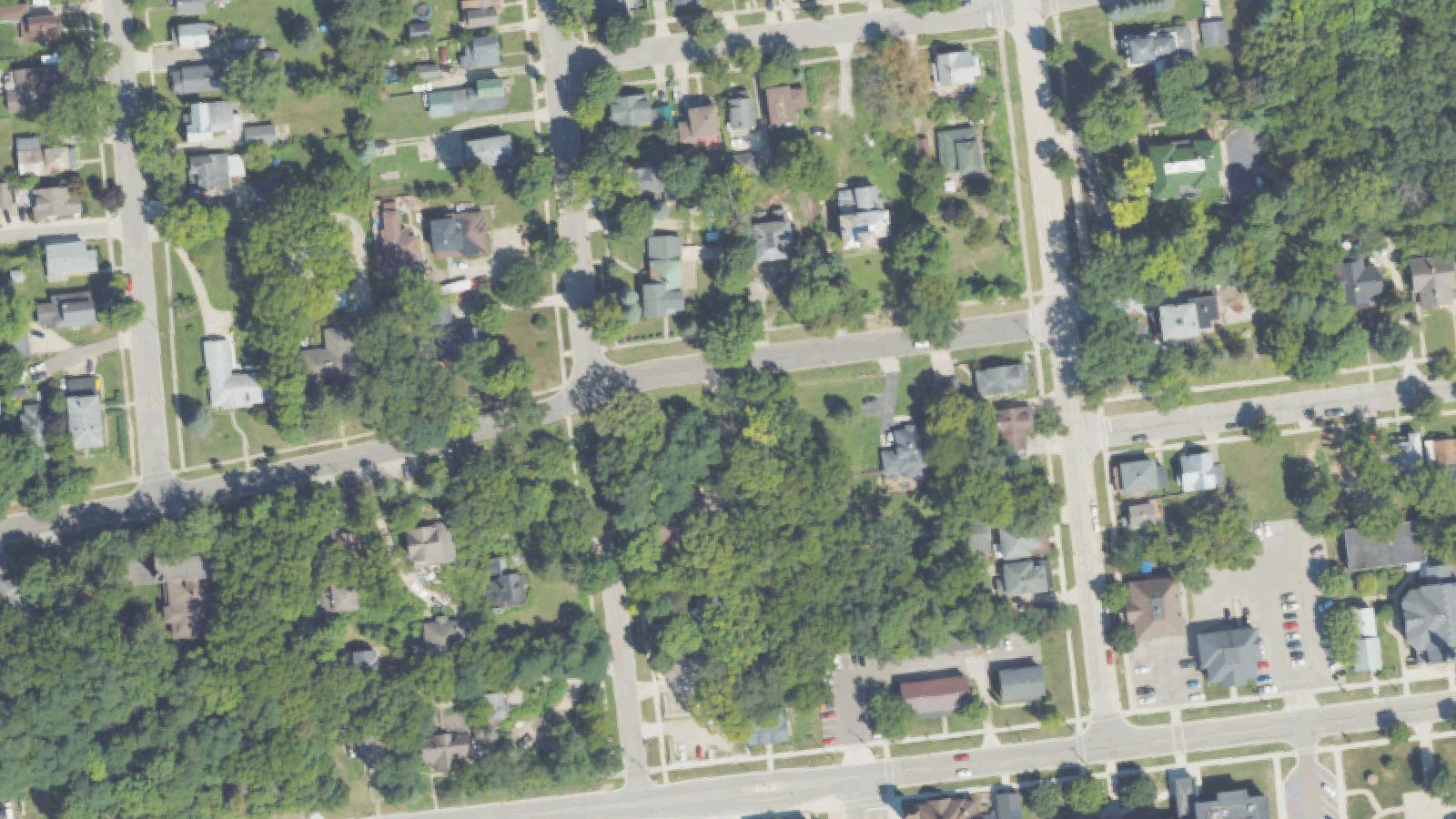
The city was formally incorporated as a city in 1961. The surrounding Allegan County region maintains a largely rural character, with State Route 89 serving as the primary transportation corridor through the area. The back roads and secondary routes that branch from M89 traverse agricultural and wooded landscapes that have remained relatively undeveloped.
Sources
- https://en.wikipedia.org/wiki/Fennville,_Michigan
- https://www.hmdb.org/m.asp?m=73526
- https://www.fennville.gov/about
Shadow figuresVisual apparitions
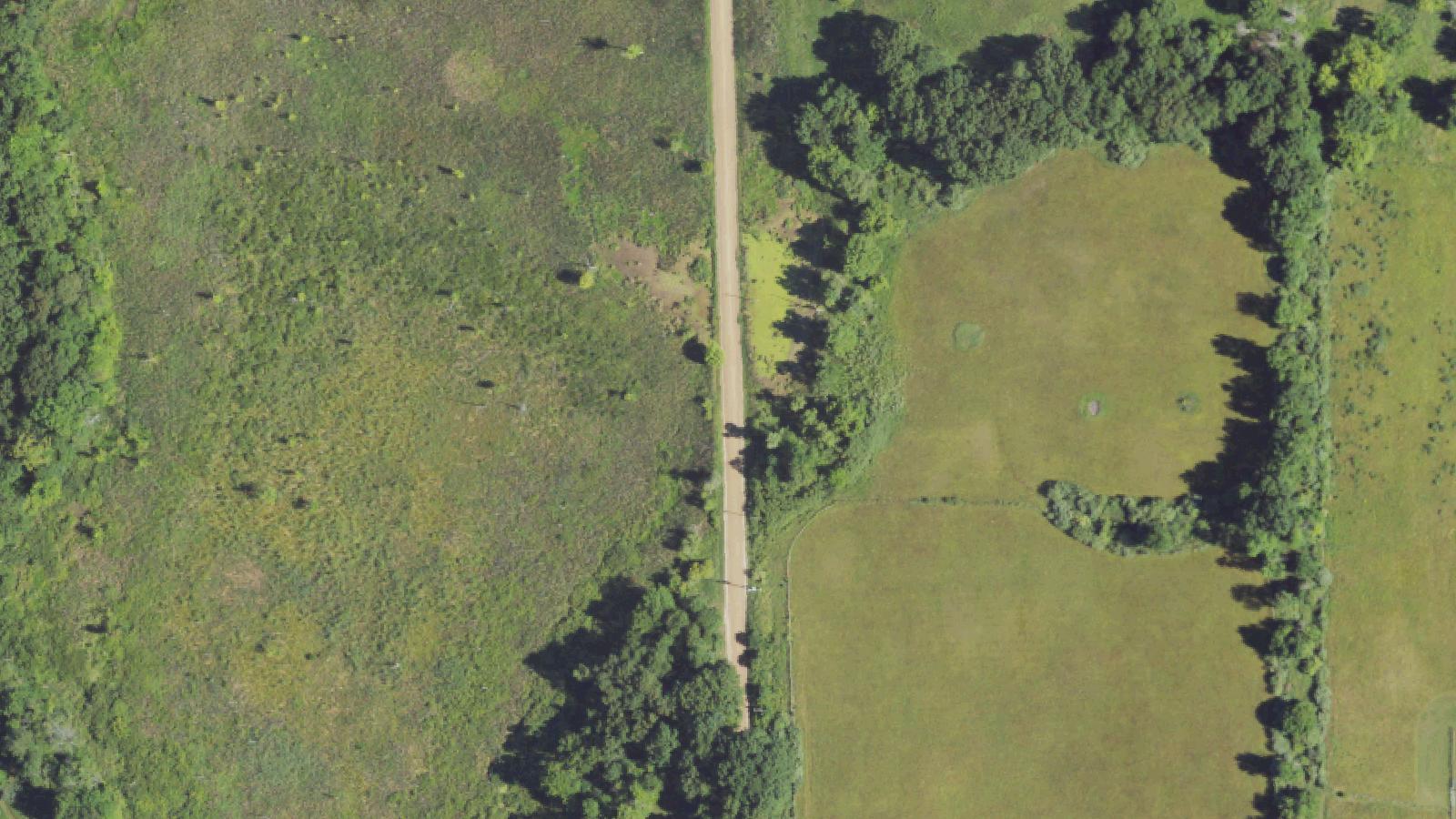
The 54th Street area and adjacent back roads in Fennville have generated cryptozoological reports consistent with broader Midwestern cryptid folklore. Witnesses claim to have encountered an upright-walking creature of approximately four to five feet in height when in a crouching stance. The entity is described as having whitish-grey coloring and physical proportions that suggest both humanoid and animal characteristics.
Multiple independent witnesses have reported encounters or observations consistent with this description. The creature's reported dimensions and posture align with sighting patterns reported across Michigan and the broader Great Lakes region, contributing to speculation about possible undocumented cryptid populations.
The rural and heavily wooded character of the area provides suitable habitat for undocumented animal species or cryptid populations. The relative isolation of the back roads off M89, combined with limited development and human habitation, creates conditions where such sightings might plausibly occur undetected.
No scientific verification of the creature's existence has been established. The reports remain anecdotal and folklore-based, though the consistency of descriptions across multiple witnesses suggests either a genuine unknown animal or a widespread cultural narrative. The sightings cannot be definitively classified as purely paranormal phenomena, as they may relate to misidentification of known animals, cryptozoological populations, or localized folklore traditions.
Notable Entities
Unknown humanoid-canine creature