Est. 1835 · National Historic Landmark · Major Antebellum Cotton Plantation (1835–1861) · Enslaved Labor Economy — Lower Mississippi Delta · Martha Turnbull's Garden Journal (1836 onward) · Louisiana State Historic Site
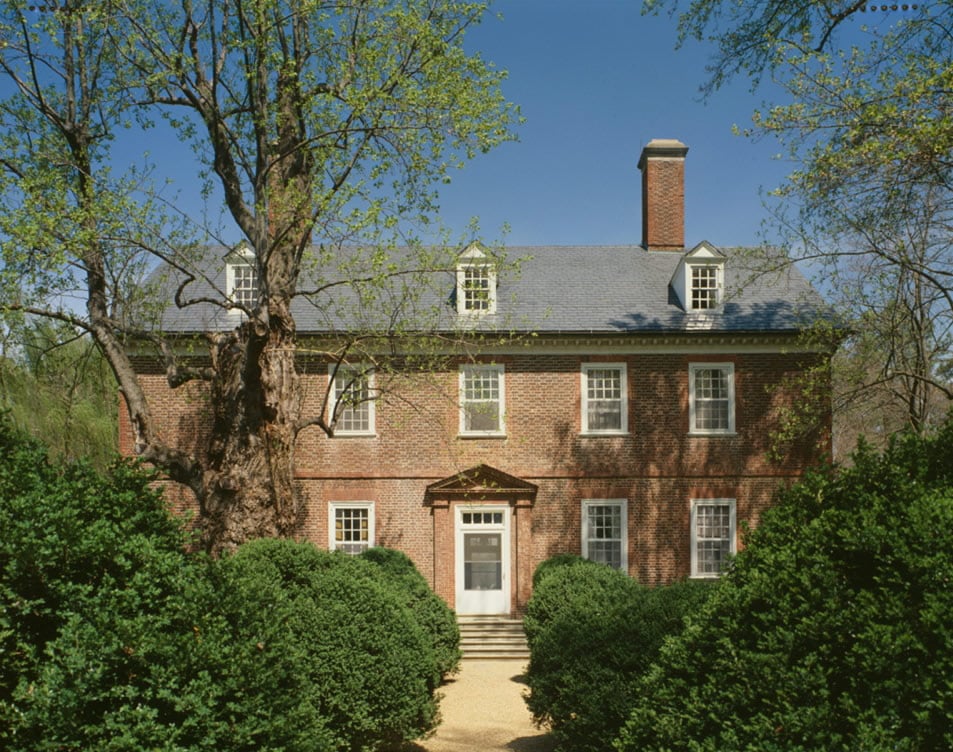
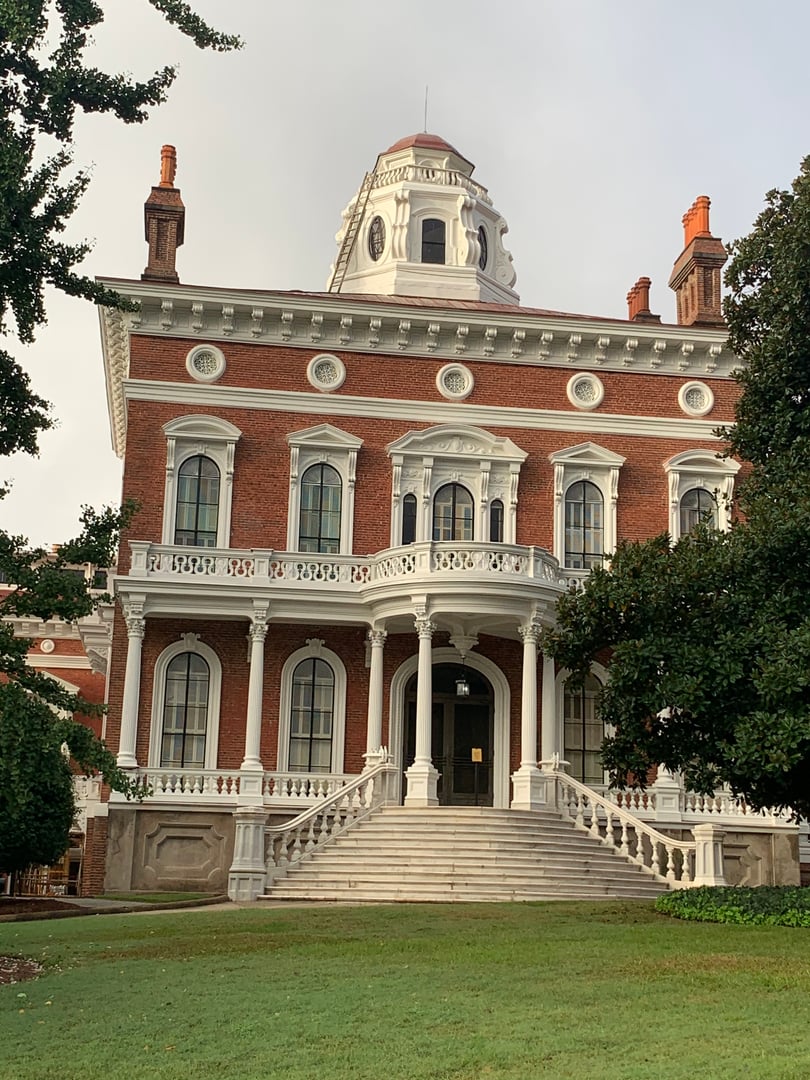
Daniel Turnbull and Martha Barrow Turnbull commissioned the Rosedown house in 1835 following a trip to Europe, where Martha had been inspired by the formal gardens she encountered. The main house, completed in 1836, became the centerpiece of a cotton plantation that eventually encompassed approximately 3,500 acres in West Feliciana Parish. At the height of its productivity in the antebellum period, Rosedown was among the most profitable cotton estates in Louisiana, reflecting the extreme wealth generated by enslaved labor in the lower Mississippi River delta.
Martha Turnbull maintained a detailed garden journal from 1836 onward — a document that allowed twentieth-century restorers to reconstruct the formal garden with significant accuracy. The grounds eventually held twelve outbuildings including the kitchen, schoolhouse, and slave quarters. The histories of the people enslaved at Rosedown are documented in estate records now accessible through state archives and the plantation's interpretive programming.
The Turnbull family experienced a series of early deaths in the mid-nineteenth century. Their son William died in 1856 when the steamboat Bella Donna collided with his skiff and capsized it; younger son James Daniel Turnbull also died suddenly. Daniel Turnbull himself died in 1861 at the outset of the Civil War. Martha outlived her husband and most of her children, maintaining the plantation through Reconstruction.
Rosedown passed through several owners after Martha Turnbull's death before being purchased by Catherine Fondren Underwood in 1956. Underwood undertook a major restoration of the house and gardens over fourteen years. The property was designated a National Historic Landmark and eventually transferred to Louisiana State Parks, which now operates it as the Rosedown Plantation State Historic Site with daily guided tours.
Sources
- https://en.wikipedia.org/wiki/Rosedown_Plantation
- https://www.lastateparks.com/historic-sites/rosedown-plantation-state-historic-site
- https://www.explorelouisiana.com/articles/rosedown-plantation-state-historic-site
Furniture rearrangement after closingLights activating simultaneously after alarm setUnexplained presence in main house
The paranormal accounts at Rosedown are low-key by haunted-house standards but consistent. Staff responsible for closing the house — locking doors, setting the alarm, and securing the property — have returned on multiple occasions to find furniture in the main rooms moved from its set positions. In other instances, lights throughout the house have been found switched on simultaneously, in rooms that were dark when the alarm was activated.
A former curator interviewed in a regional blog account attributed these incidents to a presence connected to the Turnbull family — specifically to the sons who died young. William Turnbull's 1856 death, at age twenty-six, by capsized skiff on the Mississippi is the best-documented of the family's early losses. The account suggests these figures remain connected to the house they grew up in, though no visual apparition accounts have been reported.
Rosedown is not marketed as a haunted attraction and the Louisiana State Parks interpretive programming focuses on the plantation's agricultural history, the Turnbull family, and the lives of the enslaved people on the grounds. The paranormal dimension circulates in regional dark-tourism documentation rather than through the site's own programming.
Notable Entities
William Turnbull (reported)