Outdoor Exploration
Visit the Witches' Tree
Walk to the corner of 6th and Park in Old Louisville's St. James-Belgravia Historic District. Visitors traditionally leave small offerings — beads, charms, horseshoes, keys — in the branches.
HauntBound archive · catalog record
Reported phenomena, as catalogued
A gnarled tree at 6th Street and Park Avenue in Old Louisville, said to have grown from the stump of a maple cut down for a May Day pole in 1889 — eleven months before the catastrophic March 27, 1890 tornado that killed 76 people.
South 6th Street and Park Avenue, Louisville, KY 40208
Research updated October 2026
Age
All Ages
Cost
Free
Free — public sidewalk on residential corner.
Access
Wheelchair OK
Public sidewalk, residential corner lot
Equipment
Photos OK
St. James-Belgravia Historic District (Old Louisville) · Tied to the March 27, 1890 Louisville Tornado (76 dead) · Folk-shrine site where visitors leave offerings
The Witches' Tree stands at the northwest corner of South 6th Street and Park Avenue in Old Louisville's St. James-Belgravia Historic District. Coverage by WDRB, WAVE3, and Spectrum News, along with Atlas Obscura, Louisville Historic Tours, and LEO Weekly, recounts a consistent legend: in the spring of 1889 a Louisville city committee selected a tall maple at this corner to be felled for a May pole to anchor the city's annual May Day celebration. Local lore holds that a coven of witches who met under the maple warned the committee against cutting it down.
The tree was cut anyway. Eleven months to the day later, on March 27, 1890, the Louisville Tornado — one of the most destructive in Kentucky's recorded history — cut a path across downtown Louisville. National Weather Service and historical reconstructions describe widespread destruction across more than half of downtown, including mansions, schools, bourbon and tobacco warehouses, churches, and Union Station; the National Weather Service records 76 deaths.
According to the legend reported by WDRB and Atlas Obscura, a bolt of lightning struck the surviving stump as the storm passed the corner. In place of the felled maple, a smaller, gnarled tree eventually grew from the stump. That tree — or its successor on the same root system — is the present-day Witches' Tree.
The tree sits within the St. James-Belgravia neighborhood, one of the largest preserved Victorian-era residential districts in the United States and the home of the annual St. James Court Art Show.
Sources
According to the legend recounted across Atlas Obscura, WDRB, Spectrum News, and Louisville Historic Tours, the witches who met under the original maple warned the city committee that cutting down their tree would bring catastrophe. When the maple was cut, the witches were said to have cursed Louisville. Eleven months later, the 1890 tornado leveled much of downtown.
LEO Weekly reported in 2024 that a man who stole offerings from the tree subsequently described a string of personal misfortunes that he attributed to the curse — a reported episode that, while anecdotal, has become a core part of the contemporary folklore around the site.
Visitors today routinely leave small offerings in the tree's gnarled branches: beads, charms, horseshoes, keys, and miniature trinkets. The tradition is documented across all major local-news coverage and the site functions as an active folk shrine in the St. James-Belgravia neighborhood.
Notable Entities
Media Appearances
Walk to the corner of 6th and Park in Old Louisville's St. James-Belgravia Historic District. Visitors traditionally leave small offerings — beads, charms, horseshoes, keys — in the branches.
Some links on this page may earn HauntBound a small commission when you book, at no extra cost to you. Our editorial picks are independent. Full disclosure
This Louisville tour includes The Witches' Tree on its route.
This Louisville tour includes The Witches' Tree on its route.
Every HauntBound history is researched from documented sources. We clearly separate verified historical fact from paranormal folklore.
Free Guide
11 verified stops, rated for families, mapped in order. Free.
One email to confirm, then the guide link. Unsubscribe anytime.
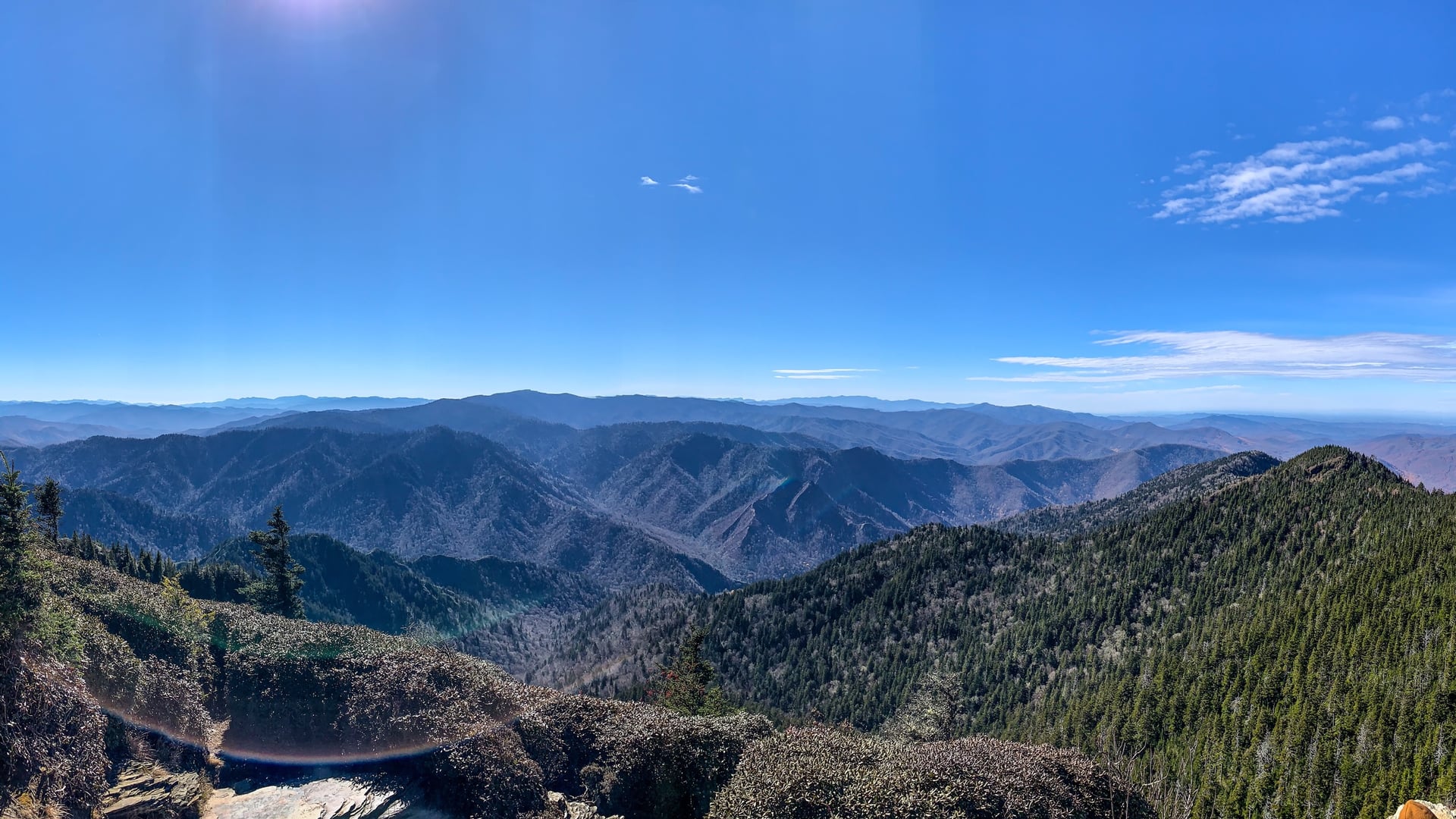
Gatlinburg, TN
Great Smoky Mountains National Park preserves 522,427 acres of southern Appalachian terrain across Tennessee and North Carolina. The land was the heart of the Cherokee Nation before forced removal in 1838 along what became the Trail of Tears, and home to Appalachian Scots-Irish and English settler communities through the early twentieth century. Congress authorized the park in 1926; it was formally dedicated by Franklin D. Roosevelt on September 2, 1940.
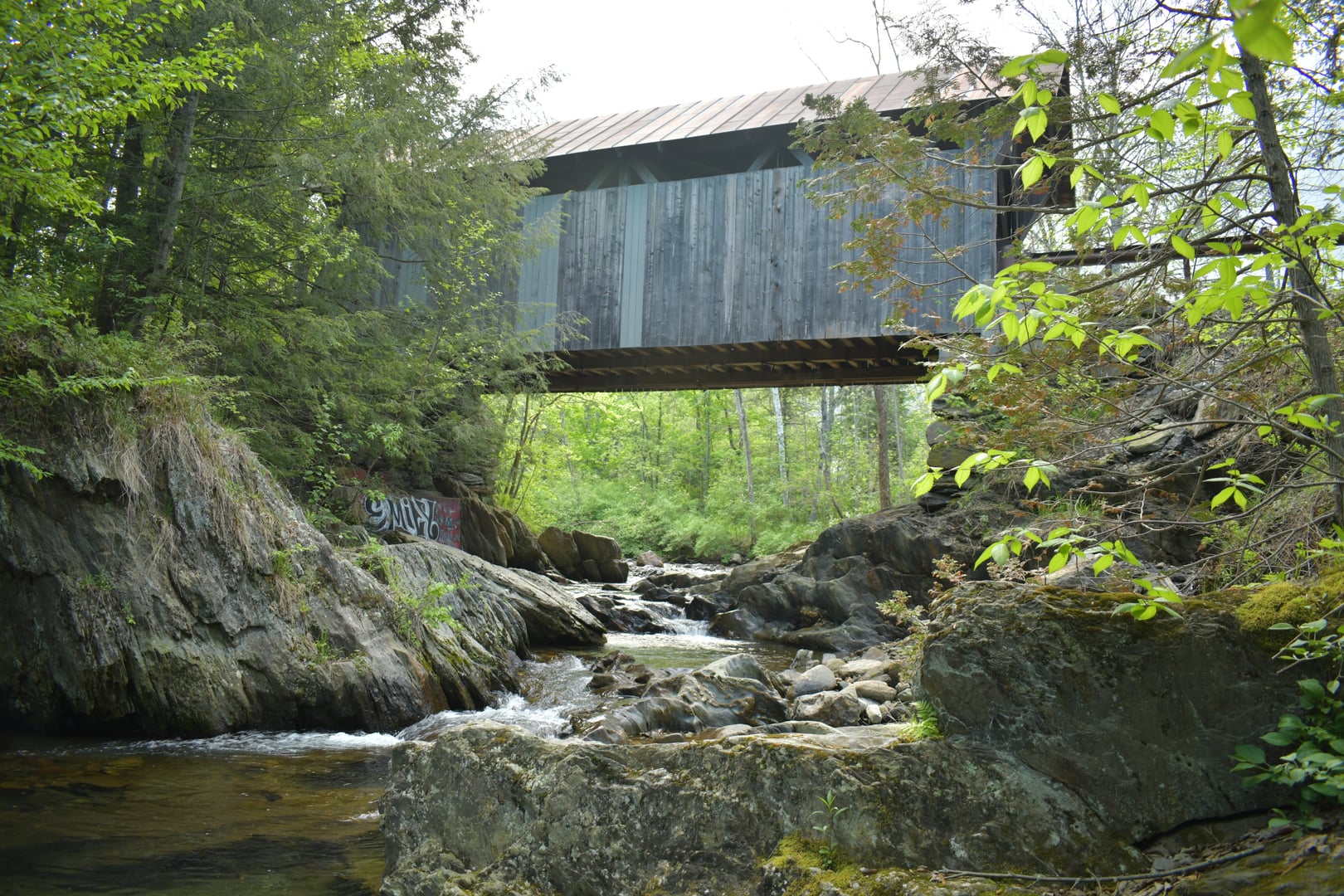
Stowe, VT
The Gold Brook Covered Bridge, locally called Emily's Bridge, was built in 1844 over Gold Brook in Stowe, Vermont. Its National Register nomination identifies it as Vermont's only timber-Howe-truss bridge carrying a public highway at that time, and it was listed on the National Register of Historic Places in 1974.
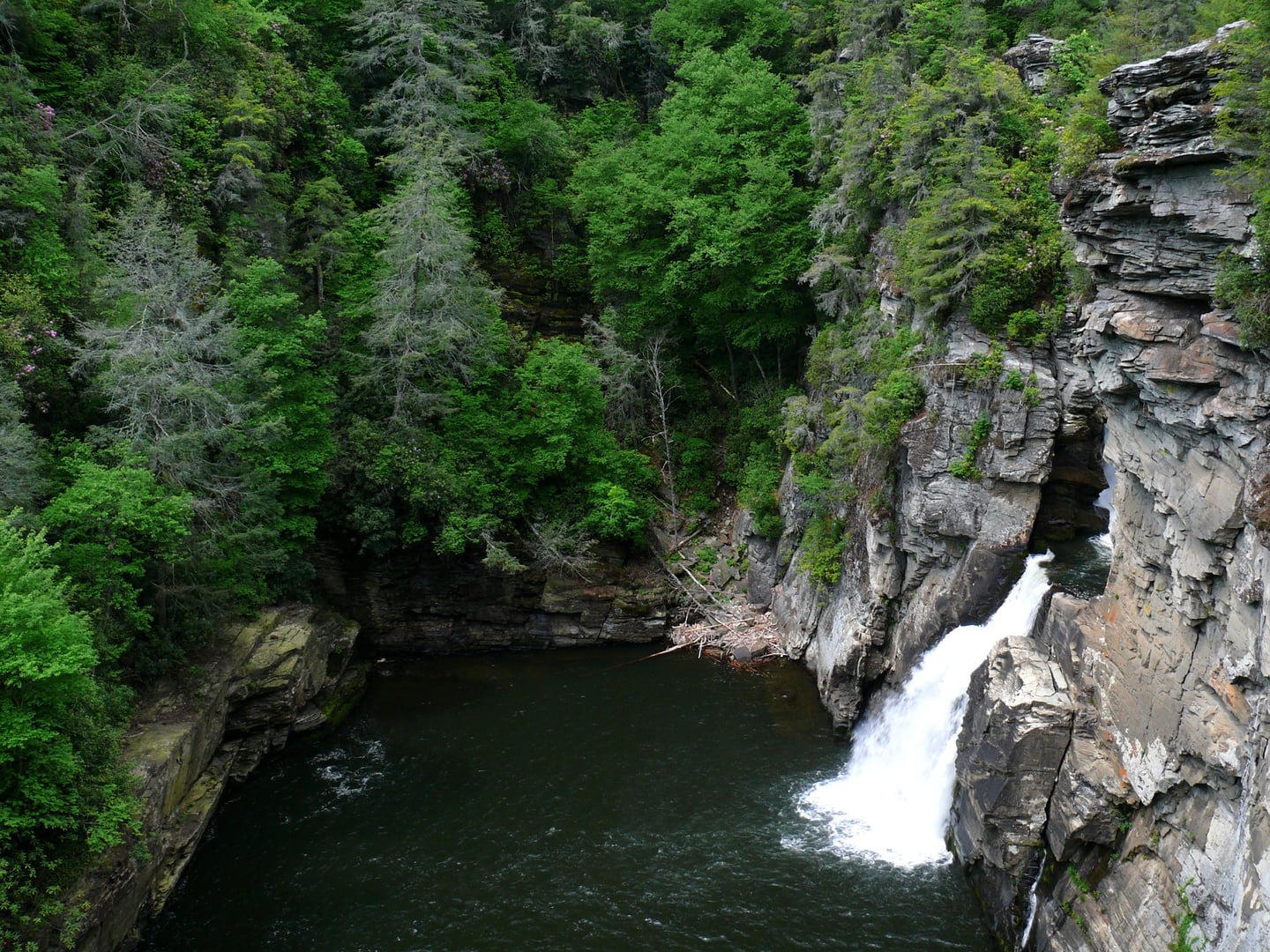
Marion, NC
Linville Gorge, carved by the Linville River through the southern Blue Ridge Mountains of Burke and McDowell Counties, is the deepest river gorge in the eastern United States. Managed as wilderness within Pisgah National Forest, the gorge has been associated with the Brown Mountain Lights phenomenon since at least 1910, when documented reports began appearing in print. USGS scientist George R. Mansfield conducted the first formal government investigation in 1922.