Eastern Kentucky coalfield railroad infrastructure · Perry County legend-tripping site · Ridge-top community cemeteries
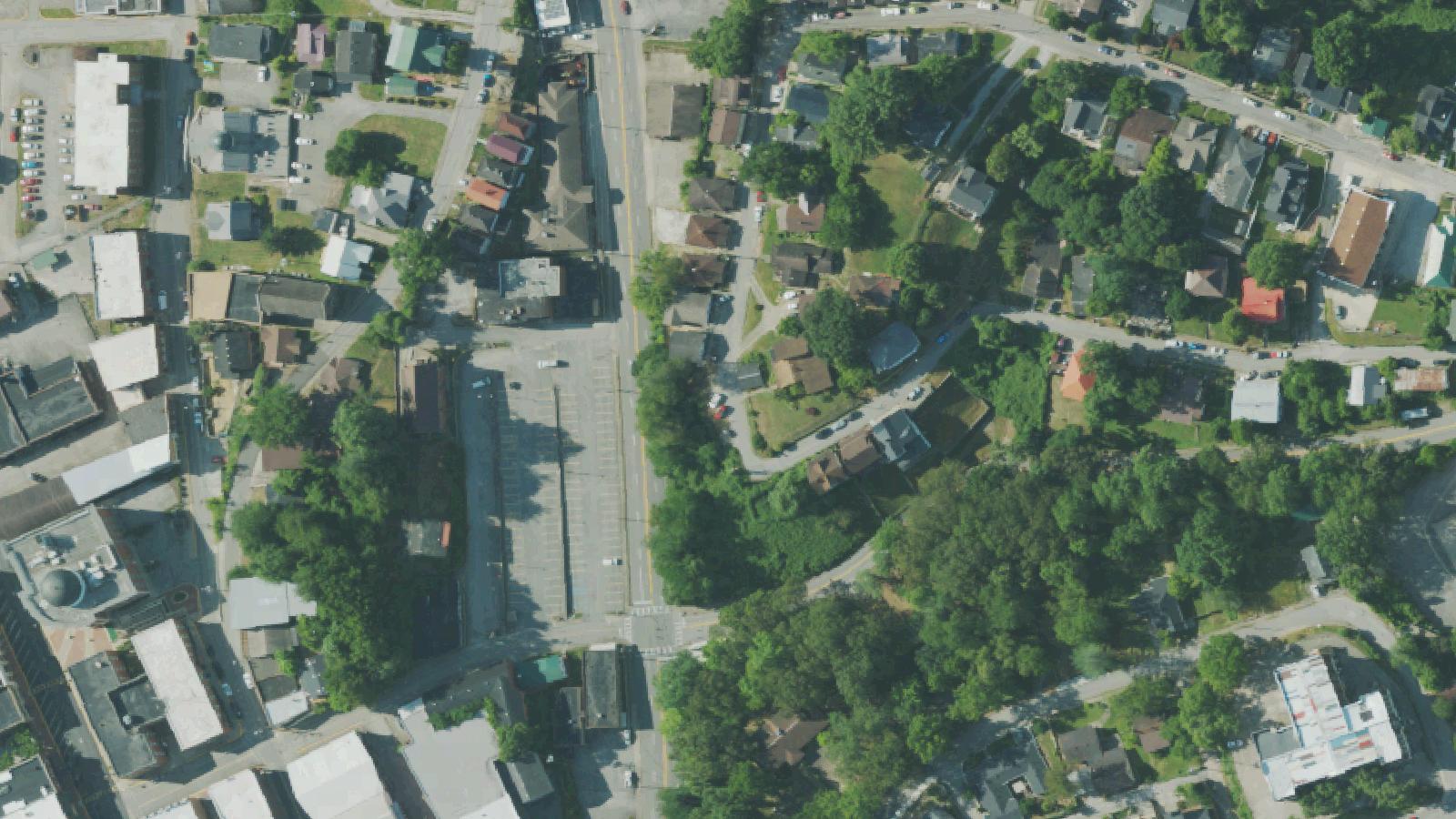
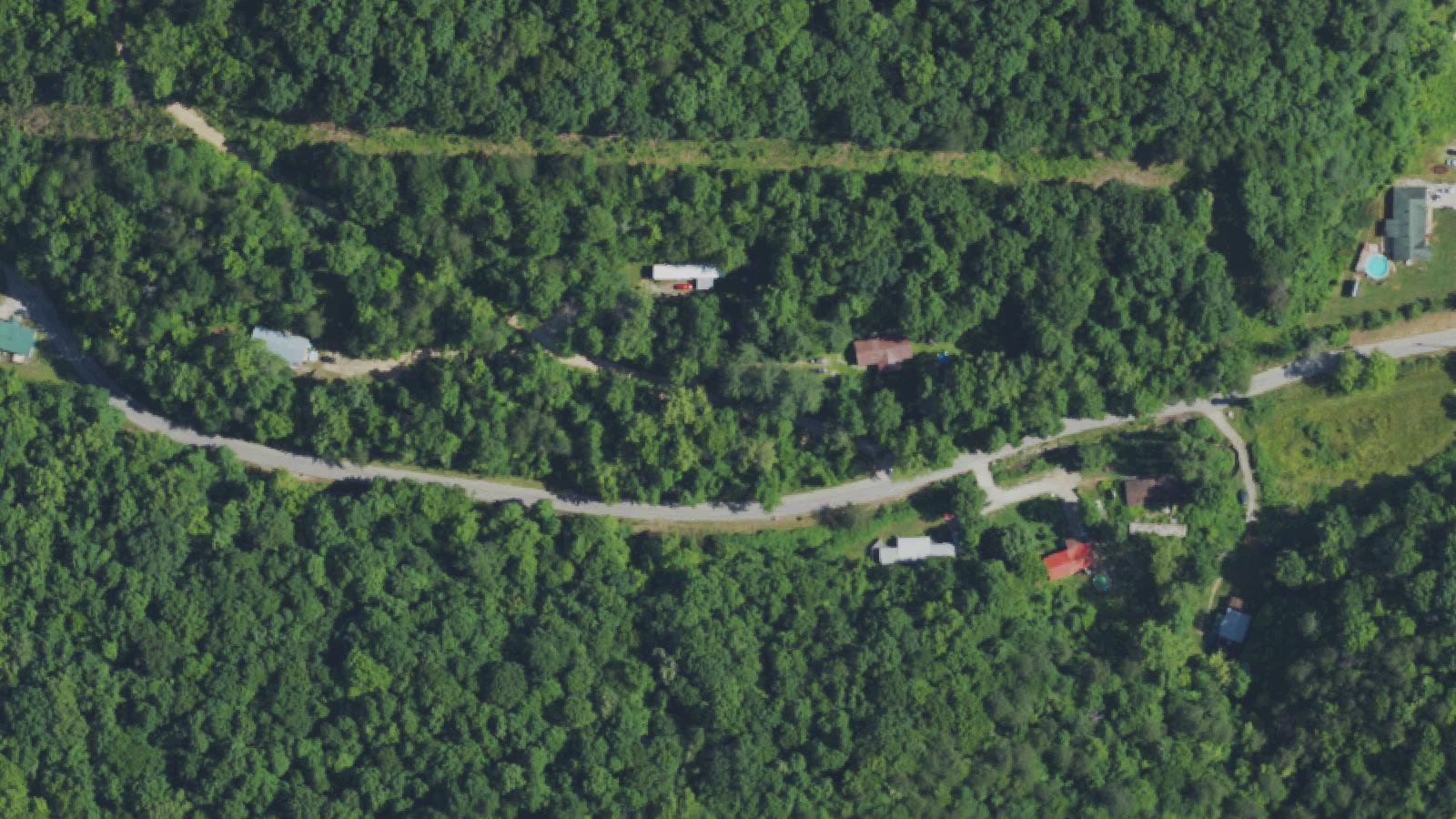
Tunnel Hill sits a couple of miles back on the rural roads of Napfor, a community near Hazard, the seat of Perry County in the eastern Kentucky coalfield. The site takes its name from a pair of railroad tunnels — known locally as the twin tunnels — cut through the ridge to carry the rail line that still serves the region's freight traffic. Two cemeteries occupy the ground on top of the ridge directly above the tunnels.
The railroads of eastern Kentucky were built to move coal out of the steep Appalachian hollows, and tunnels like these are part of that industrial infrastructure. The Tunnel Hill tunnels remain in service: trains continue to pass through them, which is the single most important fact for any visitor to understand. Entering an active rail tunnel is extremely dangerous, and the local reputation of the site for 'ghost trains' is bound up with the very real trains that run the line.
The site's modern reputation as a haunted location is documented by the Unusual Kentucky folklore project, which devoted a dedicated entry to 'Napfor's Tunnel Hill,' and it has drawn investigation by the Southeastern Kentucky Paranormal Society. Notably, that group's documented investigation reported no temperature or EMF anomalies and nothing unusual on video — and the project's own write-up records that some longtime residents living near the site have never heard of it being haunted at all. The historical record attached to the cemeteries themselves is genealogical rather than dramatic; no specific catastrophe is documented at the tunnels.
Sources
- http://unusualkentucky.blogspot.com/2008/12/napfors-tunnel-hill.html
- https://www.hauntedplaces.org/hazard-ky/
- https://www.youtube.com/watch?v=ufkJJsECuIU
Phantom train sounds and vibrationDisembodied train hornsLight drain / anomalous lightsSensed presence
The Tunnel Hill legend, as recorded by the Unusual Kentucky project and circulated through regional haunted-places indexes, centers on the twin tunnels rather than the cemeteries above them. The most-told element is a 'ghost train': legend-trippers describe hearing and feeling a train where none is visible, with faint train horns echoing through the tunnel. Given that the tunnels are part of an active, in-service rail line, this motif sits at an unusually direct intersection of folklore and real, audible infrastructure.
Other reported phenomena describe a progressive draining of light sources as one moves toward the middle of the tunnel, followed by stray lights appearing from cracks and crevices in the walls, with the right-hand tunnel said to be 'more active' than the left. The cemeteries on the ridge above are folded into the lore as a secondary attraction.
These claims should be treated as folklore. The Southeastern Kentucky Paranormal Society's documented field investigation of the site recorded no measurable anomalies, and the Unusual Kentucky write-up notes that many nearby residents are unfamiliar with the haunting tradition. The 'ghost train' sensation is plausibly explained by the genuine, ground-shaking passage of real freight trains through the tunnels — which is also why the only responsible way to experience the site is from the ridge, never inside the tunnels. Local accounts also carry vaguer 'do not go alone' warnings that reflect the real physical danger of the location more than any supernatural one.
Notable Entities
The ghost train