Appalachian Coal History · Harlan County Labor History · Kentucky Mountain Heritage
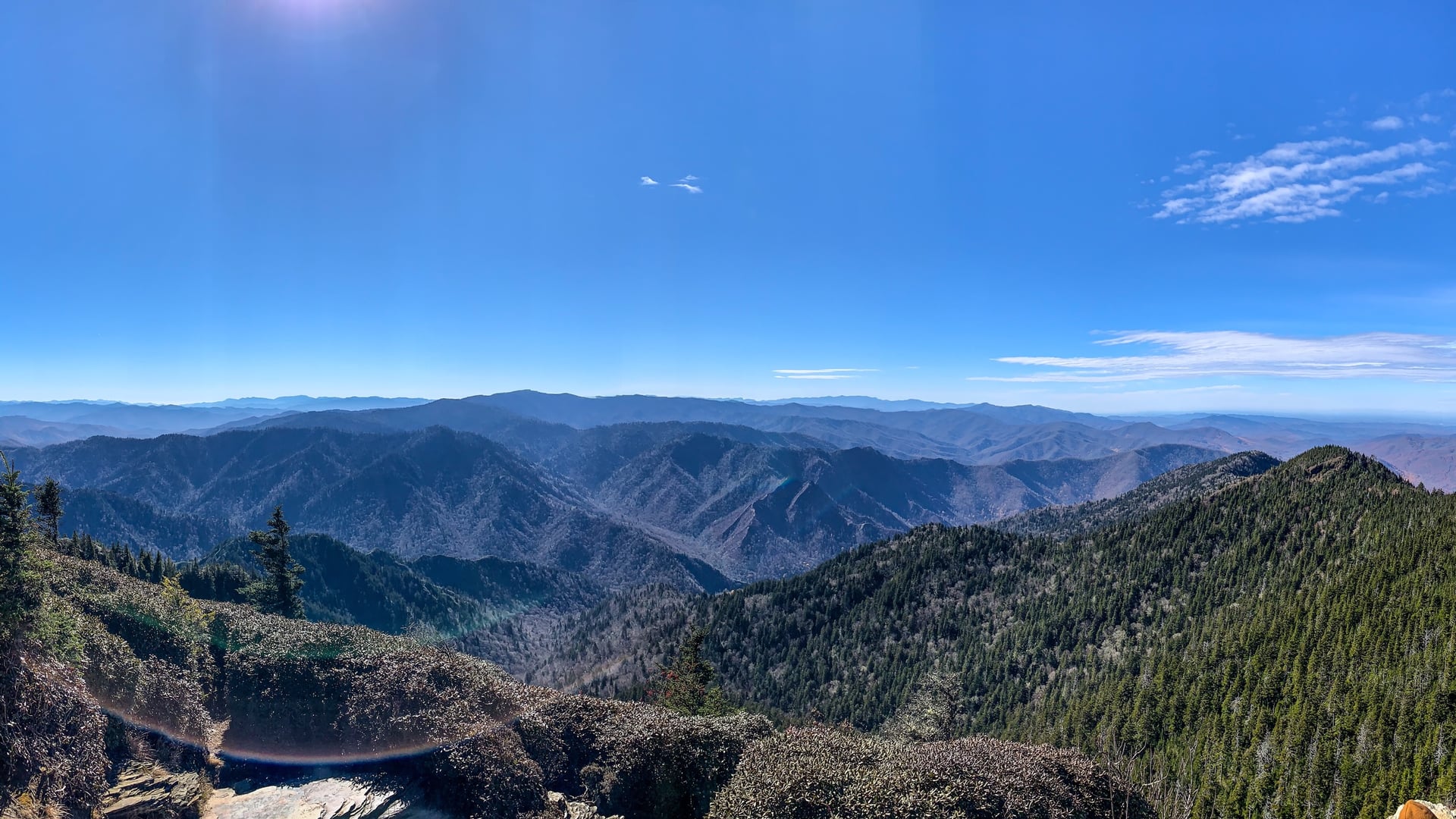
Lynch, Kentucky was developed beginning in 1917 by United States Coal and Coke Company, a subsidiary of U.S. Steel, as a model company town serving the coal seams of Black Mountain — the highest point in Kentucky at 4,145 feet. At its peak, Lynch was one of the largest coal company towns in the United States, with a population exceeding 10,000.
The mountain roads in and around Lynch carried significant traffic during the height of coal production. The Harlan County War — a period of intense labor strife and violence between coal operators and union organizers that ran through the 1930s — produced multiple deaths across Harlan County. The headless ghost legends of Harlan County mountain roads, including the widely told "Headless Annie" tradition associated with Kentucky 160 above Lynch, are frequently interpreted by regional historians as oral history encoding the real violence of that period.
Sources
- https://appalachianhistorian.org/headless-annie-of-black-mountain-ghost-story-of-a-class-war/
- https://en.wikipedia.org/wiki/Lynch,_Kentucky
- https://explorekyhistory.ky.gov/items/show/554
- https://www.achp.gov/preserve-america/community/lynch-kentucky
ApparitionsShadow figuresEquipment malfunction
The headless figure on Lynch Mountain Road belongs to a category of Appalachian mountain-road legends widespread across Harlan County. The most widely told regional version — the "Headless Annie" tradition — is specifically tied to Kentucky 160 above the Lynch and Benham communities, where it is historically interpreted as a piece of oral folklore encoding the violence of the 1930s Harlan County War.
The Lynch Mountain account follows the structure of this tradition: a figure without a head that moves alongside passing vehicles at night, keeping pace with the car before fading. Drivers have reported headlights flickering without mechanical cause and engines interrupting while on the road.
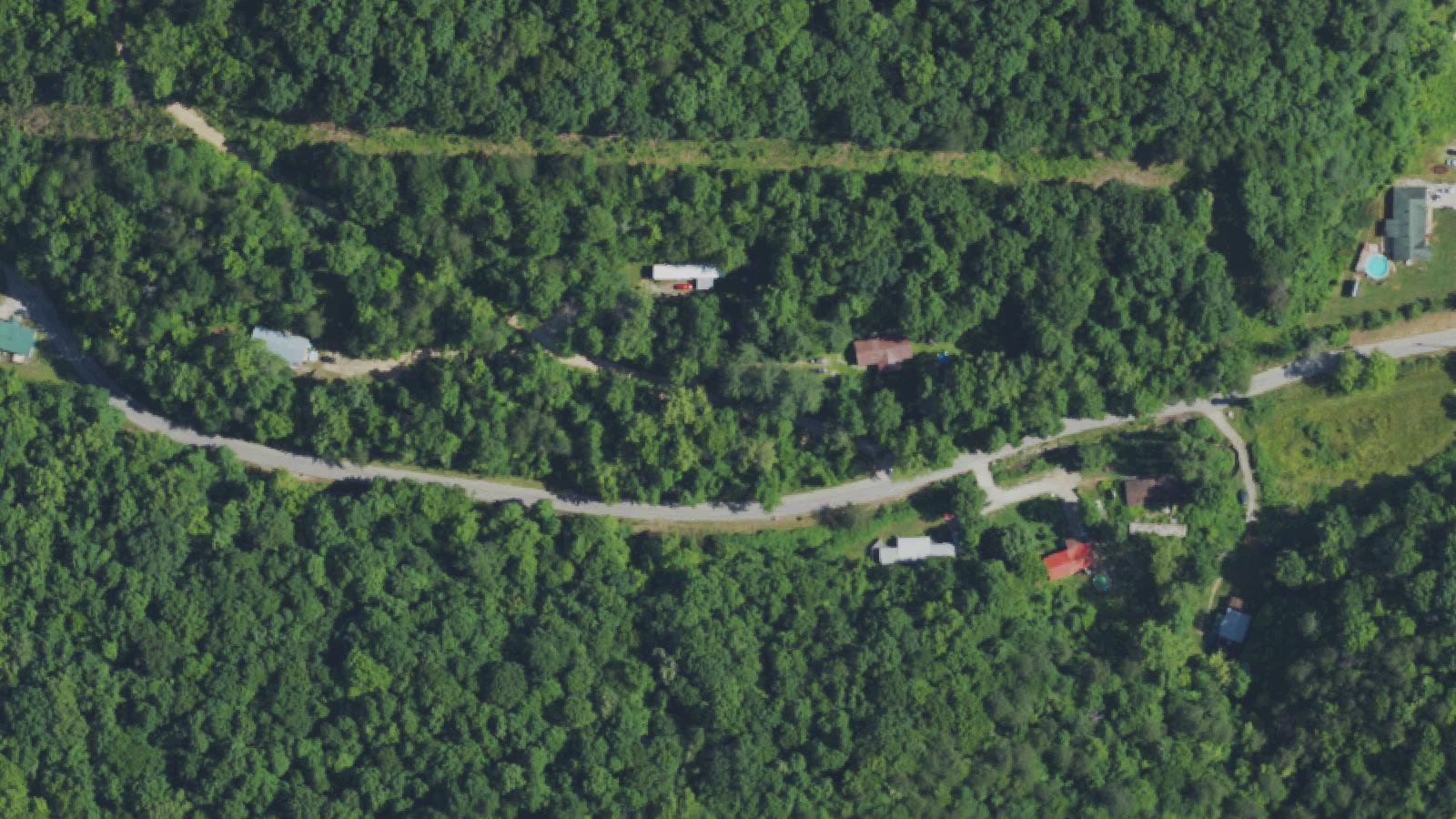
A secondary account describes a house along the road where two red points of light are visible at night from the direction of the windows — described as eyes, watching the road. The house and its occupant or history are not identified in any accessible source.
The connection between these accounts and the historical violence of the Harlan County coalfields — where multiple people died on mountain roads during the labor conflicts of the 1930s — is explored in Appalachian folklore studies as an example of traumatic history reshaping into legend over generations.