Est. 1895 · Bi-Metallic Building dates to 1895 as a hotel and saloon · Housed the Oasis Rooms brothel until a sudden 1988 closure · Preserved as a time capsule and opened as a museum in 1993 · Documented record of legal-grey-area sex work in a Western mining town
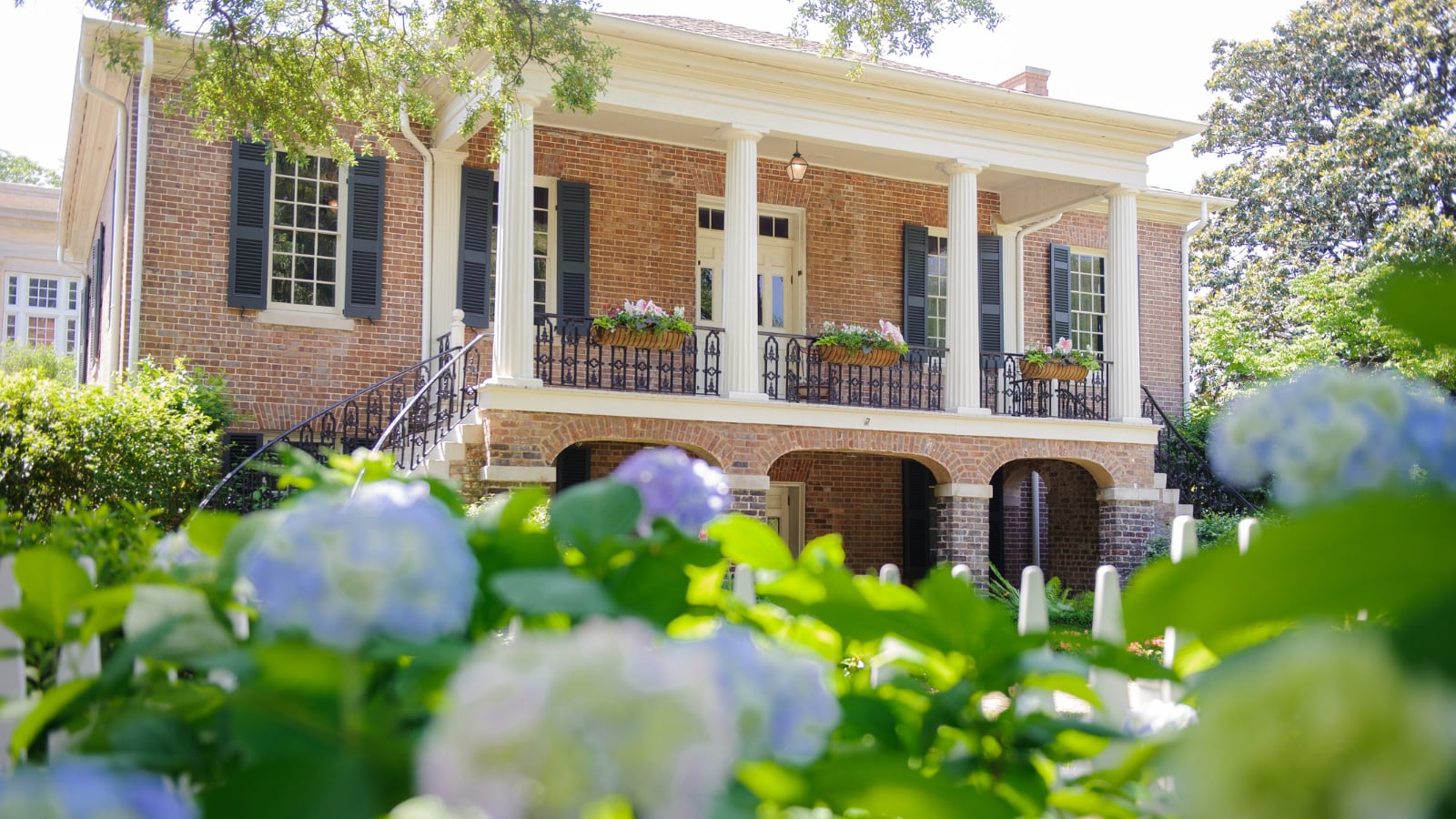
Wallace, in Idaho's Silver Valley, was a mining town where commercial sex operated semi-openly for decades. By some accounts five brothels ran along the main street into the late 20th century, treated by the town as a tolerated part of mining-era commerce. The building at 605 Cedar Street, known as the Bi-Metallic Building, dates to 1895 and began as a hotel and saloon.
The Oasis Rooms operated on the upper floor. Local accounts place the business in continuous operation for years, with the madam known as Ginger running it in its final stretch. On June 23, 1988, the staff received word of a federal raid — a tip they had reportedly acted on before — packed a bag, and left town. This time they did not return. Clothing, furnishings, food in the cupboards, a grocery bag on the kitchen counter, and the printed list of services and prices stayed exactly where they were.
In 1993 a local businessman bought the building and opened it as the Oasis Bordello Museum, leaving the rooms as the women had abandoned them. The guided tour draws on information gathered from former workers, maids, and clients to explain how the place ran and why it emptied so suddenly. The museum has been covered as a preserved piece of Western vice history by outlets including Atlas Obscura, Boise television station KIVI, and the Intermountain Histories project run by regional universities.
Sources
- https://www.atlasobscura.com/places/oasis-bordello-museum
- https://www.kivitv.com/news/idahos-hidden-history-perfectly-preserved-at-oasis-bordello-museum
- https://www.intermountainhistories.org/items/show/122
- https://www.legendsofamerica.com/oasis-bordello-museum/
Women's voices in the empty upstairs roomsSmell of pipe smoke or perfume
Unlike several other Wallace buildings, the Oasis does not have a deep or consistent haunting tradition in the documentary record. Its reputation rests on the preserved rooms and the story of the 1988 walkout, which is unsettling on its own terms — a workplace left mid-shift and frozen for decades.
The paranormal claims that do attach to the building are minor and secondhand: visitors and staff occasionally describe disembodied women's voices in the upstairs rooms and the smell of pipe smoke or perfume where no source is present. These are the kinds of sensory reports common to old, heavily-storied buildings, and they are not central to how the museum presents itself.
The museum's interpretive focus is the women who worked there and the economic and social reality of a tolerated trade in a mining town, told without sensationalism. Visitors interested in the paranormal will find atmosphere; visitors interested in social history will find the better-documented story.
Where this legend is told