State guide · 12 documented locations
Haunted Hawaii
Hawaii has 12 documented haunted locations in the HauntBound index. 12 are rated family-friendly, 6 take bookings.
Hawai'i's haunted landscape is quieter and more careful than the mainland's. The stories here cluster around grand old hotels on Waikiki and the Kona coast, places where guests and staff have passed down decades of reported apparitions inside buildings that welcome visitors every day. HauntBound treats the islands' sacred sites and burial grounds as history first, not tourist stops, and holds that line here too. There is no dedicated Hawai'i trail guide. The national route and its companion guide cover the wider Pacific region, and this page exists to document what's here respectfully, one hotel at a time.
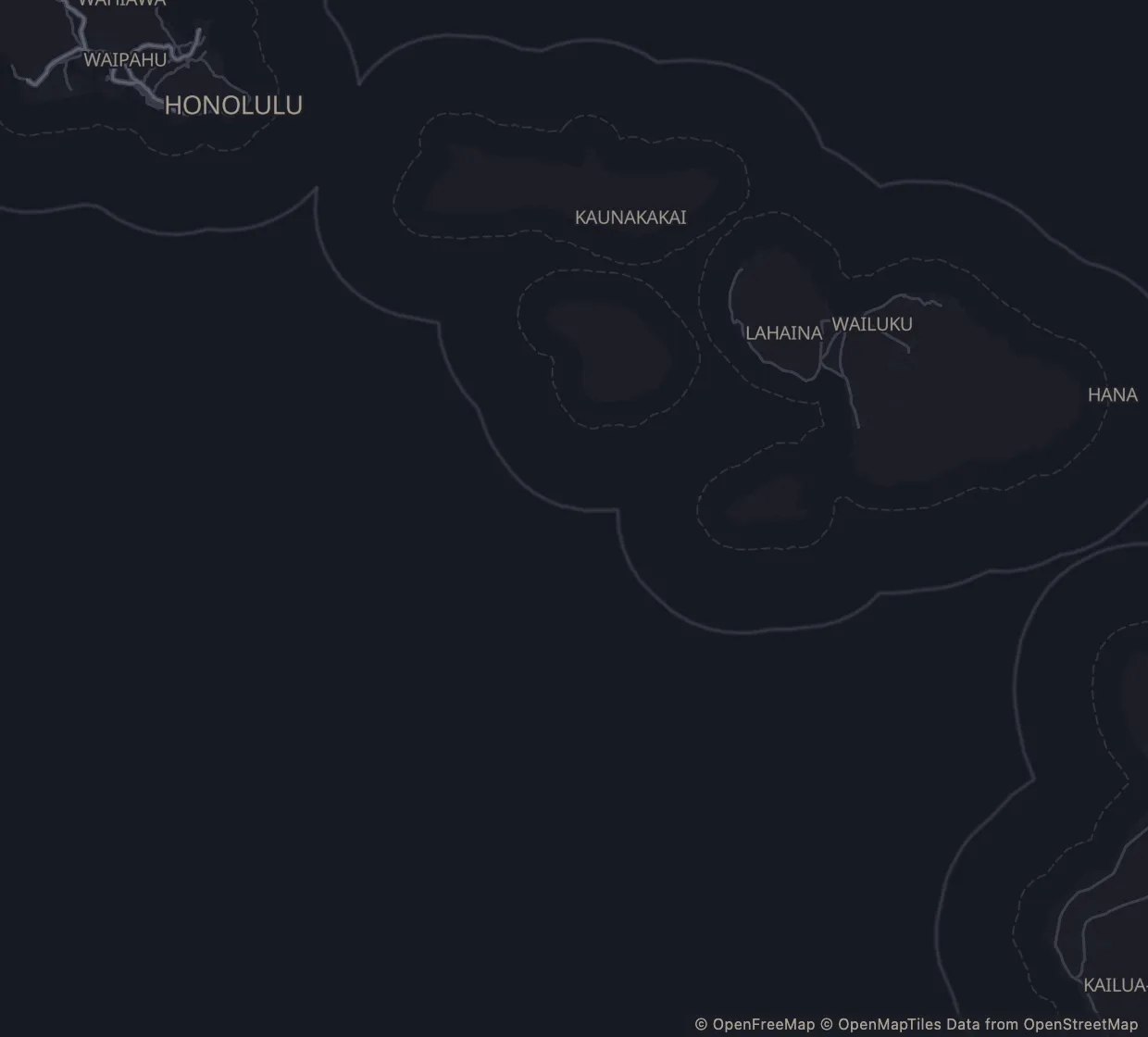
Ranked by depth of evidence
The most haunted places in Hawaii
Independent sources, documented history, how far back the reports go. Not legend, and never a commission.
- Hawaii's Plantation Village Waipahu · Museum / Historical Site
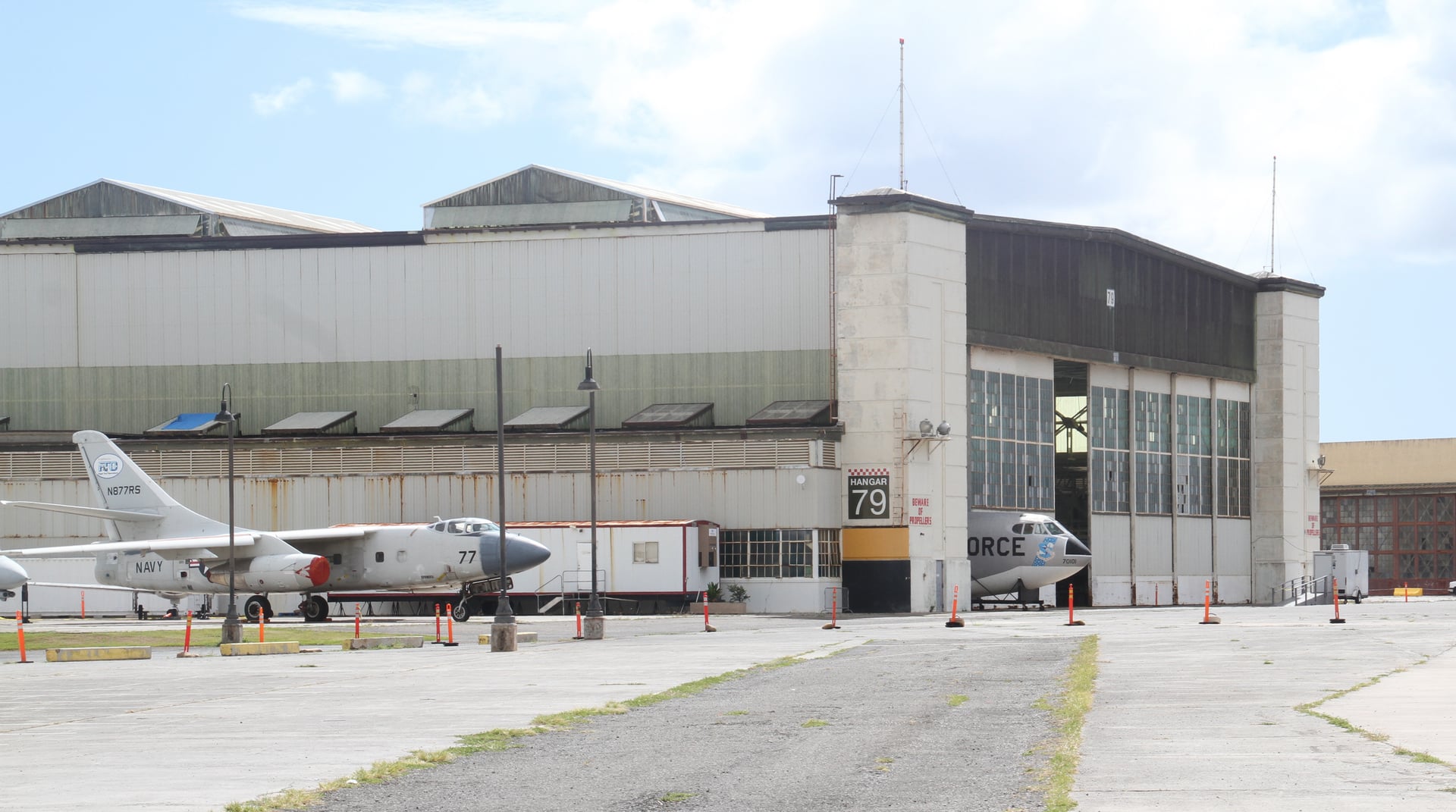
- Pacific Aviation Museum Pearl Harbor (Hangar 37 & 79) Honolulu · Museum / Historical Site
- Hawaiʻi Theatre Honolulu · Theater / Performance Venue
- Hilton Hawaiian Village Beach Resort & Spa Honolulu · Haunted Hotel / Inn
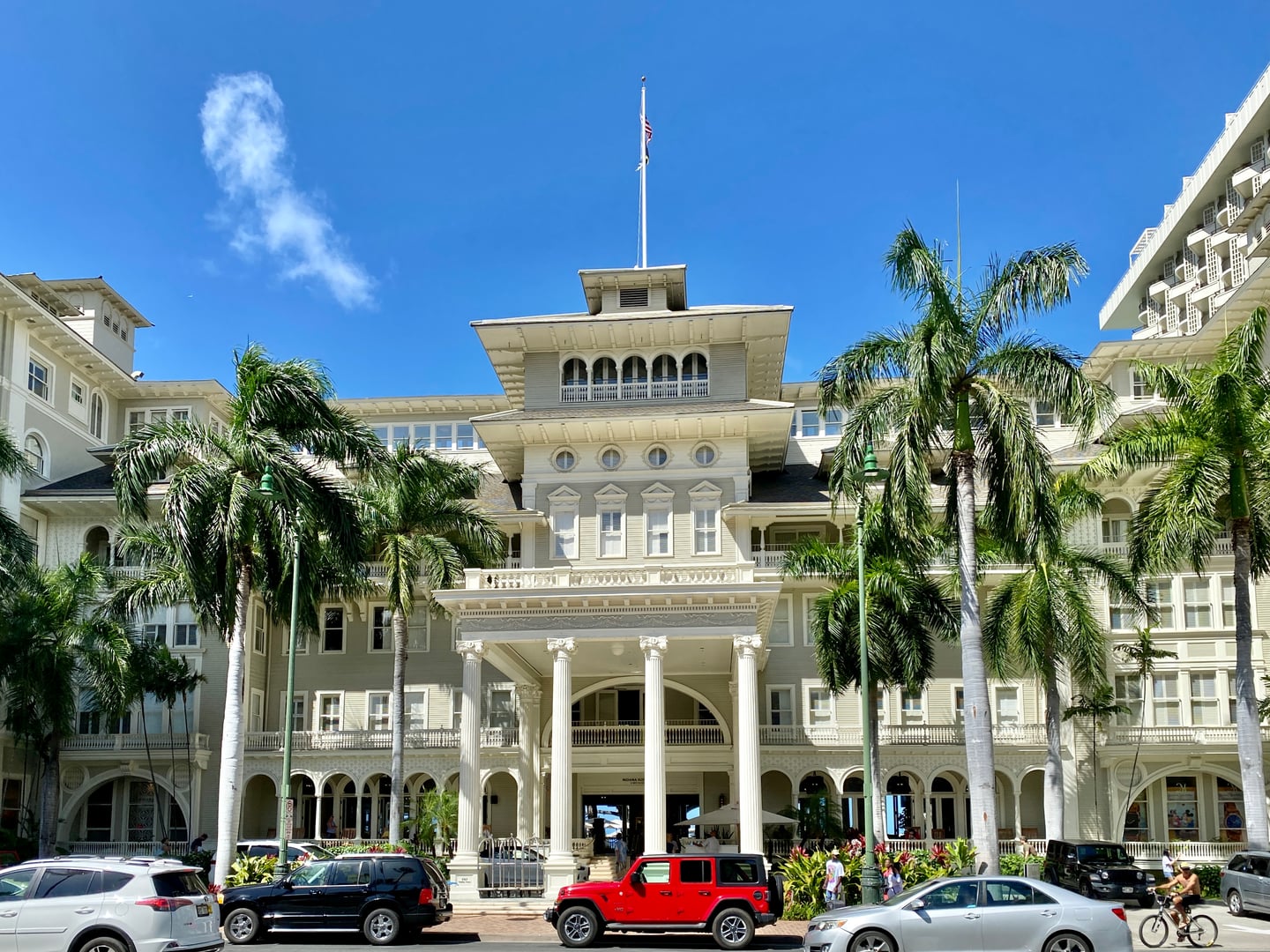
- Moana Surfrider (the Moana Hotel) Honolulu · Haunted Hotel / Inn
All 12, in one place
Browse Hawaii by region
Pick a region, city or type and the list and the map narrow together.
Oahu
9Collapse
- Hawaiʻi TheatreHonolulu · Theater / Performance VenueHigh
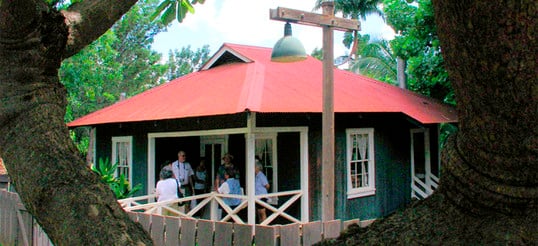
- Hawaii's Plantation VillageWaipahu · Museum / Historical SiteModerate
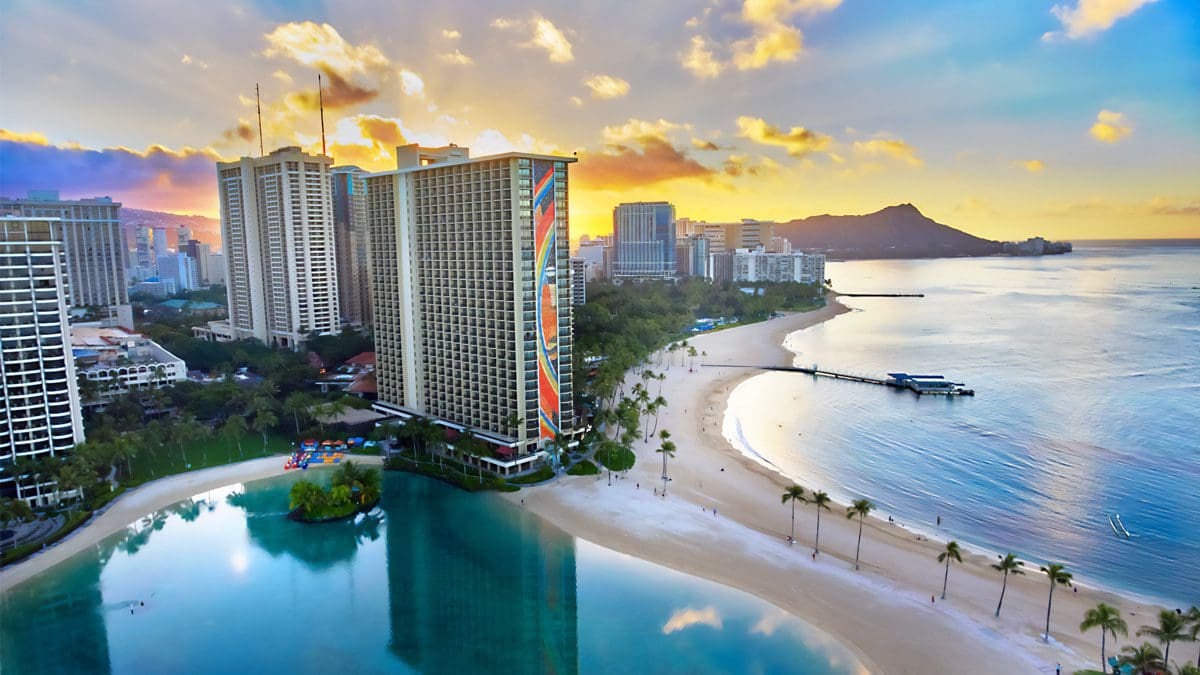
- Hilton Hawaiian Village Beach Resort & SpaHonolulu · Haunted Hotel / InnHigh
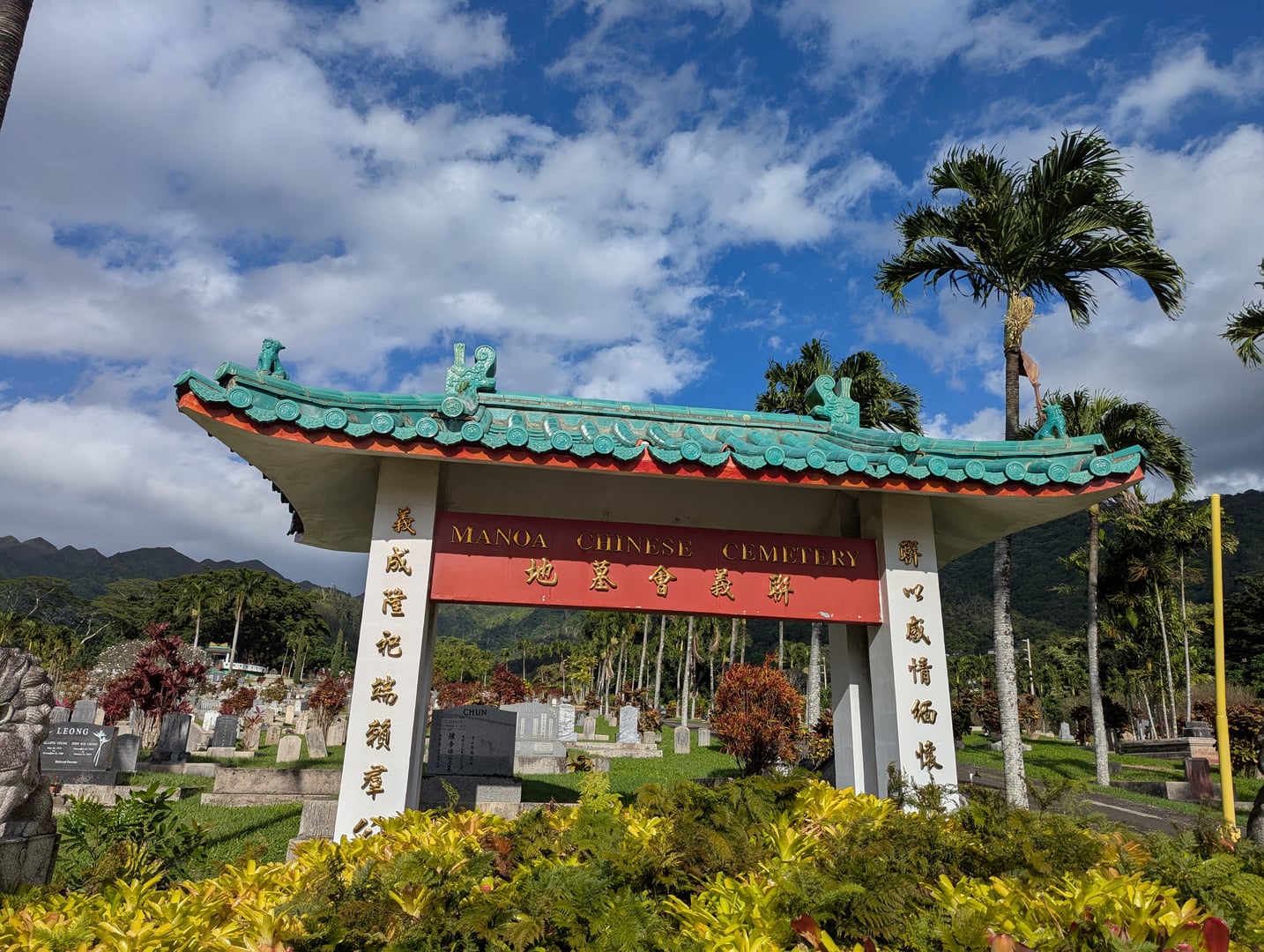
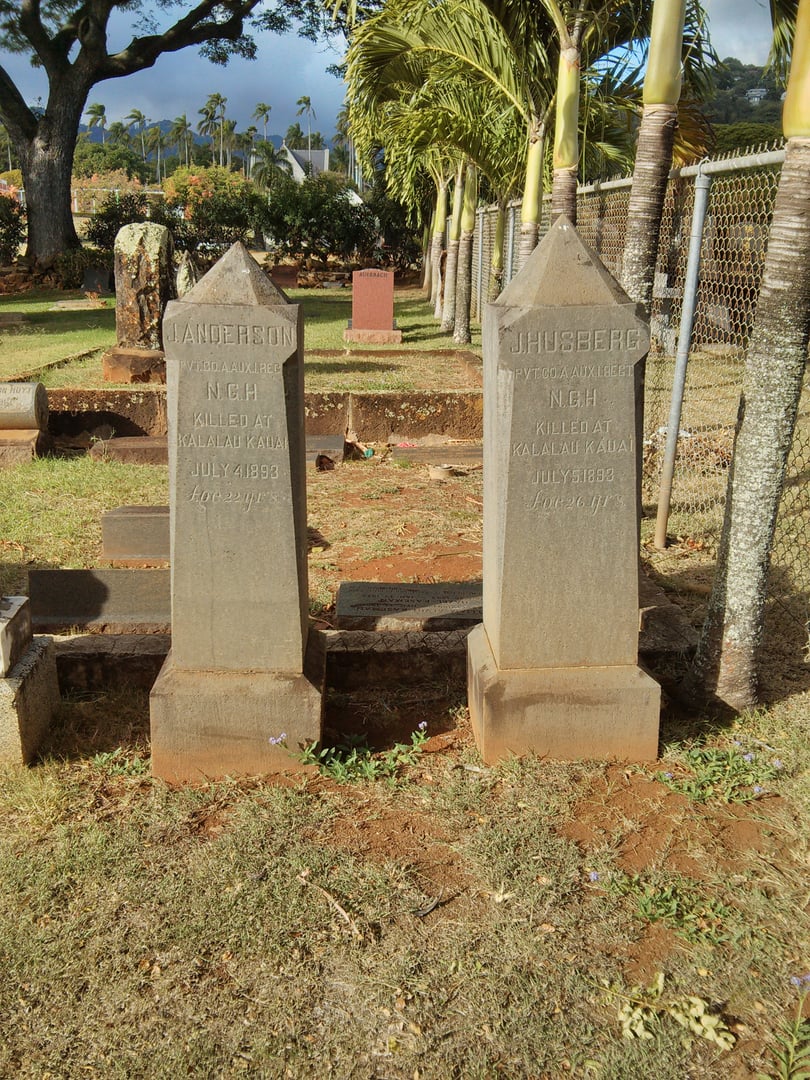
- Manoa Chinese CemeteryHonolulu · Cemetery / Burial GroundModerate
- Moana Surfrider (the Moana Hotel)Honolulu · Haunted Hotel / InnHigh
- Oʻahu CemeteryHonolulu · Cemetery / Burial GroundModerate
- Pacific Aviation Museum Pearl Harbor (Hangar 37 & 79)Honolulu · Museum / Historical SiteHigh
- Waikiki Parc Hotel (now Halepuna Waikiki by Halekulani)Honolulu · Haunted Hotel / InnHigh
- Waipahu Sugar Mill Road (Kipapa Gulch S-Turn)Waipahu · Outdoor / Natural SiteHigh
Maui
2Collapse
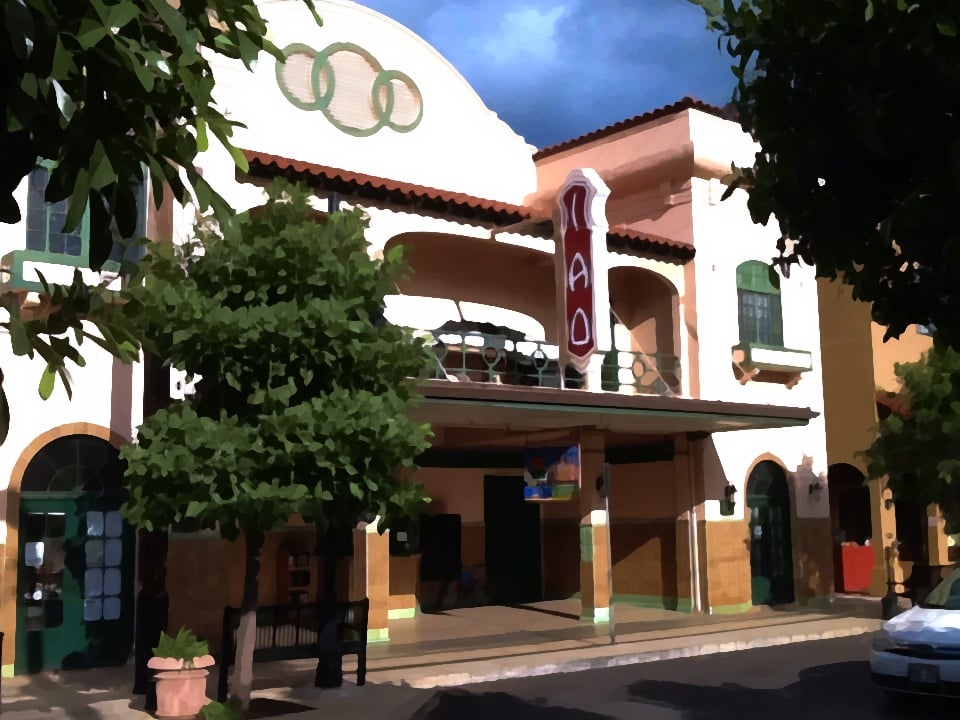
- Iao TheaterWailuku · Theater / Performance VenueHigh
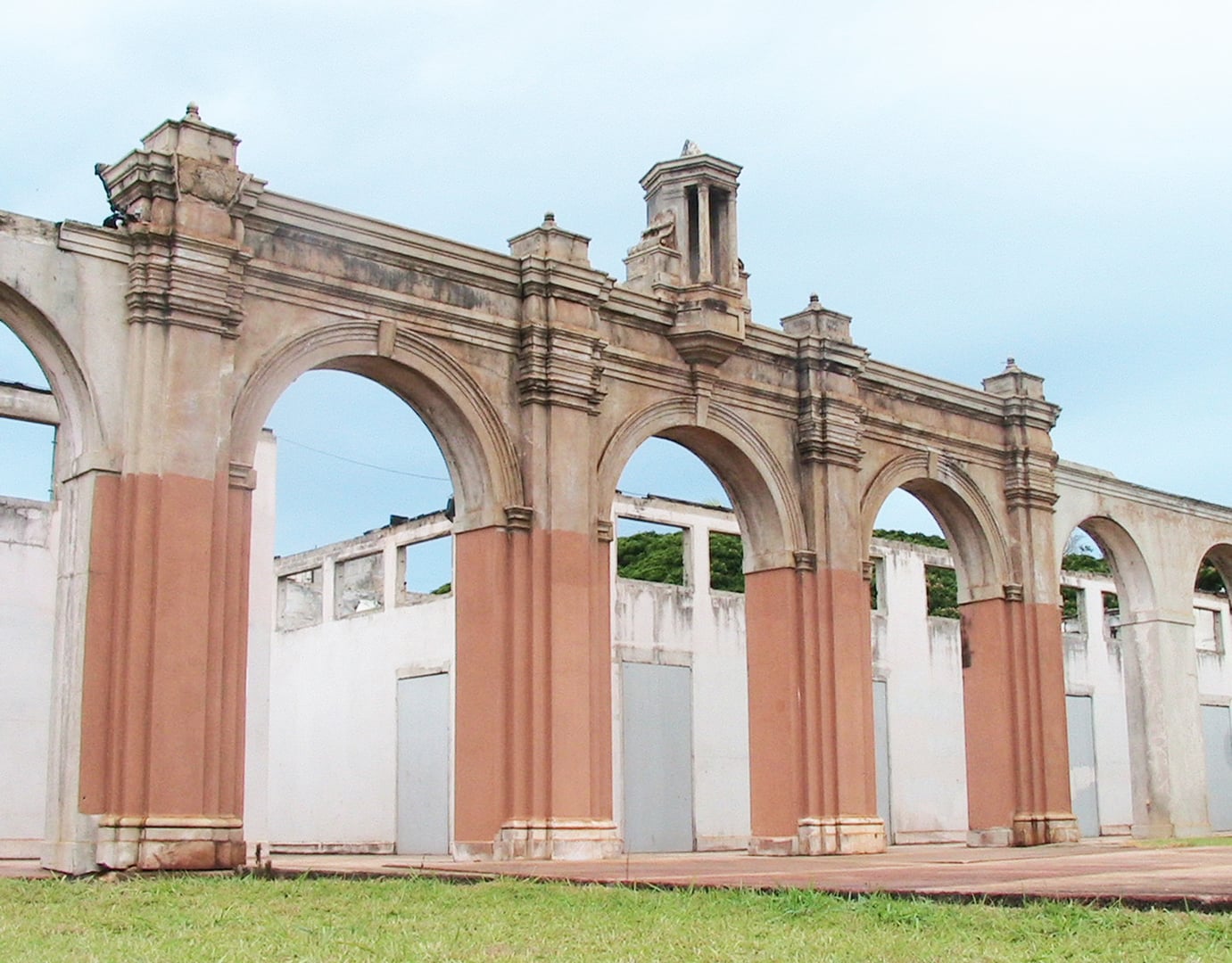
- Old Maui High School (Hamakuapoko)Paia · Other Dark Tourism SiteModerate
Big Island
1Expand
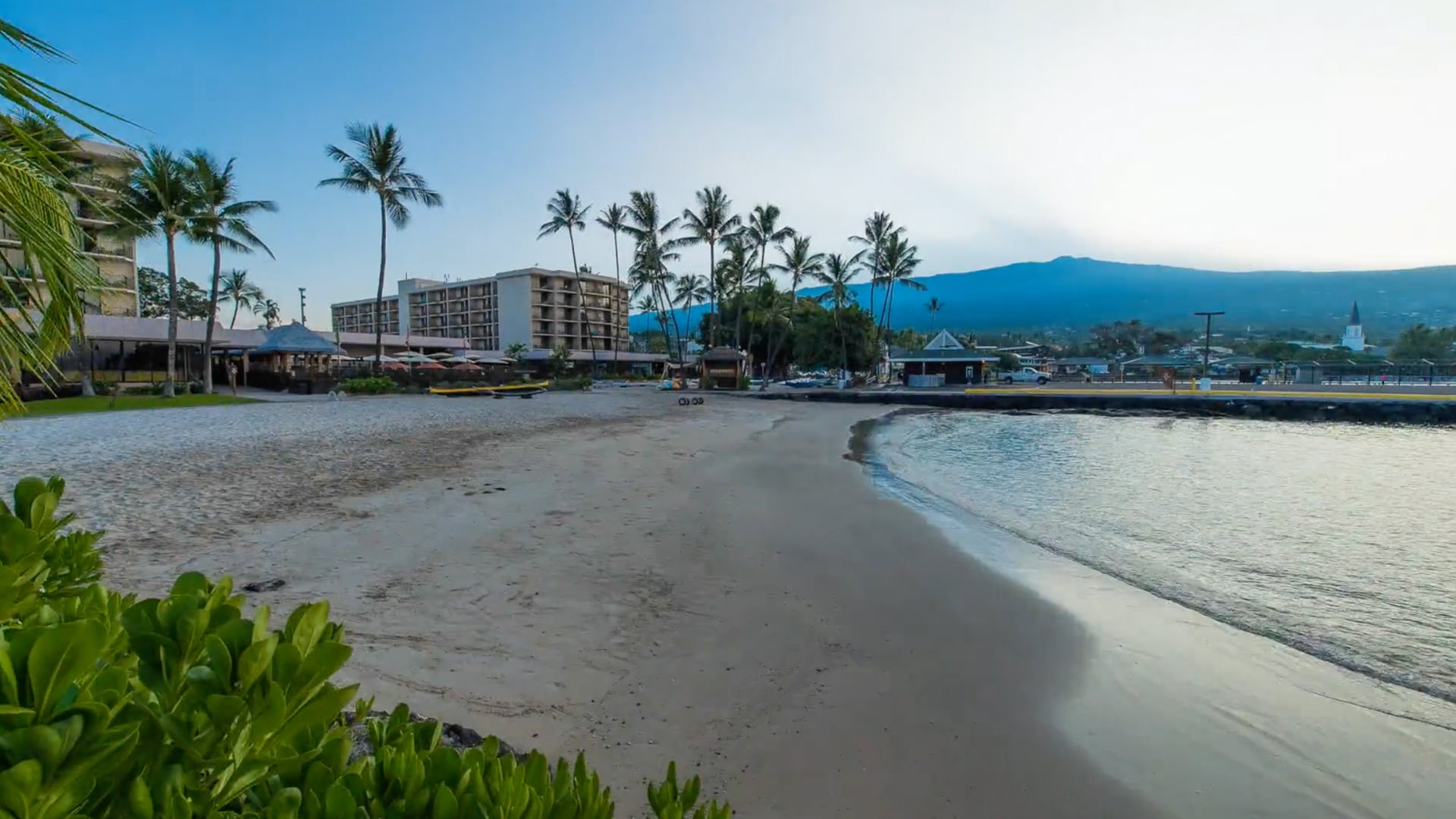
- Courtyard by Marriott King Kamehameha's Kona Beach HotelKailua-Kona · Haunted Hotel / InnHigh
By city
By type
The Hawaii Haunted Trail
Every trail-eligible stop on one regional map. See the network first, then take the route.
Open the trail map →The weekend field guide
Drive order, drive times, the full stories, printable. One email; unsubscribe any time.
Neighbouring states
Also for Hawaii
12 published locations; counts refresh with every build.