Est. 1864 · Civil War Battlefield · Atlanta Campaign · State Historic Site
On the afternoon of May 27, 1864, two days after the Battle of New Hope Church, Major General Oliver O. Howard led roughly 14,000 Union troops in an attempt to outflank the Confederate right near Pickett's Mill, in what is now Paulding County, Georgia. Confederate Major General Patrick Cleburne, with about 10,000 men, anticipated the move and fortified positions in the dense terrain. The resulting engagement was short and one-sided: Union forces sustained approximately 1,600 casualties; Confederate losses were near 500.
The defeat slowed Sherman's drive toward Atlanta and remained a sore subject in Union memory. Veteran and author Ambrose Bierce, who fought at Pickett's Mill, later wrote the bitter essay "The Crime at Pickett's Mill," which preserved the engagement in literary memory at a time when the battle was being deliberately overlooked in official accounts.
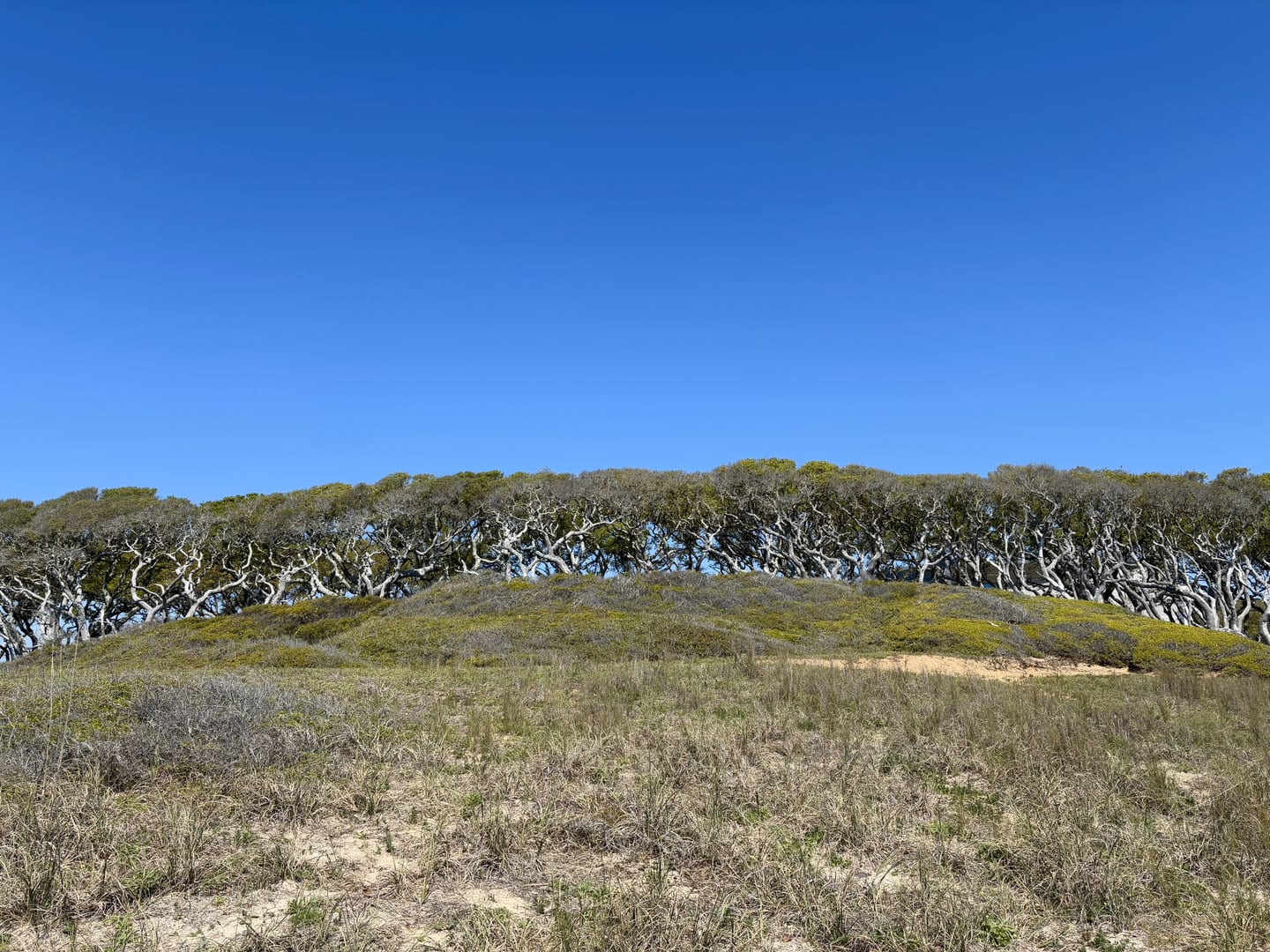
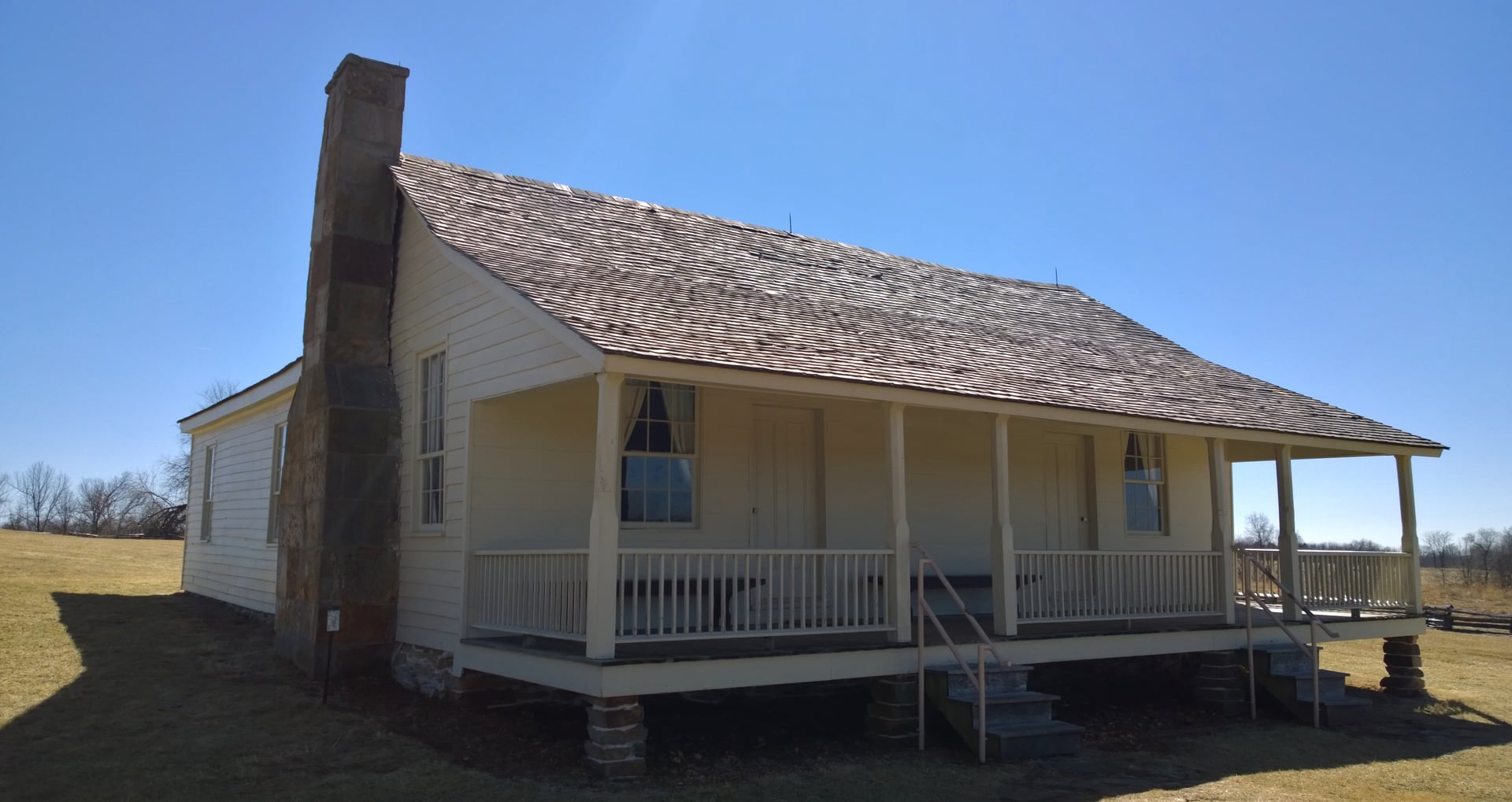
The battlefield remained largely undeveloped for more than a century. Beginning in 1973 the State of Georgia gradually acquired the 765-acre site, and the park opened to the public as the Pickett's Mill Battlefield Historic Site in 1990. Surviving earthworks, original troop roads, and an 1800s pioneer cabin are still visible. The visitor center includes exhibits and a short film, and the surrounding terrain remains close to its 1864 condition.
Sources
- https://gastateparks.org/PickettsMillBattlefield
- https://en.wikipedia.org/wiki/Battle_of_Pickett's_Mill
- https://www.georgiaencyclopedia.org/articles/history-archaeology/battle-of-picketts-mill/
- https://www.battlefields.org/learn/civil-war/battles/picketts-mill
Apparitions
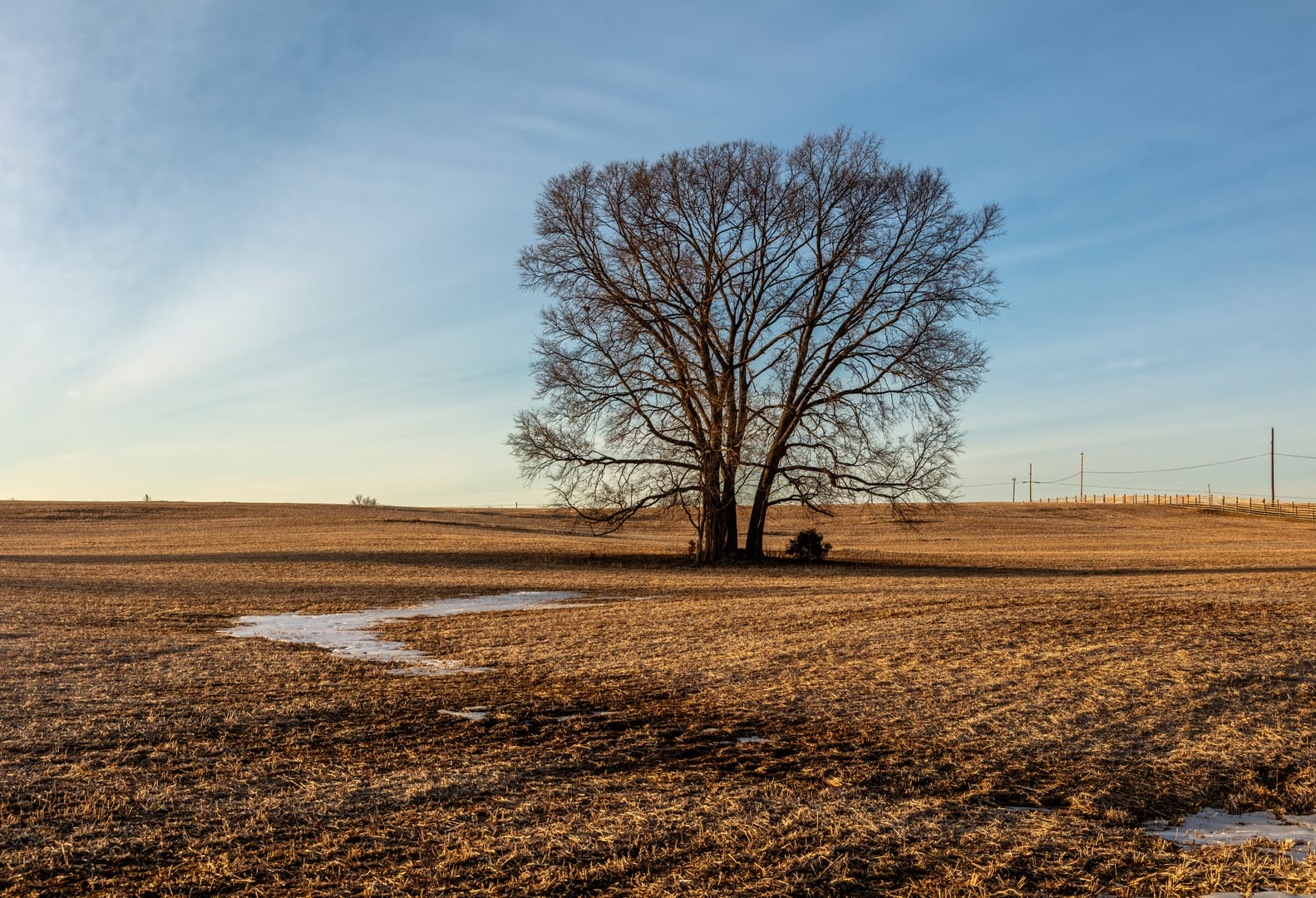
The original Shadowlands report on Pickett's Mill Battlefield is brief: a misty figure runs between two trees and disappears. Beyond that single description, available sources do not contain corroborated witness accounts, named entities, or media coverage tied specifically to paranormal activity at the site.
This is consistent with how Civil War battlefields tend to register in regional folklore. The atmosphere of preserved engagement ground — silent earthworks, an undisturbed forest floor, the knowledge that more than two thousand casualties fell in a single afternoon — generates ambient ghost stories that rarely cohere into specific named figures or recurring incidents. Park interpretation focuses entirely on the documented battle, the topography, and the experience of the soldiers who fought there.