Est. 1822 · Early Georgia Mountain Settlement · Methodist Church History · Slave Cemetery and Memorial · Cherokee Territory
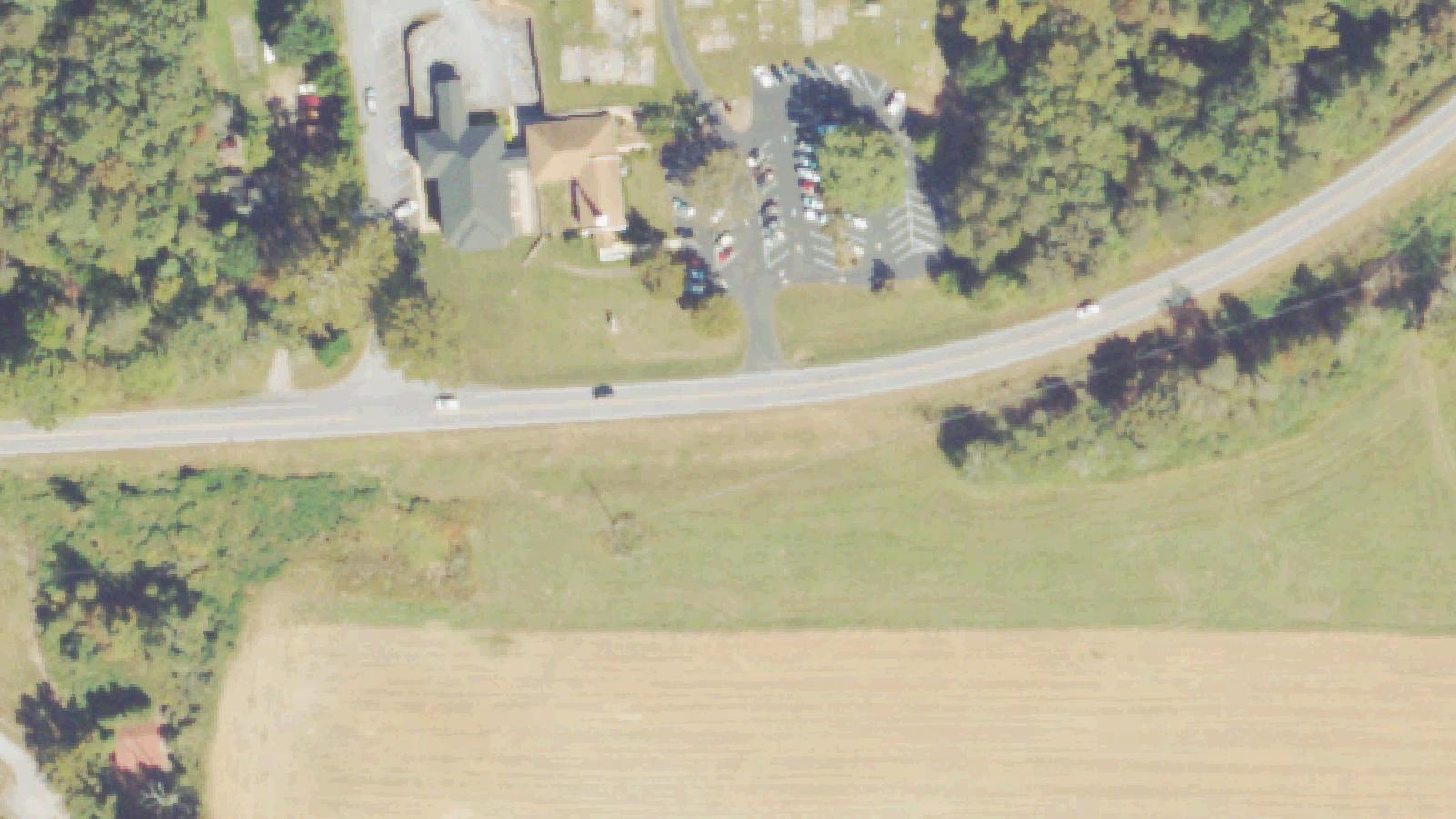
The Nacoochee Methodist Church occupies a site in the Sautee-Nacoochee Valley where a Methodist church has stood since the early 1820s, making it one of the earliest established religious communities in the Georgia mountains. The valley itself had been Cherokee territory before the Federal government's removal policies of the 1830s.
In 1836, Major Edward Williams deeded six acres to the Methodist Episcopal Church for use as the church site and burial ground, at the death of his wife — a formal land transfer that gives the cemetery a legal founding date even as the informal use of the site preceded it.
The cemetery has been maintained over nearly two centuries and now contains over 700 identified graves. The Nacoochee Remembrance Garden, opened in 2012, provides a designated space for the scattering of ashes in the oldest section. The cemetery's records reflect the full stratified social order of 19th-century North Georgia: the graves of early white settlers, their families, and the enslaved people who worked their land. The 1992 Onesimus Monument was installed near the slave graves as a joint project of the Bean Creek Baptist Church and the Nacoochee Methodist Church, honoring those buried in unknown or unmarked locations.
The historical marker on the property, maintained by the Georgia Historical Society, records the church's founding and its connection to the valley's earliest settlement.
Sources
- https://www.findagrave.com/cemetery/35698/nacoochee-united-methodist-church-cemetery
- https://www.georgiahistory.com/ghmi_marker_updated/white-methodist-church/
- https://sauteewebsites.com/cemeteryWebsite/cemetery/cemetery.php
Phantom soundsPhantom voices
The grave itself is the most tangible element of the legend: a small structure built over a child's burial — not a full-size monument, but something more domestic and more specific, built to keep the rain off. The father who built it had a practical motivation, or a grief that expressed itself practically, and the structure has remained as a permanent record of that act.
The legend adds two darker elements. The man who killed the girl was hanged on the church property, the accounts say — a proximity of execution and burial that would have been visible to anyone at the cemetery, the condemned man's end and the child's grave within sight of each other. Whether this reflects a historical reality or an elaboration of the account over time is not established in available sources.
Visitors who stand at the grave have reported hearing what they describe as the crying of a child. The sound is described as soft and recurring rather than startling — present, then absent, with the quality of something very far away.