Est. 1826 · Kentucky Tragedy · Early American True Crime · Literary Influence · 19th Century Burial Grounds
The Beauchamp-Sharp Tragedy of 1825 was one of the most widely reported American crimes of the early nineteenth century. Solomon P. Sharp, a Kentucky legislator and former state attorney general, was stabbed to death at his Frankfort home in the early morning hours of November 7, 1825, by Jereboam O. Beauchamp. The killing followed Beauchamp's marriage in 1824 to Anna Cooke, a planter's daughter who had earlier accused Sharp of fathering her stillborn child. Court testimony, surviving correspondence, and Beauchamp's own gallows confession established the chain of events.
Beauchamp was convicted of murder in May 1826 and sentenced to hang. Anna Cooke Beauchamp was tried separately for complicity and acquitted for lack of evidence, but she chose to remain in her husband's cell at the Franklin County jail. The couple attempted suicide together twice — once with laudanum, then by stabbing themselves with a knife Anna had concealed. Anna died of her wounds in the cell on the morning of July 7, 1826. Beauchamp was carried to the gallows and hanged that same day before his own stab wound proved fatal.
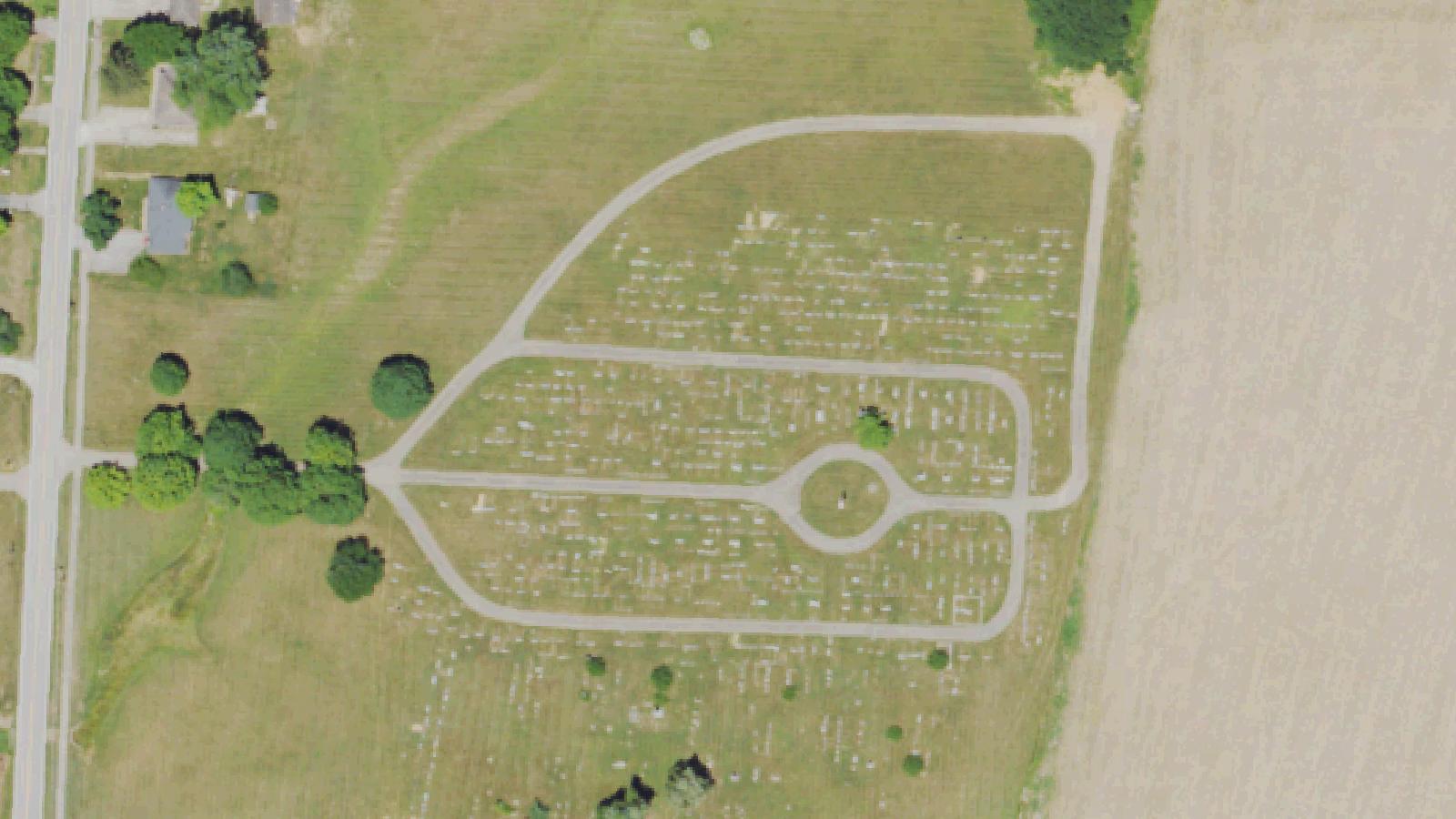
Per Beauchamp's written instructions, the couple was interred together at Maple Grove Cemetery in Bloomfield, Nelson County, Kentucky, in a single coffin arranged so that Anna's head rested on his right arm. Anna composed a 32-line epitaph inscribed on the joint tombstone in the month before their deaths. The case became known across the country as the 'Kentucky Tragedy' and inspired works by Edgar Allan Poe, William Gilmore Simms, and Robert Penn Warren, whose 1950 novel World Enough and Time is closely modeled on it.
The Kentucky Historical Society installed an interpretive marker at the cemetery titled 'Romantic 1825 Tragedy.' Modern historical scholarship, particularly Matthew G. Schoenbachler's Murder and Madness: The Myth of the Kentucky Tragedy (University Press of Kentucky), has reassessed the case and the romantic mythology that grew around it.
Sources
- https://en.wikipedia.org/wiki/Beauchamp%E2%80%93Sharp_Tragedy
- https://history.ky.gov/markers/romantic-1825-tragedy
- https://www.findagrave.com/memorial/7431776/ann-beauchamp
- https://uknowledge.uky.edu/upk_cultural_history/30/
- https://www.hmdb.org/m.asp?m=136823
Apparitions
Maple Grove Cemetery's paranormal reputation rests primarily on a single recurring tradition: reports of a woman's figure seen walking the road past the cemetery and among the graves, identified by local tellers as Anna Cooke Beauchamp. The story has circulated in Bloomfield since at least the late twentieth century and appears in regional ghost-tourism writing and oral history collections.
The specifics vary by retelling. Some accounts describe the figure in early-nineteenth-century dress; others give only an impression of a woman in dark clothing seen briefly at dusk. None of these reports rise to the level of independently documented paranormal investigation, and Hauntbound presents them as folklore attached to one of Kentucky's best-documented historical tragedies.
The site's enduring draw is the joint grave itself and Anna's 32-line epitaph, written a month before her death and inscribed on the shared tombstone. Visitors come for the literary and historical resonance of the Kentucky Tragedy rather than for the comparatively thin paranormal lore.
Notable Entities
Anna Cooke Beauchamp
Media Appearances
- World Enough and Time (Robert Penn Warren novel, 1950)