Est. 1827 · U.S. Arsenal established 1820s on Summerville heights above Augusta · Bellevue Hall and Benet House surviving antebellum military architecture · Childhood home of Pulitzer Prize-winning poet Stephen Vincent Benet · Emily Galt legend historically debunked by Augusta University special collections
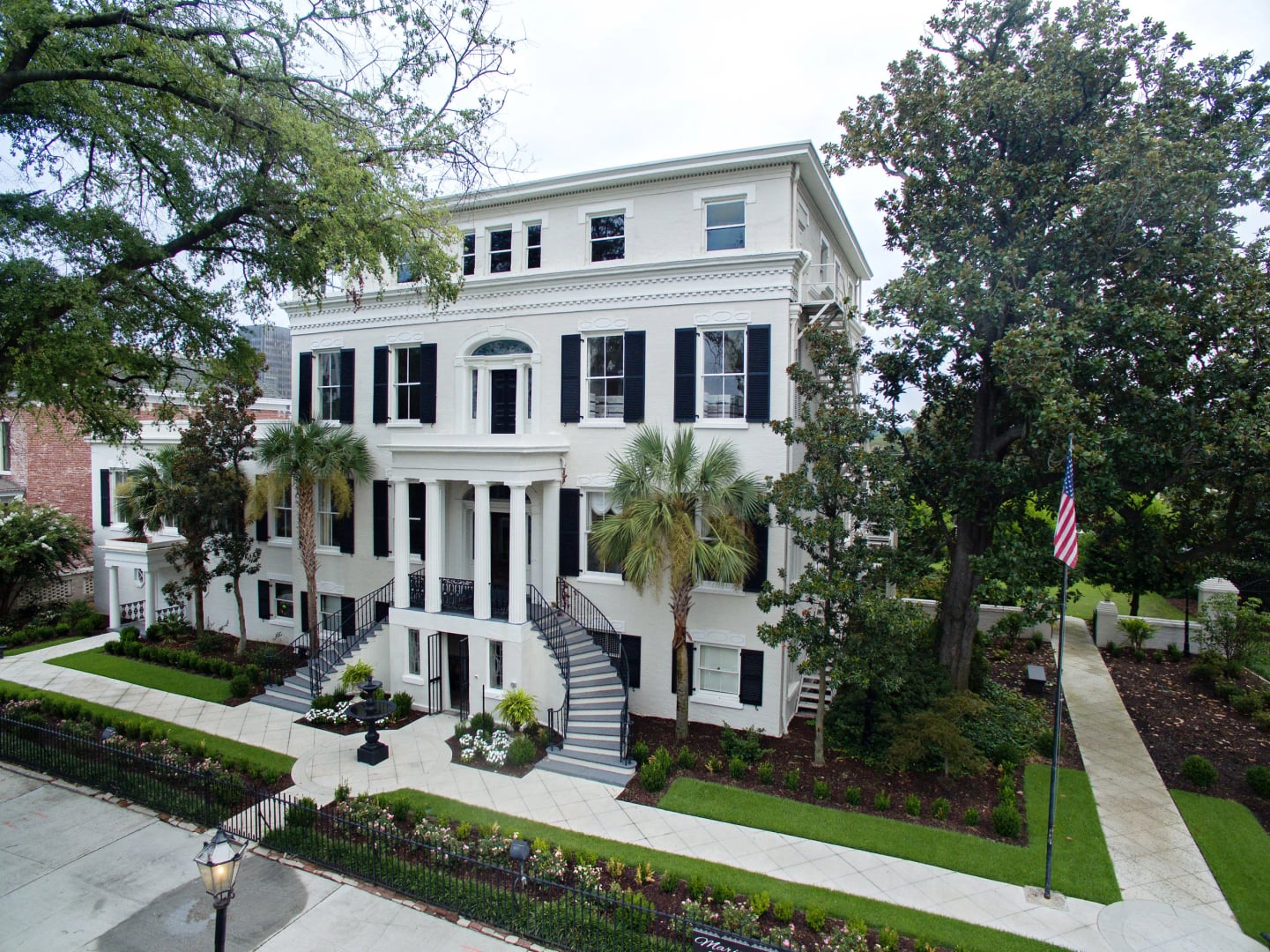
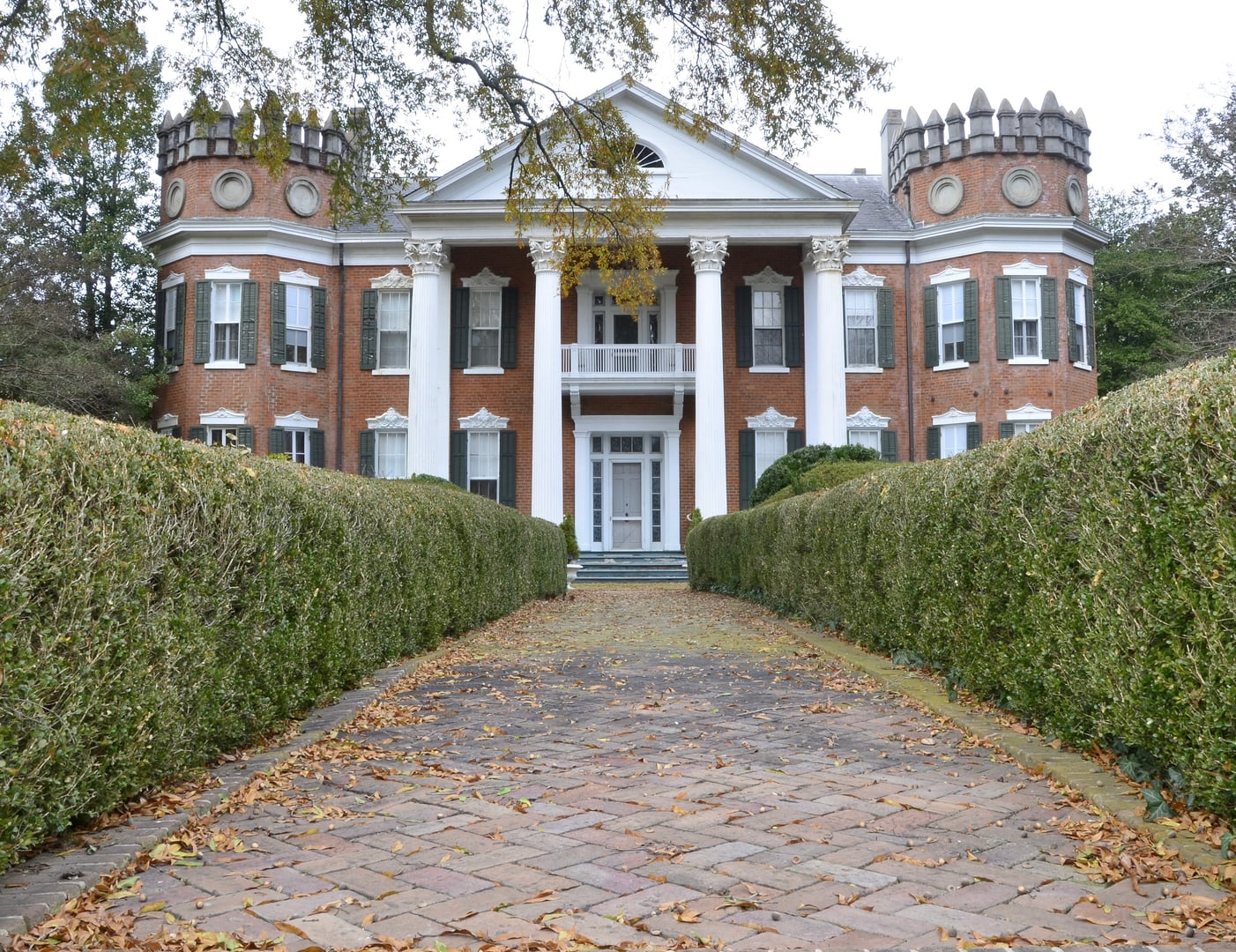
The property at 2500 Walton Way was developed as a United States military arsenal beginning in the 1820s. The Arsenal occupied the high ground above Augusta — the 'Summerville' neighborhood — and was one of a network of federal arsenals constructed in the antebellum South to supply and maintain military equipment. The site's most notable surviving buildings from this period include Bellevue Hall and Benet House, the latter serving as the quarters for the Arsenal commandant.
During the Civil War, Confederate forces seized the Arsenal in 1861. It was returned to federal control after the war and eventually decommissioned. The site's transition from military to educational use was completed in the early 20th century, and it has operated under various Augusta educational institutions since, now incorporated into Augusta University.
Benet House is named for the family of the Arsenal commandant. One member of that family, Stephen Vincent Benet, the American poet who won the Pulitzer Prize for 'John Brown's Body' in 1929, spent part of his childhood on the campus when his father served as commandant. The Apple Pie Ghost legend attached to the house in oral tradition involves an unnamed commandant's wife found dead beside a tea service, the cause of death never formally determined, and the commandant's nephew, whose presence is associated with an aroma of baking.
Bellevue Hall's primary legend involves Emily Galt, who in 1861 reportedly carved her name into a third-floor windowpane with her engagement ring before allegedly throwing herself from the window after learning her Confederate soldier fiancé had been killed. Augusta University's special collections office has investigated and documented that Galt did not die from a fall — historical records show she lived for decades after 1861 and died in a Virginia mental institution. The carved name in the glass has been confirmed; the suicide story has not.
Sources
- https://jagwire.augusta.edu/hold-special-collections-shines-a-light-on-campus-ghosts/
- https://www.wrdw.com/2025/10/31/heres-where-ghosts-are-csra/
- https://www.wfxg.com/augusta-universitys-haunted-campus/article_8a7669d1-1da4-5406-96b1-85920c4537b5.html
Historical graffiti (name scratched in glass)Apparitions on upper floorsUnexplained aromasCold spots
The Bellevue Hall legend as traditionally told holds that Emily Galt, facing the news of her fiancé's death at the front in 1861, scratched her name into a third-floor windowpane with her engagement ring and then threw herself from the window. Augusta University's special collections staff investigated the account and located records establishing that Emily Galt did not die in 1861. She lived well into adulthood and died decades later in a Virginia mental institution. The scratched name in the glass is real and verifiable. The suicide story is not.
This documented debunking makes Bellevue Hall an unusual case in ghost tour lore — a location where the originating legend has been publicly contradicted by institutional research, yet the story continues to circulate because the physical evidence (the name in the glass) remains. What actually happened to Emily Galt, and what her state of mind was in 1861 when she scratched her name into that window, is not answered by the historical record. The building continues to appear on Augusta ghost tour itineraries.
Benet House carries a second, less-documented set of claims. The commandant's wife was reportedly found dead beside a tea tray under circumstances that were never formally explained. The commandant's nephew is associated in campus oral tradition with the smell of apple pie or baked goods emanating from spaces where he is not physically present — the origin of the 'Apple Pie Ghost' label. Neither account has been investigated with any formal methodology.
Notable Entities
Emily Galt
Where this legend is told