Est. 1846 · National Register of Historic Places · Civil War Hospital · Founding Campus Building
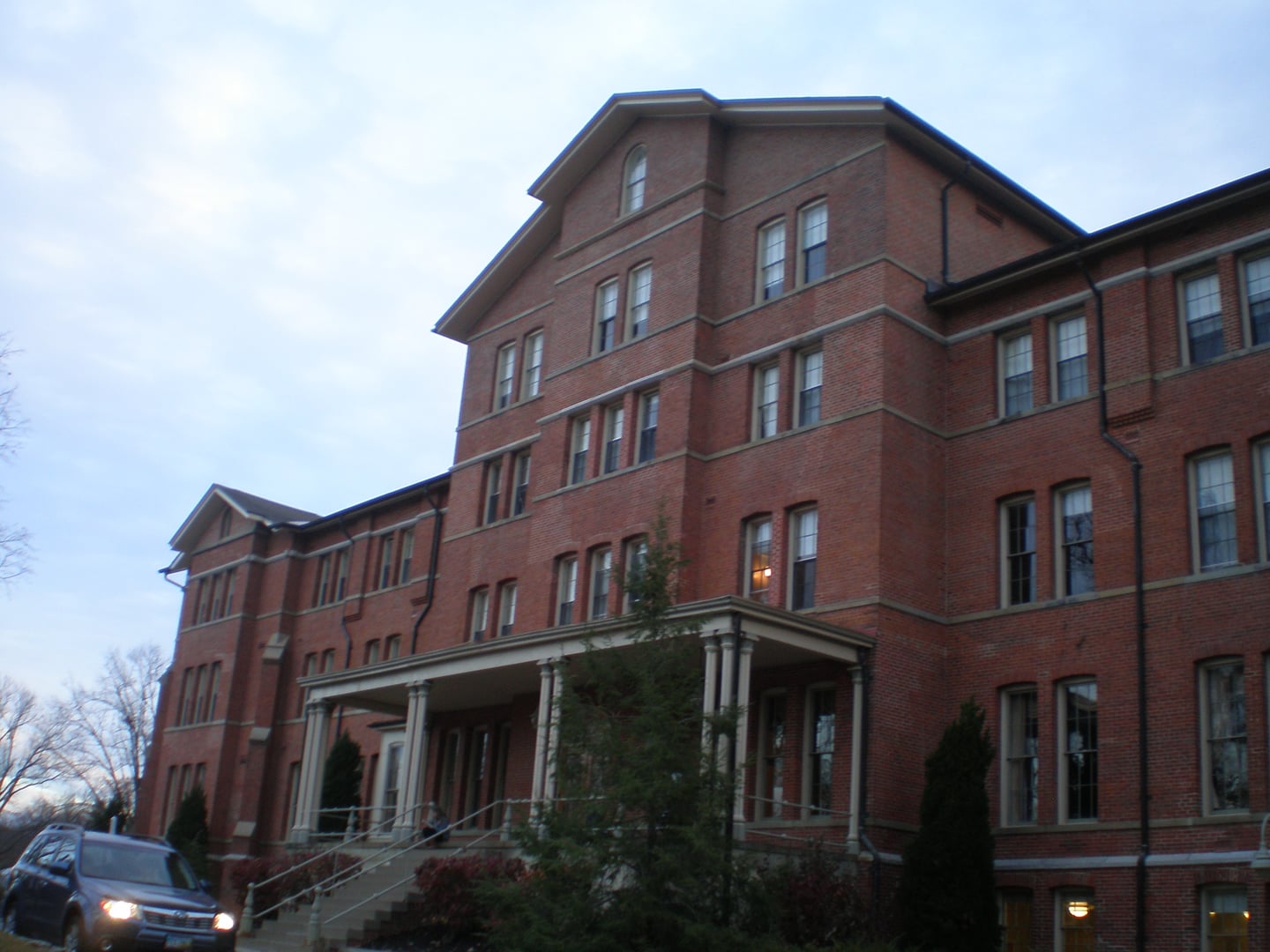
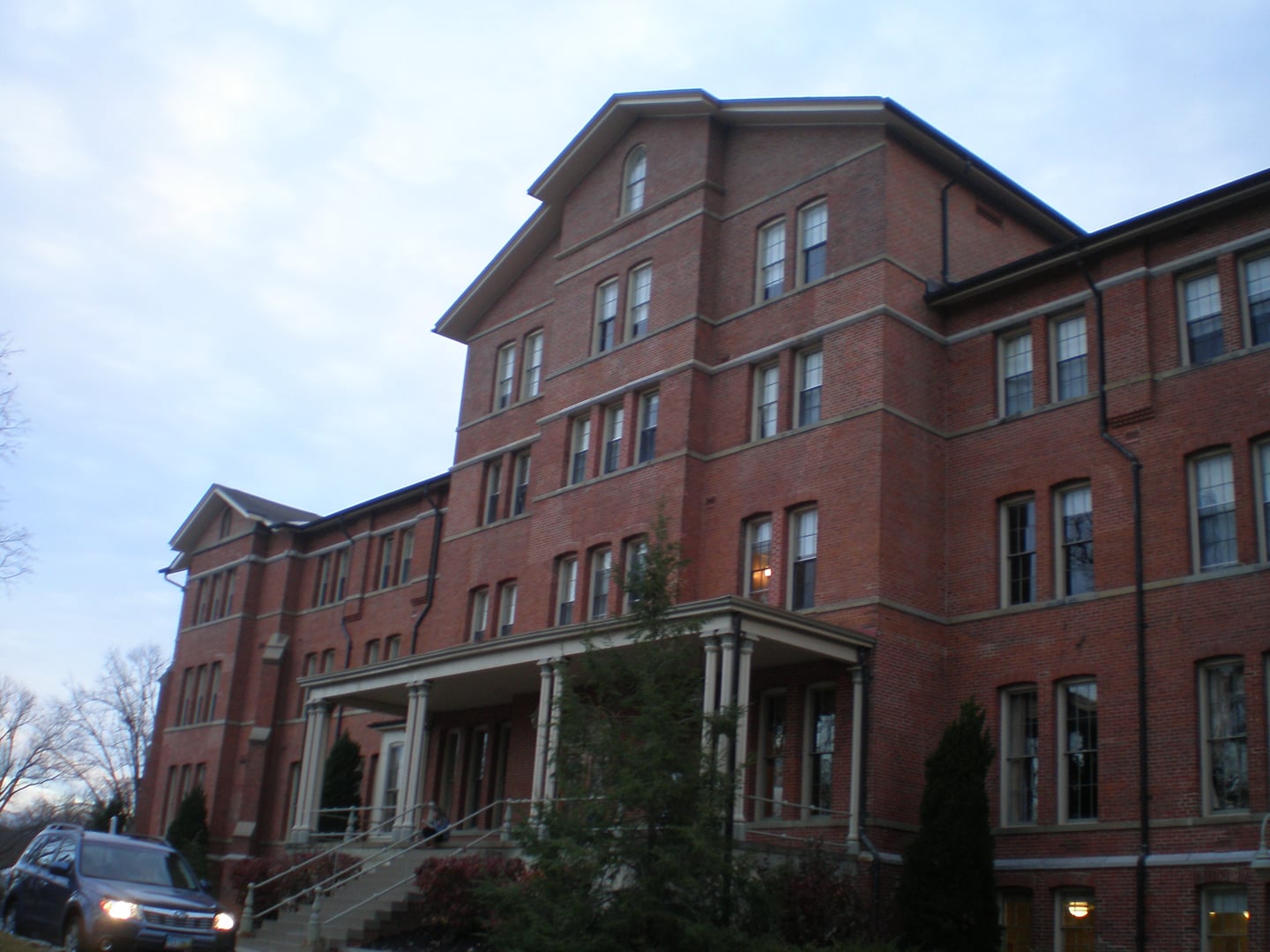
Myers Hall at Wittenberg University occupies the highest point on the Springfield campus. The east wing opened in 1846 — the year the university itself was founded — making Myers the original Wittenberg building. The structure is listed on the National Register of Historic Places.
During the Civil War, Wittenberg was among the many colleges and universities in Ohio that opened their facilities as military hospitals. Springfield's central Ohio location made it a reasonable transfer point for wounded soldiers, and Myers Hall served as a hospital ward during the conflict.
The building continued to function as a dormitory through much of Wittenberg's history. A 2001 alumni magazine feature documented the hall's layered history and the many students who passed through its rooms. Myers Hall is currently listed as offline in Wittenberg's residential system, suggesting it is not in active dormitory use.
Former Wittenberg president William Kinnison, who wrote on campus ghost stories, offered a historical anchor for the horse legend: in the 1880s, Reverend Jacob Simons kept a horse that he rode for supply runs. Students on one occasion led the horse to the fourth floor of Myers Hall as a prank — an incident that may have seeded the ghost story that followed.
Sources
- https://www.wittenberg.edu/places/residential/myers-hall
- https://collegeboundadvantage.com/ghost-stories-ohios-colleges-phantom-horse-myers-hall/
- https://www.springfieldnewssun.com/news/local/stafford-former-wittenberg-president-spins-book-ghost-tales/qj4Y7wflriLkIkxUhxQsaK/
Phantom soundsResidual haunting
The ghost horse of Myers Hall exists in multiple versions, which former Wittenberg president William Kinnison mapped in detail. The most emotionally resonant involves a dying Union general during the Civil War: aware he would not survive, he asked to see his horse one final time. The horse was brought up to his hospital room — accounts vary between the fourth and fifth floor — and stood with him until he died. Then it would not leave.
The soldiers tried to coax the horse down the stairs. It refused. They shot it.
The horse's hoofbeats are said to move through the upper corridors at night. Residents in Myers Hall over the decades have reported sounds consistent with a large animal moving above them, without visible source.
Kinnison's alternate version is more grounded: Reverend Jacob Simons, a 19th-century campus figure, rode his horse to town for supplies. Students, in a demonstration of what has always been a university tradition, led the horse to the fourth floor. The horse eventually descended; the incident became legend; the legend evolved into the Civil War general version that circulates today.
Both versions share the essential detail: a horse that was on the upper floors of Myers Hall, and something of it remaining there still.
Notable Entities
The Ghost Horse