Est. 1824 · Early American Public University · Women's Education History · Western Female Seminary
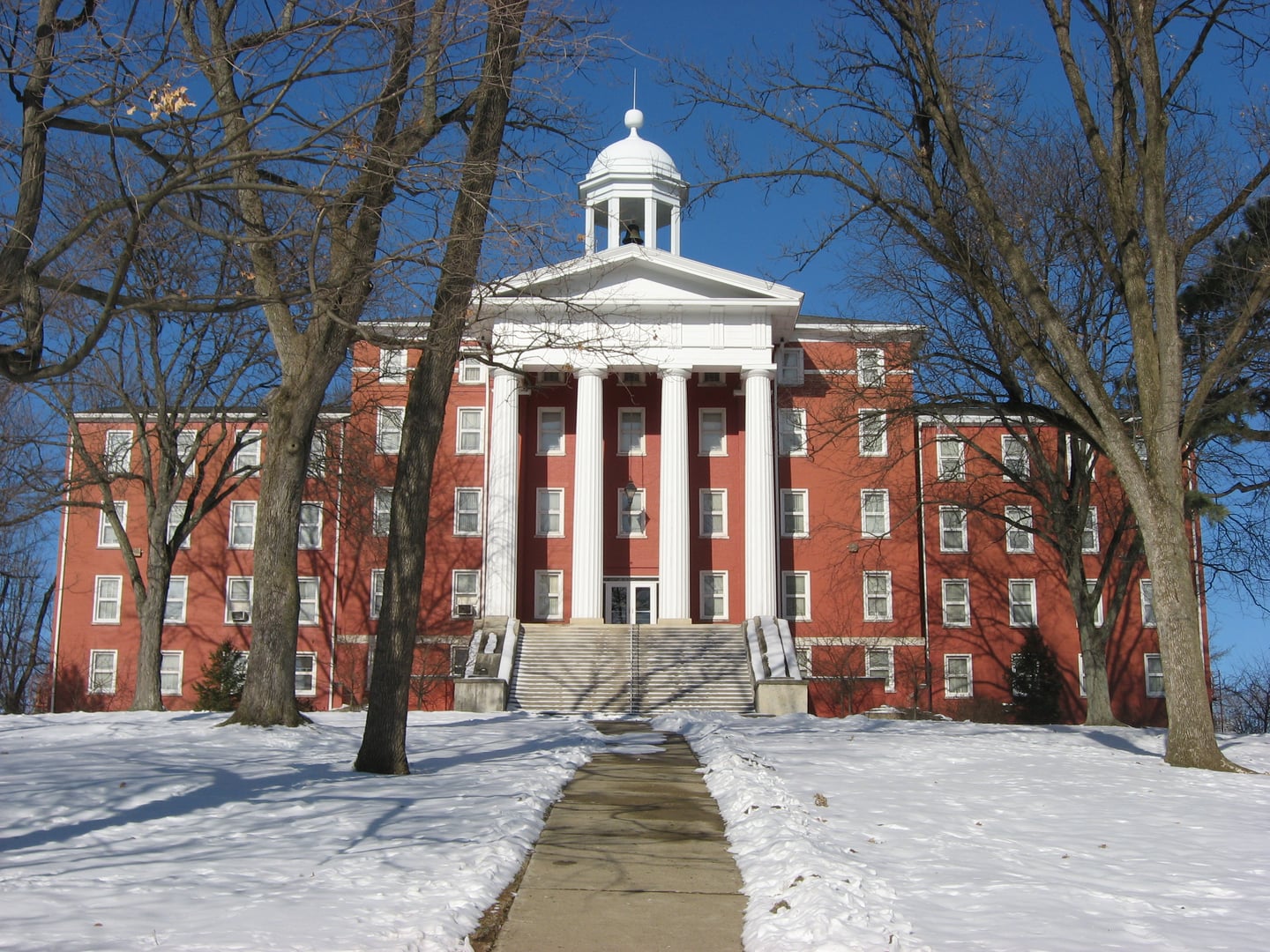
Miami University was chartered by the Ohio General Assembly in 1809, predating Ohio statehood by six years. It opened in Oxford in 1824, making it one of the earliest public universities west of the Appalachians.
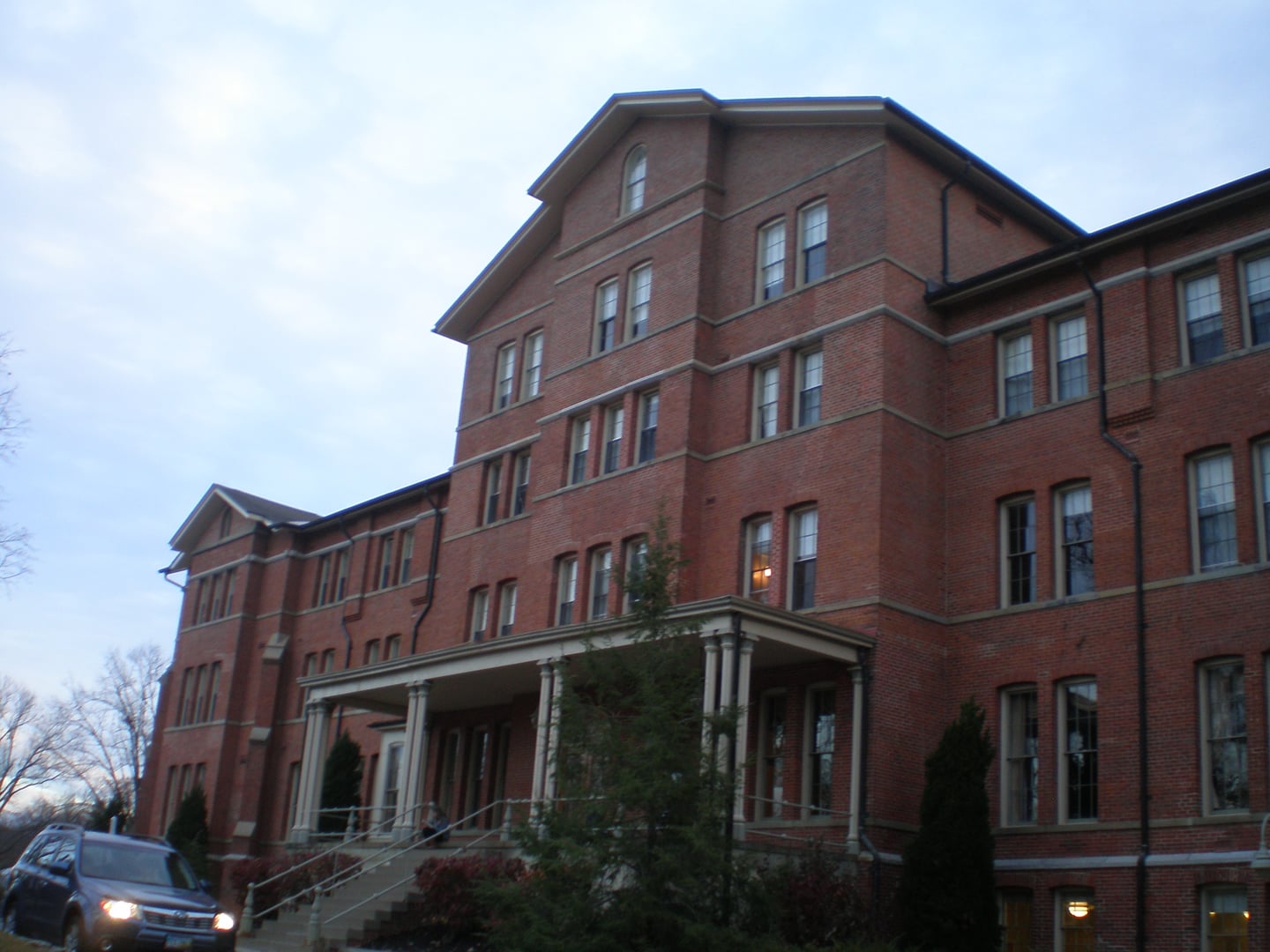
The university absorbed Western College for Women in 1974, bringing with it the Western Female Seminary campus — now the Western Female Seminary National Historic District. At the center of that district stands Peabody Hall, built in 1855 and named after Helen Peabody, who served as principal of the institution from 1855 to 1888.
Peabody Hall was twice damaged by fire — in 1860 and 1871 — and rebuilt each time. The building remains a mixed-use academic and residential hall today. Peabody was a principled and exacting administrator, documented as strongly opposed to coeducation and protective of her students. She died in 1905 in Pasadena, California, the year the building was renamed in her honor.
The Shadowlands report references Room 210 specifically, citing accounts of two separate individuals who died there years apart. No independent documentary confirmation of these specific deaths has been found in accessible historical records. The window shade phenomenon — shades in certain rooms moving without visible wind — is a recurring detail in campus folklore dating back multiple decades.
Sources
- https://en.wikipedia.org/wiki/Peabody_Hall_(Miami_University)
- https://oxfordobserver.org/9622/uncategorized/peabody-hall-remains-home-to-the-ghost-of-helen-peabody/
- https://www.miamialum.org/s/916/22/Interior.aspx?gid=1&pgid=404
- https://www.hercampus.com/school/miami-oh/ghosts-miami-university/
- https://kimballunionarchives.wordpress.com/2018/12/18/helen-peabody-a-farmers-daughter/
ApparitionsPhantom soundsCold spots
The Helen Peabody legend at Peabody Hall is among the most consistently reported of any Ohio campus haunting. Renovation workers over the decades have independently described encountering a woman in the building who was not part of their crew — a woman they could not locate afterward. Resident students have reported the sensation of being observed in specific corridors, with male residents noting a particular atmospheric change that female residents do not describe.
Room 210 carries its own story. Campus folklore holds that at least two individuals died in that room in separate incidents years apart. No independent corroboration of both deaths appears in accessible news archives. The window shades in certain rooms are a separate detail in the tradition: shades that move violently without perceptible drafts, in rooms where no one stands near them.
The Reid Hall murder-suicide of 1959 is separately documented. Roger Sayles, a Resident Advisor, was shot while intervening in a dispute; investigators at the time documented blood on the walls, a detail that entered campus lore and persists there.
The Oxford Light — the phantom motorcycle headlight seen on Oxford-Milford Road roughly two miles from campus — is associated with Miami by community tradition. The light has been reported since at least the 1940s. The story behind it varies: most versions involve a young man riding a motorcycle to visit his girlfriend, killed en route by a collision with a barbed-wire fence or a bicycle-riding child. The girl, upon witnessing or learning of the crash, reportedly died by her own hand in a barn at the end of the road. Whether these events occurred is not verifiable; the light phenomenon itself has been reported consistently enough that it earned coverage in the Miami University alumni publication.
Notable Entities
Helen PeabodyThe Oxford Light