Est. 1829 · Tallahassee's oldest public burial ground (est. 1829) · Yellow fever epidemic burials (1840s) · Civil War Union and Confederate sections · Grave of Elizabeth Budd-Graham (1889)
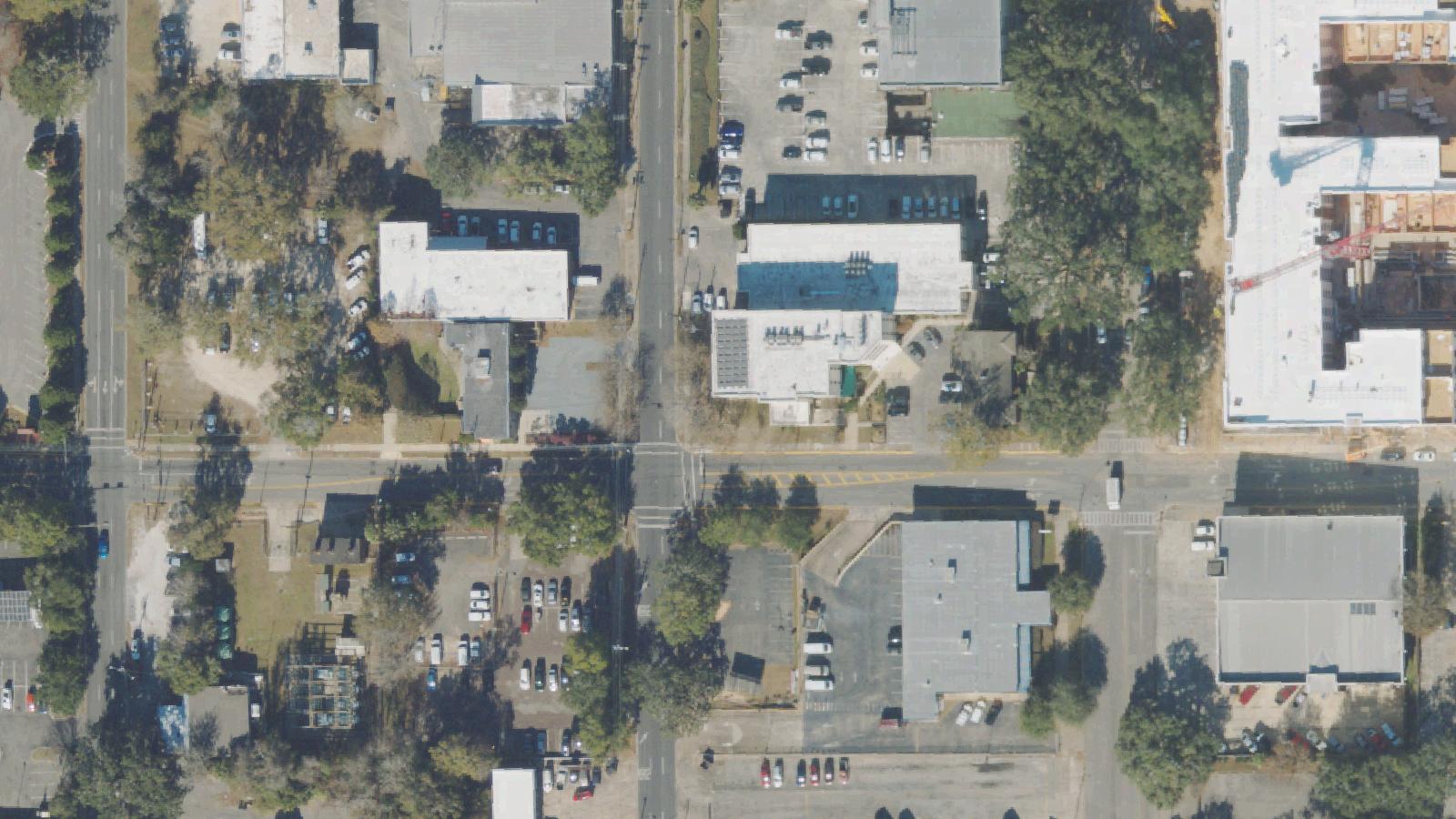
The Old City Cemetery is located at 400 West Park Avenue in Tallahassee and was established in 1829. The City of Tallahassee Real Estate Division's official brochure describes it as Tallahassee's oldest public burial ground and a regular stop on local heritage walks. The cemetery was used heavily through the mid-19th century, including during a yellow fever epidemic in 1841 that prompted the city to lay out graves en masse to meet demand.
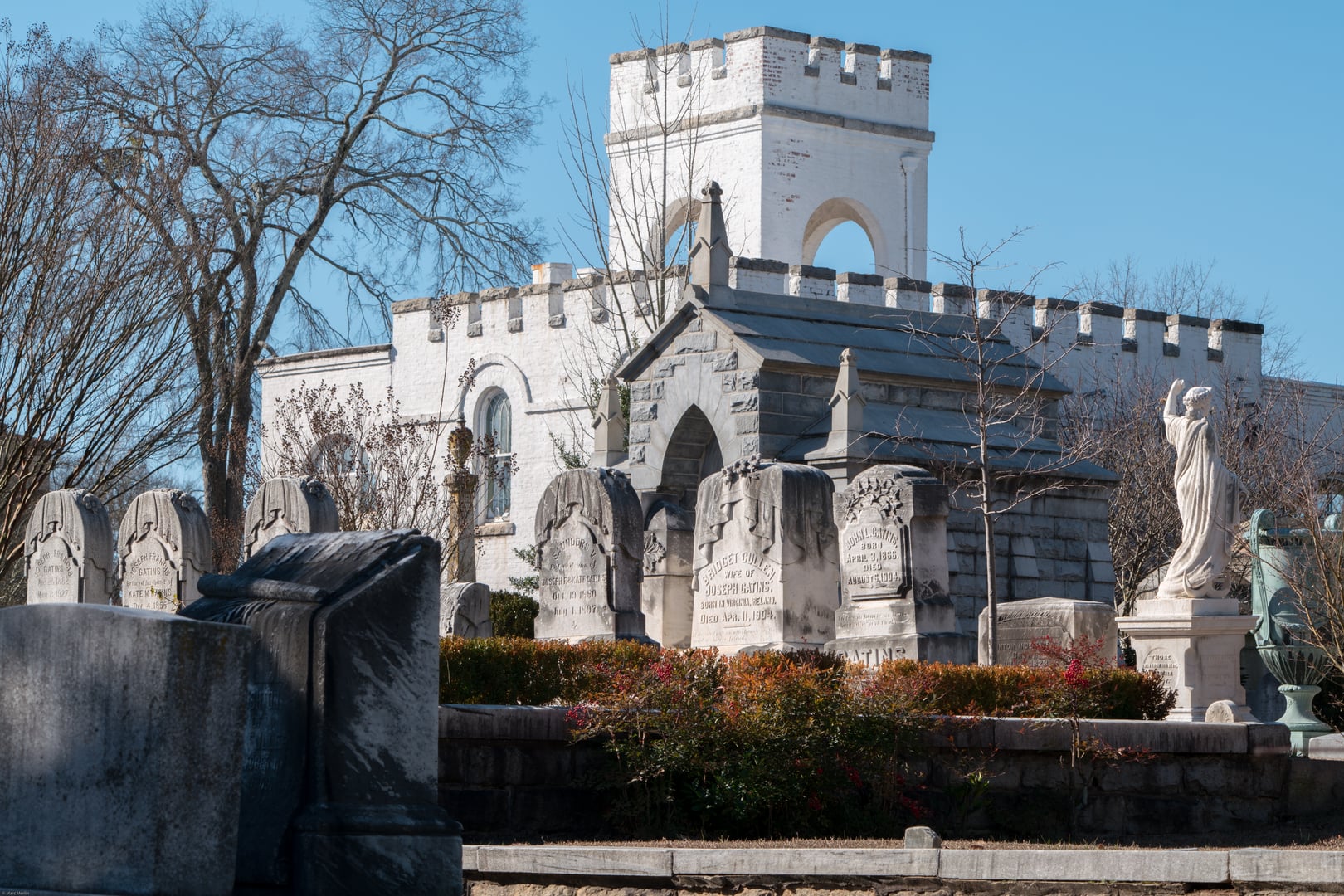
The interred include early Tallahassee settlers, politicians, business owners, enslaved people, free Black residents, and Civil War soldiers from both Union and Confederate armies. A separate Union section and a separate Confederate section preserve burials from the Battle of Natural Bridge and other regional Civil War actions. The cemetery is open to the public and is maintained by the City of Tallahassee.
The most-visited monument in Old City Cemetery is the obelisk of Elizabeth 'Bessie' Budd-Graham, who died at age 23 in 1889. According to Atlas Obscura, her grave is unusual on two counts: the obelisk is the cemetery's largest, and it is oriented to face west rather than the conventional Christian east. The Edgar Allan Poe verse 'Ah! broken is the golden bowl' (a passage from Poe's poem 'Lenore') is inscribed on her stone. These details are the documented basis for the folk tradition that Bessie was a 'white witch.'
Later research published by skeptical investigators has questioned the witch interpretation, noting that the Poe verse comes from a popular poem and that many other graves in the cemetery also face west. Tallahassee's Tally Guide and Hidden History blog provide that historiographic context. Atlas Obscura and Visit Tallahassee continue to treat the witch legend as folklore rather than fact.
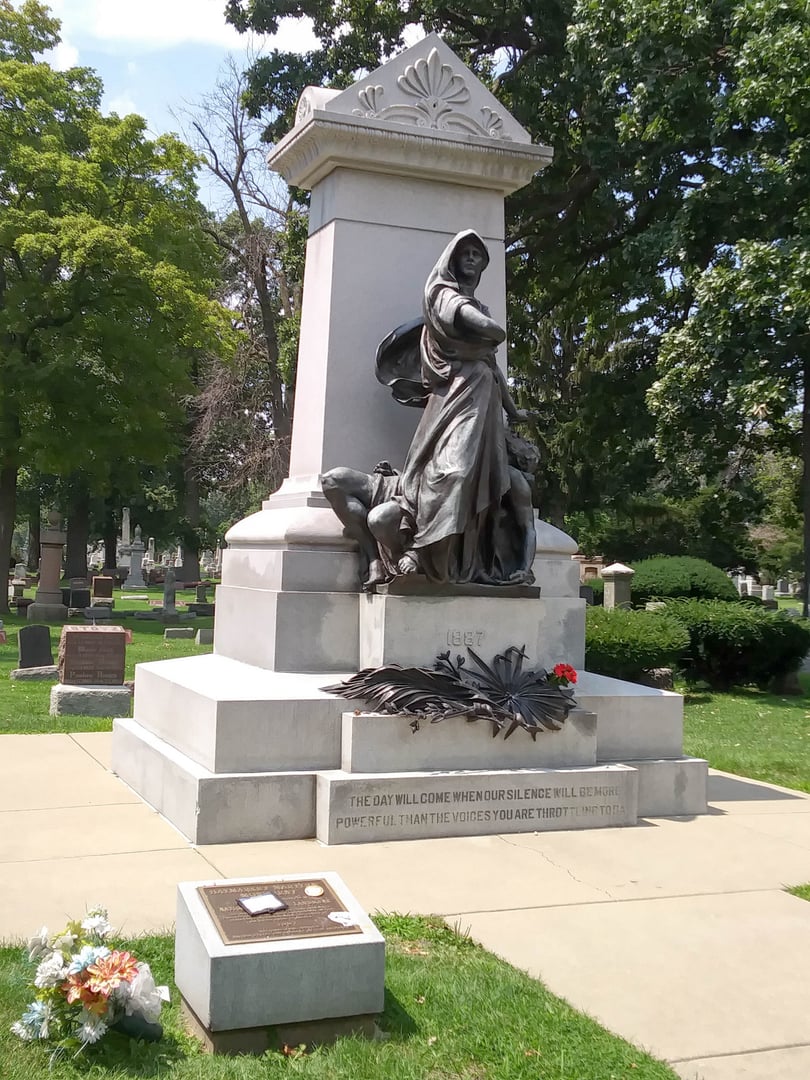
The cemetery remains an active municipal historic site. Visitors today continue to leave coins, seashells, flowers, and small tokens at the Budd-Graham obelisk, a practice that Visit Tallahassee and Atlas Obscura describe as part of the modern folklore around the grave.
Sources
- https://www.talgov.com/Uploads/Public/Documents/realestate/occ_brochure.pdf
- https://www.atlasobscura.com/places/the-grave-of-elizabeth-buddgraham-tallahassee-florida
- https://www.tallyguide.com/blog/the-old-city-cemetery
- https://visittallahassee.com/blog/spooky-tallahassee/
- https://lflank.wordpress.com/2023/06/06/the-florida-witchs-grave/
Orbs and misty shadow reports at the Budd-Graham obeliskCold or 'friendly chill' sensations after darkTokens (coins, shells, flowers) repeatedly placed on the grave
According to Atlas Obscura's entry on the Grave of Elizabeth Budd-Graham and Visit Tallahassee's 'Spooky Tallahassee' feature, the unusual elements of Bessie Budd-Graham's grave (the towering west-facing obelisk and the Poe inscription) have anchored a long-running tradition that she was a 'white witch.' Visitors leave coins, shells, and flowers on the monument, and the Treacherous Tallahassee Ghost Tour stop at the cemetery describes after-dark visitors reporting orbs, misty shadows, and a 'friendly chill' sensation at the obelisk.
It is worth noting that the 'witch' framing is contested by local researchers. Local writers have noted that the inscription comes from a popular poem and that many other graves in the cemetery also face west. We present the witch tradition here as documented folklore — a story told consistently by ghost tours, tourism sources, and Atlas Obscura — rather than a verified paranormal claim.
Notable Entities
Elizabeth 'Bessie' Budd-Graham (d. 1889)
Media Appearances
- Atlas Obscura entry
- Treacherous Tallahassee Ghost Tour