Self-Guided Visit
Self-Guided Cemetery Visit
Walk the historic pioneer cemetery, read the 19th-century markers, and find the graves of Confederate veterans and early Shingle Creek settlers.
- Duration:
- 30 min
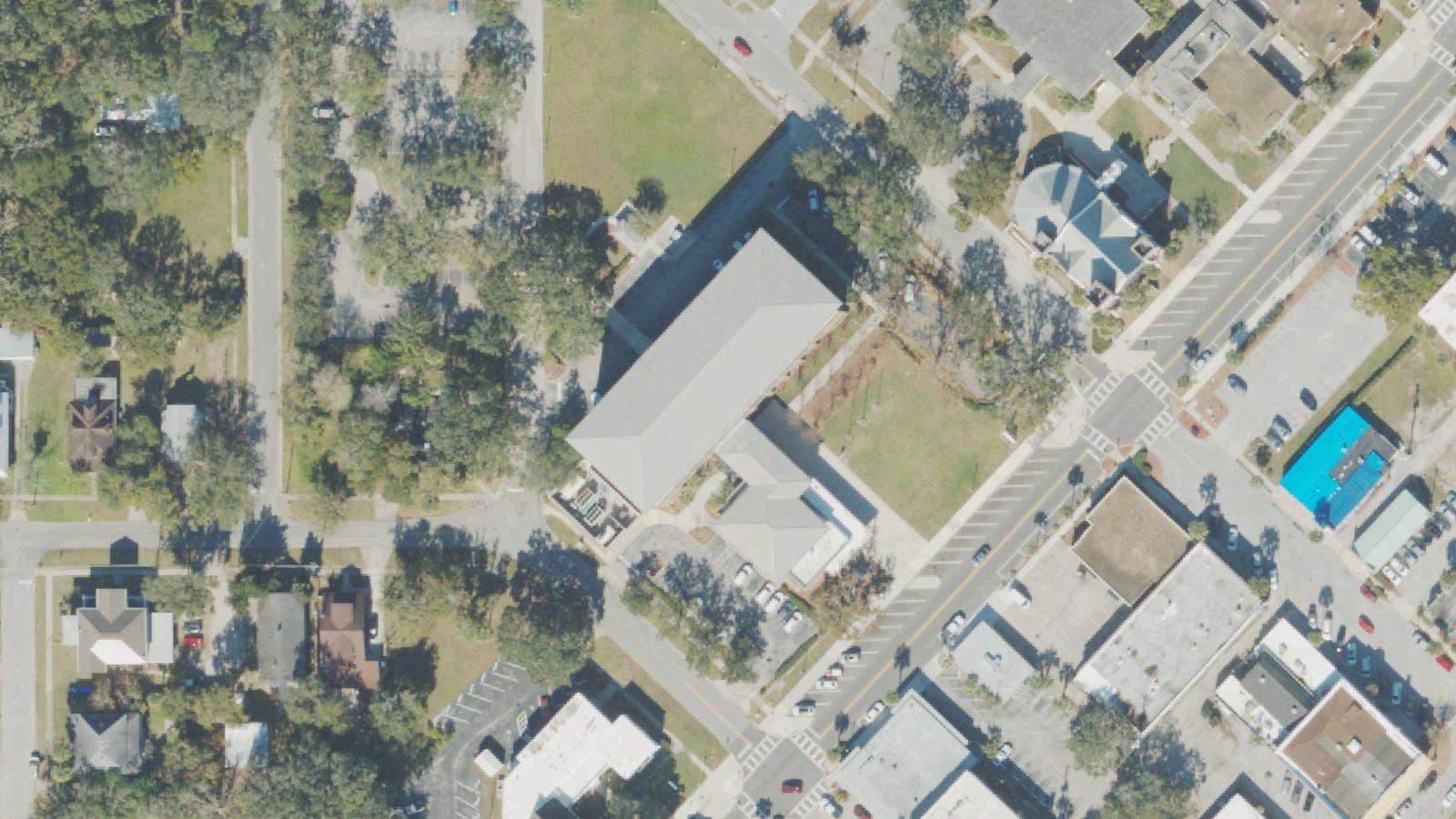 Aerial survey · USDA NAIP · public domain
A pioneer-era Methodist burial ground founded in 1865 west of Kissimmee, where visitors and paranormal investigators report the apparition of a Confederate soldier who seems to stand guard over the graves at night.
2420 Old Vineland Rd, Kissimmee, FL 34746
Research updated May 2026
Age
All Ages
Cost
Free
Free to visit during daylight hours; the cemetery is family-owned but accessible to the public.
Access
Limited Access
Flat grassy churchyard with some uneven ground and tree roots.
Equipment
Photos OK
Est. 1865 · One of the oldest pioneer cemeteries in the Kissimmee / Osceola County area (est. c. 1865) · Burial place of Confederate Civil War veterans and founding Shingle Creek settler families · Associated with pioneer Henry Overstreet, who donated the land for the church and cemetery
The Shingle Creek settlement was one of the earliest pioneer communities in what is now Osceola County, Florida, taking its name from the creek that fed the area's cattle ranches and farms. The Methodist congregation at Shingle Creek traces its origins to around 1865, when settler Henry Overstreet, who had arrived from Georgia with his wife Mary and their children, donated roughly ten acres for a church and an adjoining cemetery. The first structure was a log building; it later burned and was replaced by a frame plank building in 1893, and the congregation was formally organized that same year.
The cemetery that grew up behind the church became the resting place for the founding families of the Shingle Creek community and for veterans of the Civil War. Several Confederate veterans are buried there, reflecting the wave of post-war Southern settlers who pushed into Central Florida in the 1860s and 1870s. The cemetery is family- and community-maintained today, with a dedicated cemetery fund organization overseeing its upkeep, and it remains accessible to the public off Old Vineland Road.
The surrounding Shingle Creek area is now recognized as a heritage district, with the historic church property and nearby Babb homestead interpreted as part of Osceola County's pioneer story. A historical marker in the broader Shingle Creek area commemorates the early settlement. The cemetery's weathered markers, some dating to the mid-19th century, make it one of the most tangible links to the county's frontier past.
The former Shingle Creek United Methodist Church congregation has since wound down its separate corporate registration, but the cemetery endures as a maintained historic site and a destination for local history enthusiasts and genealogists researching Osceola County's founding families.
Sources
The signature legend of Shingle Creek Cemetery is the apparition of a Confederate soldier said to patrol the grounds after dark. According to the Shadowlands Haunted Places Index seed account, a Vietnam veteran visiting the cemetery reported seeing a man in grey walking among the headstones who appeared, saluted him, and warned him to "be careful" before vanishing — an encounter that frames the figure as a fellow soldier watching over the living rather than a malevolent presence.
The paranormal database PANICd records the same tradition independently, noting that "the apparition of a Confederate Soldier has been known to guard the cemetery at night" and that investigators have captured EVPs (electronic voice phenomena) on site. PANICd attributes its local history to the regional source "Around Osceola" and references a 2016 investigation by the group Family Shine Paranormal, which documented unexplained activity including reported flag movement at a Confederate veteran's grave on a still, windless night.
Several Confederate veterans are buried at Shingle Creek, and the guardian-soldier motif fits a recurring pattern in Civil War cemetery lore across the South, where apparitions are cast as sentinels rather than threats. Because the cemetery is a genuine historic burial ground with documented Confederate interments, the legend is treated here as folklore attached to a real place rather than verified fact, and the specific identities and dates in circulating versions of the story have not been independently confirmed.
Notable Entities
Walk the historic pioneer cemetery, read the 19th-century markers, and find the graves of Confederate veterans and early Shingle Creek settlers.
Some links on this page may earn HauntBound a small commission when you book, at no extra cost to you. Our editorial picks are independent. Full disclosure
Every HauntBound history is researched from documented sources. We clearly separate verified historical fact from paranormal folklore.
Free Guide
11 verified stops, rated for families, mapped in order. Free.
One email to confirm, then the guide link. Unsubscribe anytime.
Atlanta, GA
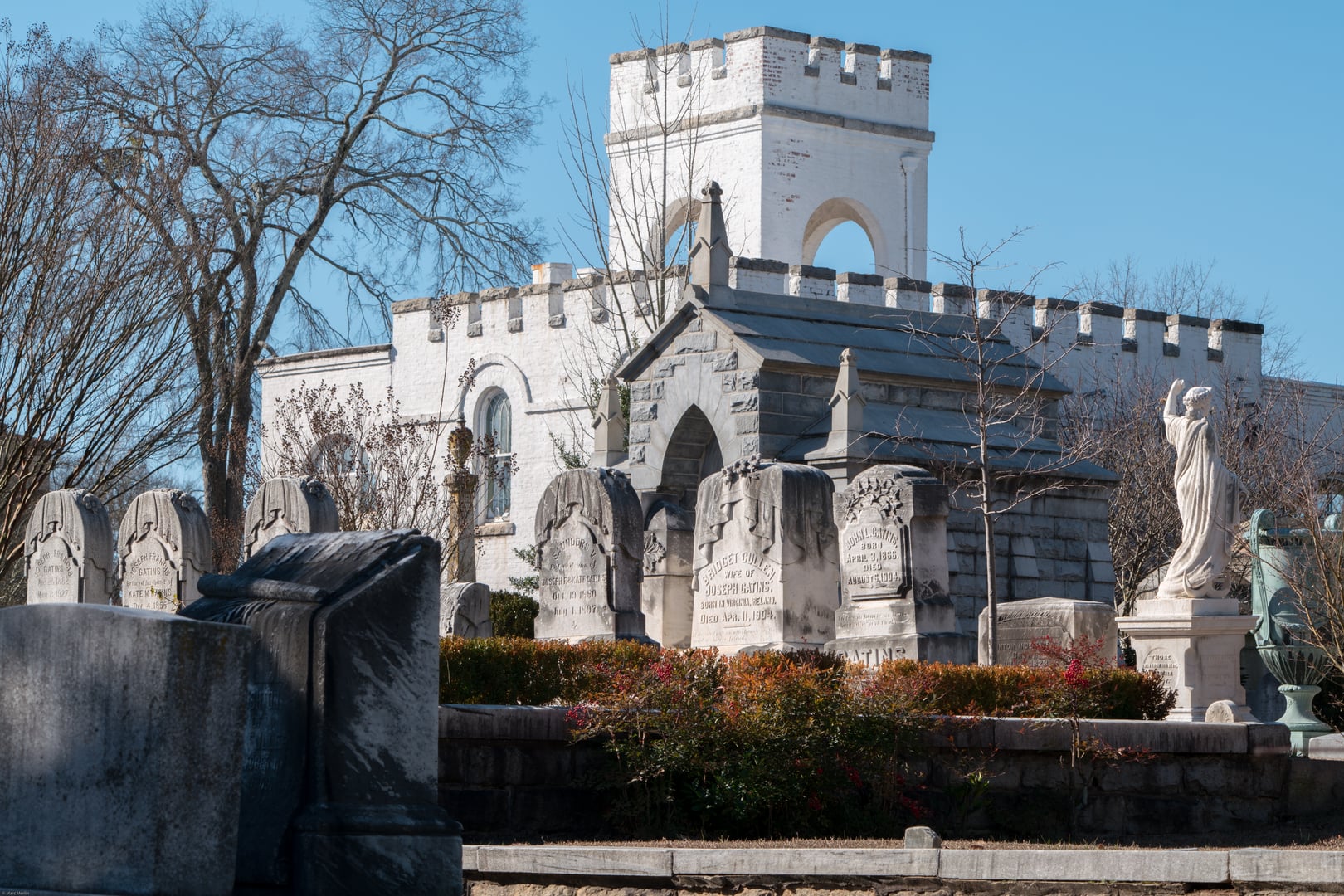
Historic Oakland Cemetery was chartered in 1850 as the six-acre 'Atlanta Cemetery,' renamed Oakland in 1872, and expanded to 48 acres. Approximately 70,000 people are interred, including roughly 6,900 Confederate soldiers (3,000 unidentified), four Confederate generals, six Georgia governors, 27 Atlanta mayors, Margaret Mitchell, golfer Bobby Jones, and Maynard Jackson, Atlanta's first African American mayor. The cemetery was listed on the National Register of Historic Places on April 28, 1976.
 Aerial survey · USDA NAIP
Merritt Island, FL
Georgiana Cemetery is one of the oldest graveyards in Brevard County, Florida, associated with the now-vanished pioneer settlement of Georgiana on Merritt Island. The adjacent Georgianna United Methodist Church was built in 1886, with lumber floated up by sailboat from St. Augustine. The cemetery holds Civil War and World War veterans alongside original settlers of the area.
Forest Park, IL
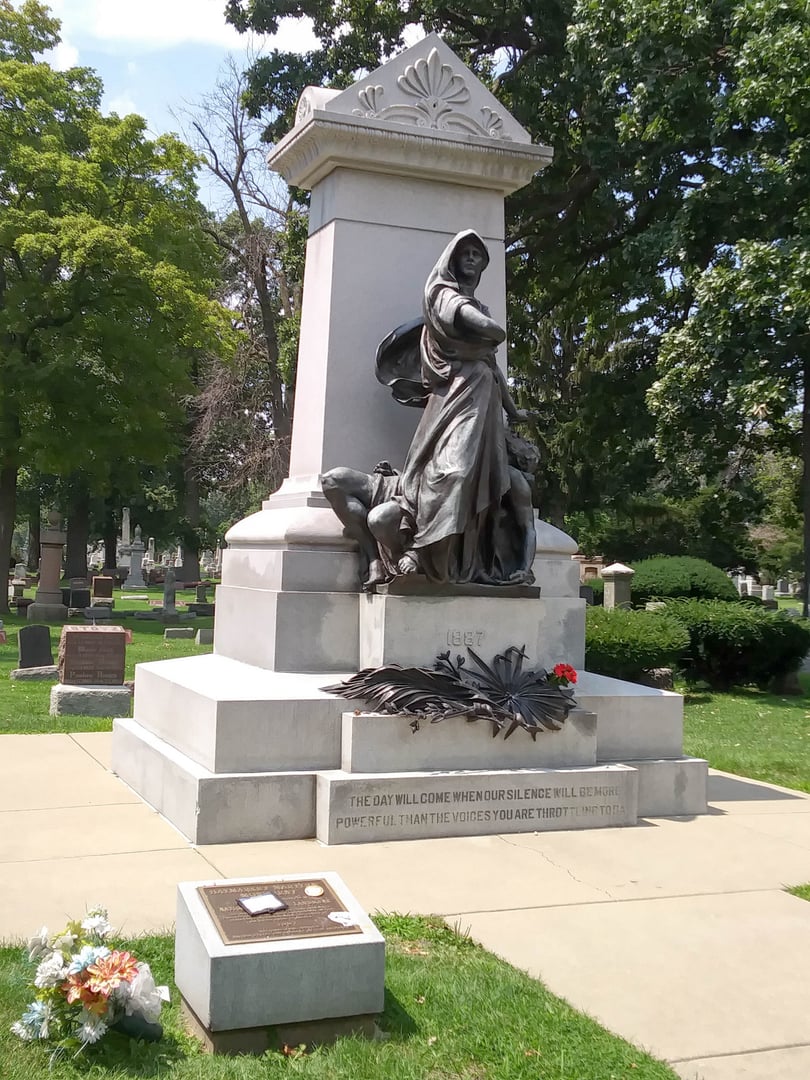
Forest Home Cemetery in Forest Park, Illinois, grew from two adjacent cemeteries — German Waldheim (established 1873) and Forest Home (1876) — which merged in February 1969. The 220-acre site was chosen as a non-denominational burial ground, a policy that made it the only Chicago-area cemetery willing to accept the bodies of the Haymarket defendants in 1887.