Est. 1829 · National Register of Historic Places · American Battlefield Trust Heritage Site · Mausoleum of Vice President William Rufus DeVane King · Grave of Reconstruction-era Congressman Benjamin Sterling Turner · Civil War-era Confederate burials
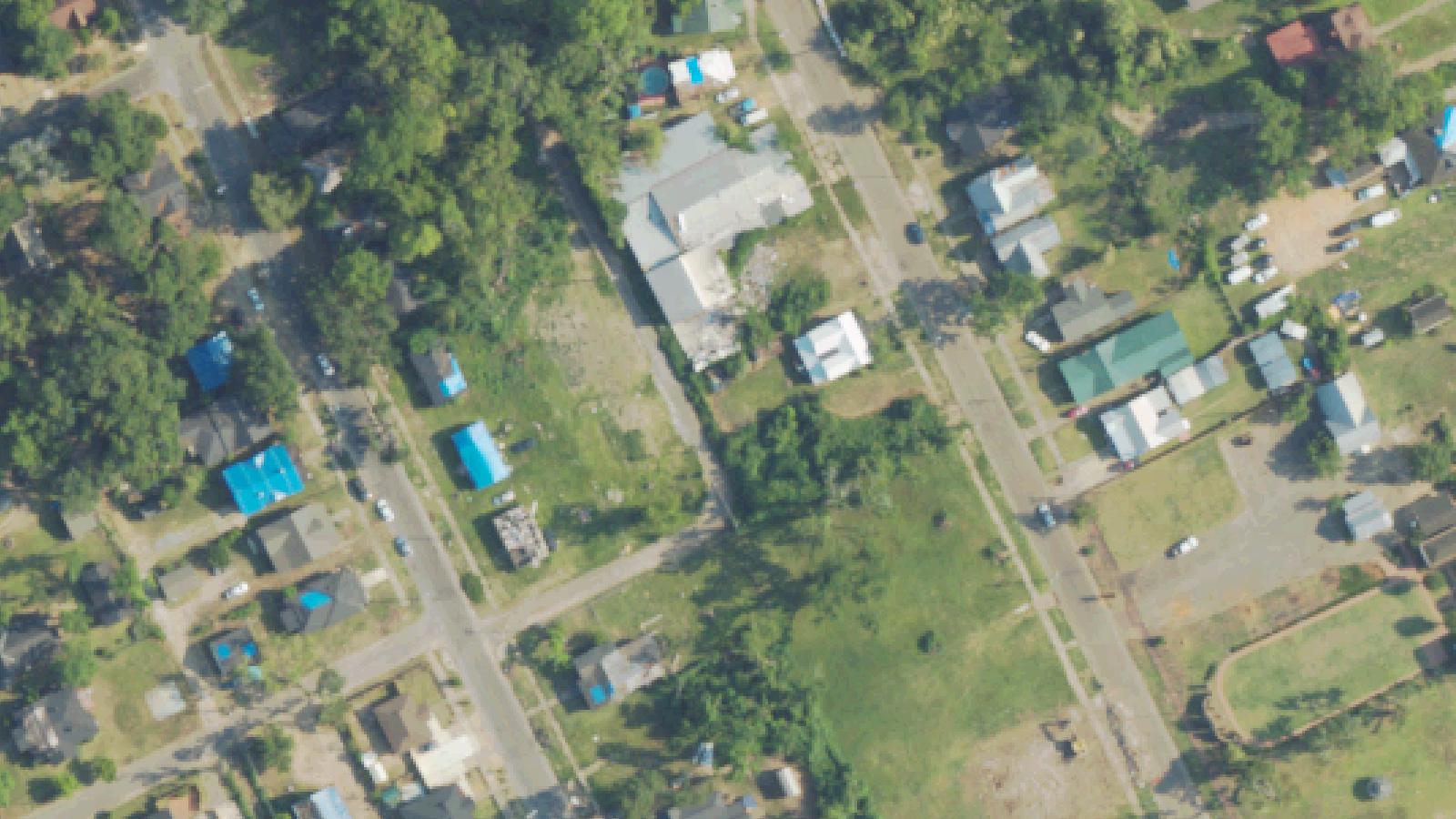
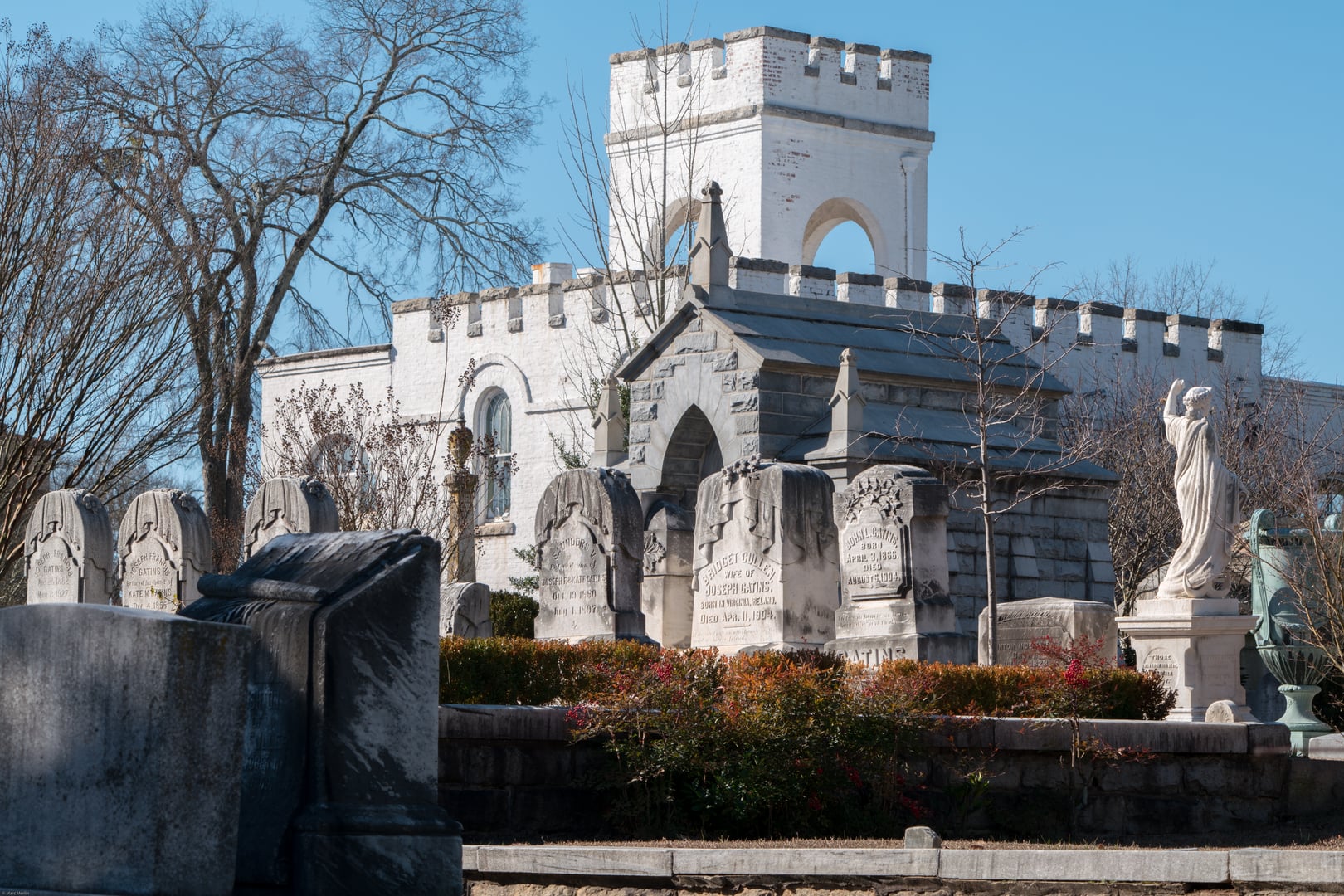
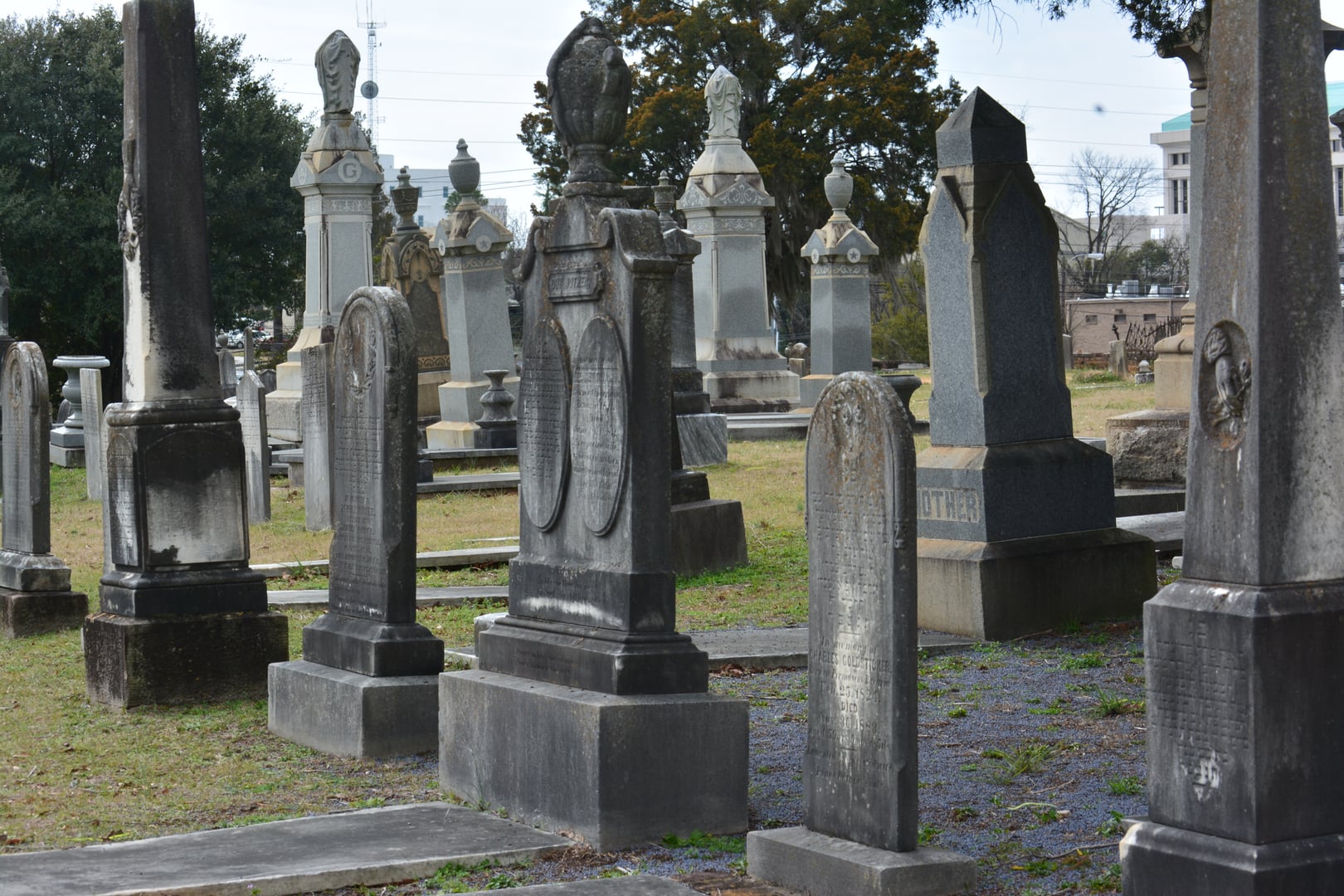
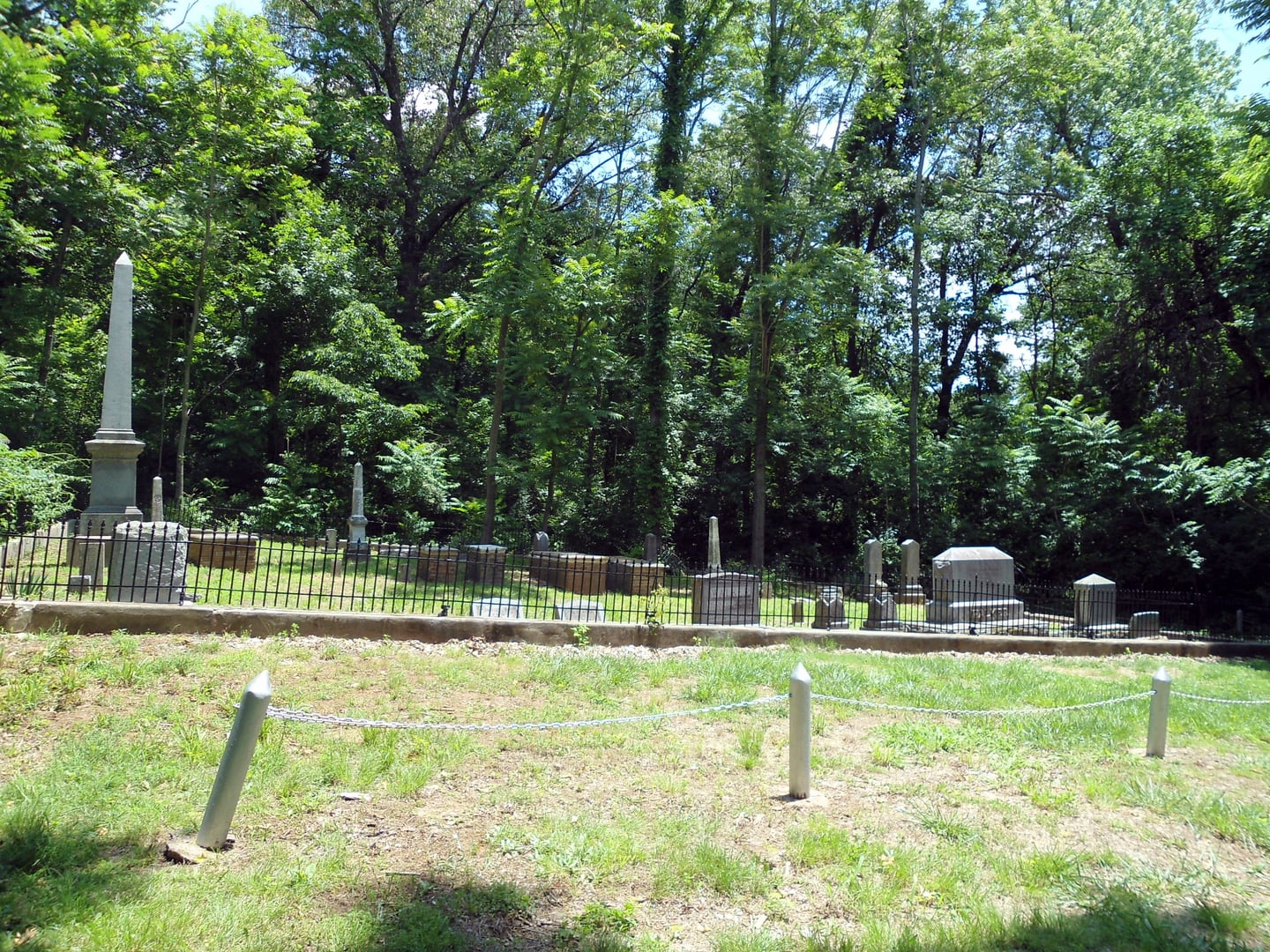
Old Live Oak Cemetery was established in 1829, making it one of the earliest public burial grounds in Selma. It sits on the western edge of the historic district, shaded by the live oaks that give it its name. The cemetery was added to the National Register of Historic Places in recognition of its architectural and historical significance.
Among its most notable burials is the mausoleum of William Rufus DeVane King, who served as Vice President of the United States under Franklin Pierce in 1853. King died of tuberculosis just 45 days into his term — the shortest vice-presidential tenure in U.S. history. He was a Dallas County planter and a longtime U.S. senator from Alabama before his election to the vice presidency.
The cemetery also contains a prominent statue honoring Elodie Todd, a half-sister of Mary Todd Lincoln. Elodie married Confederate Colonel Benjamin Eaton in Selma and died in 1871. Her presence in the cemetery reflects the divided loyalties of the Todd family, whose members fought on both sides of the Civil War.
Benjamin Sterling Turner, a formerly enslaved man who became a successful businessman in Selma, is buried here as well. Turner was elected to the U.S. House of Representatives in 1870, becoming the first Black congressman from Alabama during Reconstruction. His grave stands as a marker of the brief but significant political transformation of the post-war South.
The American Battlefield Trust recognizes the cemetery as a heritage site owing to its concentration of Civil War-era burials, including Confederate officers and soldiers from Dallas County units.
Sources
- https://en.wikipedia.org/wiki/Old_Live_Oak_Cemetery
- https://www.battlefields.org/visit/heritage-sites/old-live-oak-cemetery
- https://www.onlyinyourstate.com/experiences/alabama/beautiful-and-haunted-cemetery-al
Disembodied voicesPhantom footstepsCold spotsShadow movement
Old Live Oak Cemetery occupies an unusual position in Selma's paranormal landscape: reports of activity here are not confined to late-night visits. Paranormal investigators and ordinary visitors alike have described voices with no apparent source, footsteps on the gravel paths when no one else is present, and unexplained sounds among the oaks during afternoon hours.
The concentration of historically significant burials — a vice president, a Reconstruction-era congressman, Civil War officers, and generations of Selma's founding families — makes the site a natural focus for the kind of attachment that drives local ghost lore. No single dominant figure anchors the paranormal tradition the way John McGee Parkman anchors the Sturdivant Hall narrative nearby. Instead, the cemetery's reputation is diffuse: a general sense among visitors that the grounds hold more than meets the eye.
Reports gathered by regional paranormal writers describe shadowy movement between headstones and cold pockets of air on still days. The Spanish moss and the density of the old tree canopy create an atmosphere that contributes to the sense of unease. No formal paranormal investigations by established groups appear in the public record for this site, and no media productions have focused specifically on the cemetery's ghost lore.