Est. 1891 · National Register of Historic Places · Queen Anne Architecture · Florida Frontier Banking History · Titusville Pioneer Heritage
James Pritchard was born in New York City in 1836, moved to Missouri, and served as a captain in the Confederate Army during the Civil War. He eventually settled in Titusville, Florida, where he became one of the town's central civic figures. In 1888, he founded the Indian River State Bank, the first bank in Titusville. Two years later, in 1890, he financed and built the town's first electric generating plant.
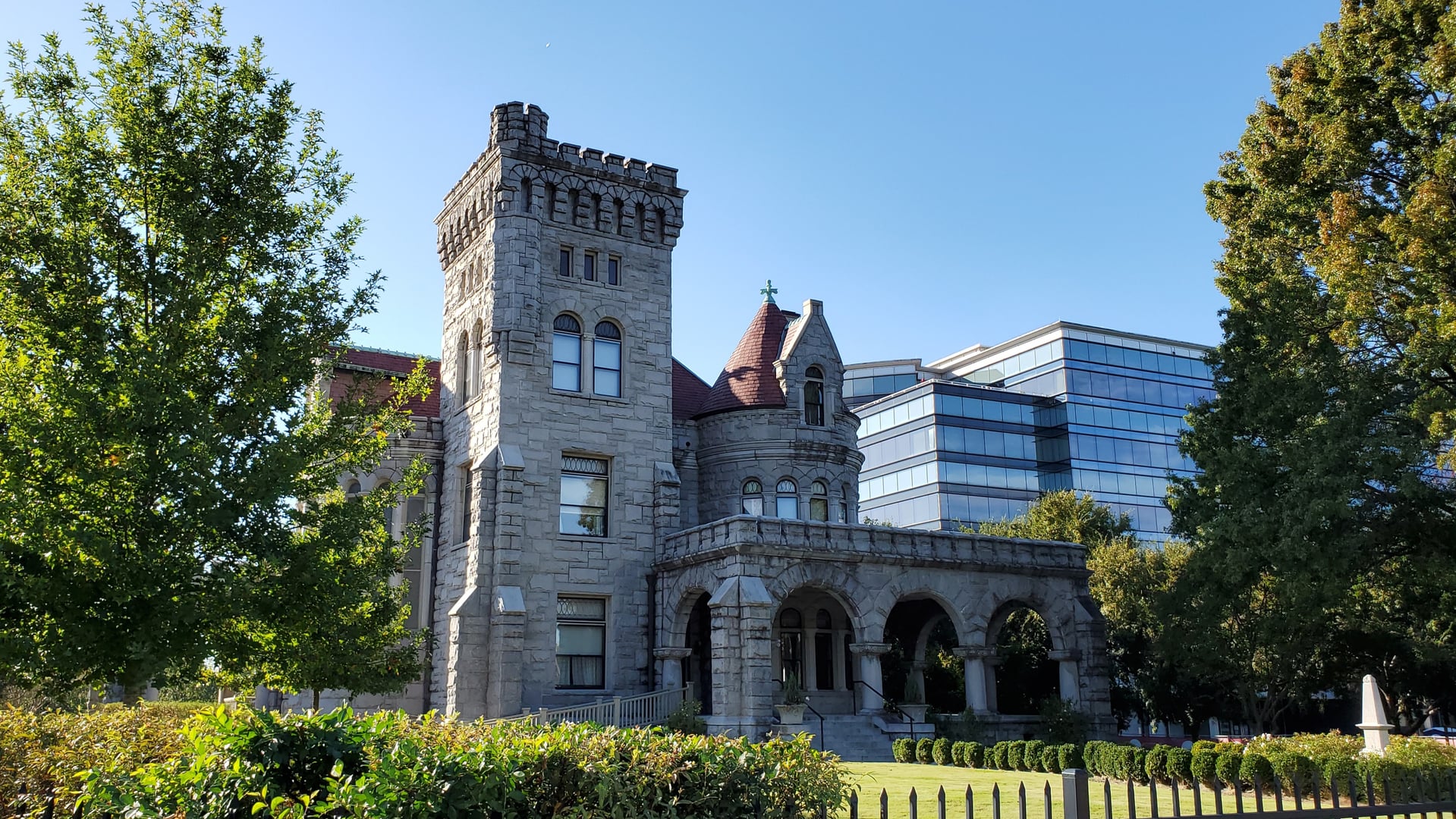
In 1891, Pritchard constructed a Queen Anne-style home at 424 S. Washington Avenue featuring a conical corner tower, wrap-around porch with steep gables, and detailed decorative woodwork characteristic of the period. He and his wife Mary lived there with their children and extended family. The home passed through subsequent Pritchard family generations and remained a private residence for more than a century.
The Brevard County City Commission purchased the property to prevent its deterioration, and the City of Titusville subsequently acquired it in 2016, converting it into a public museum. The North Brevard Heritage Foundation, a nonprofit organization, now manages the property. The museum displays over 300 original Pritchard family items including antique furnishings, textiles, vintage clothing, and artifacts. The surrounding Family History Gardens feature native plants, citrus trees, and commemorative plaques honoring Brevard County pioneer families.
The house was listed on the National Register of Historic Places under reference number 89002167.
Sources
- https://www.visitspacecoast.com/profile/titusville/arts-culture/the-pritchard-house-museum/
- https://www.nbbd.com/godo/PritchardHouse/
- https://en.wikipedia.org/wiki/Pritchard_House_(Titusville,_Florida)
Apparitions in windowsNon-functioning clock that chimes at midnightDisembodied voicesChild's voiceApparition in period dress
Miss Lovie — the nickname for Lola Pauline Smith Pritchard, who married into the family as Boud Pritchard's wife — is the figure most consistently reported by visitors. Accounts describe her as having been protective of the home even in life, disliking uninvited visitors and trespassers. In death, that disposition reportedly continues: nighttime passersby have described a woman in a flowing white dress peering from the upper windows, sometimes appearing composed and other times with a startling quality.
The home's grandfather clock has not functioned mechanically for decades, yet it reportedly chimes at midnight with regularity. Staff and volunteers attribute the phenomenon to Miss Lovie, framing it as a nightly reminder that the living are guests in her home. The chiming has been reported by people inside and outside the building.
Captain James Pritchard himself has been reported inside the house, seen by some visitors in what they describe as a Confederate-era uniform, seated and apparently inattentive to the living around him. His wife Mary has been glimpsed as well, typically through windows during guided tours. A child's voice calling for her mother has also been reported inside the structure, though its source is not attributed to any specific family member.
Museum staff have offered practical explanations — settling woodwork, aging wiring — for some phenomena without dismissing all reports outright.
Notable Entities
Miss Lovie (Lola Pauline Smith Pritchard)Captain James Pritchard