Est. 1851 · First Mine Casualty of the American Civil War · National Historic Landmark · World's Largest Single Civil War Artifact Collection · Civil War Naval History
The Maple Leaf was launched from the Marine Railway Yard in Kingston, Upper Canada in 1851 as a civilian freight and passenger vessel. When the Civil War expanded Union Army logistics demands, the ship was chartered to transport troops and their equipment along Southern waterways. By April 1864 she was operating on the St. Johns River in northeastern Florida, a strategically contested waterway.
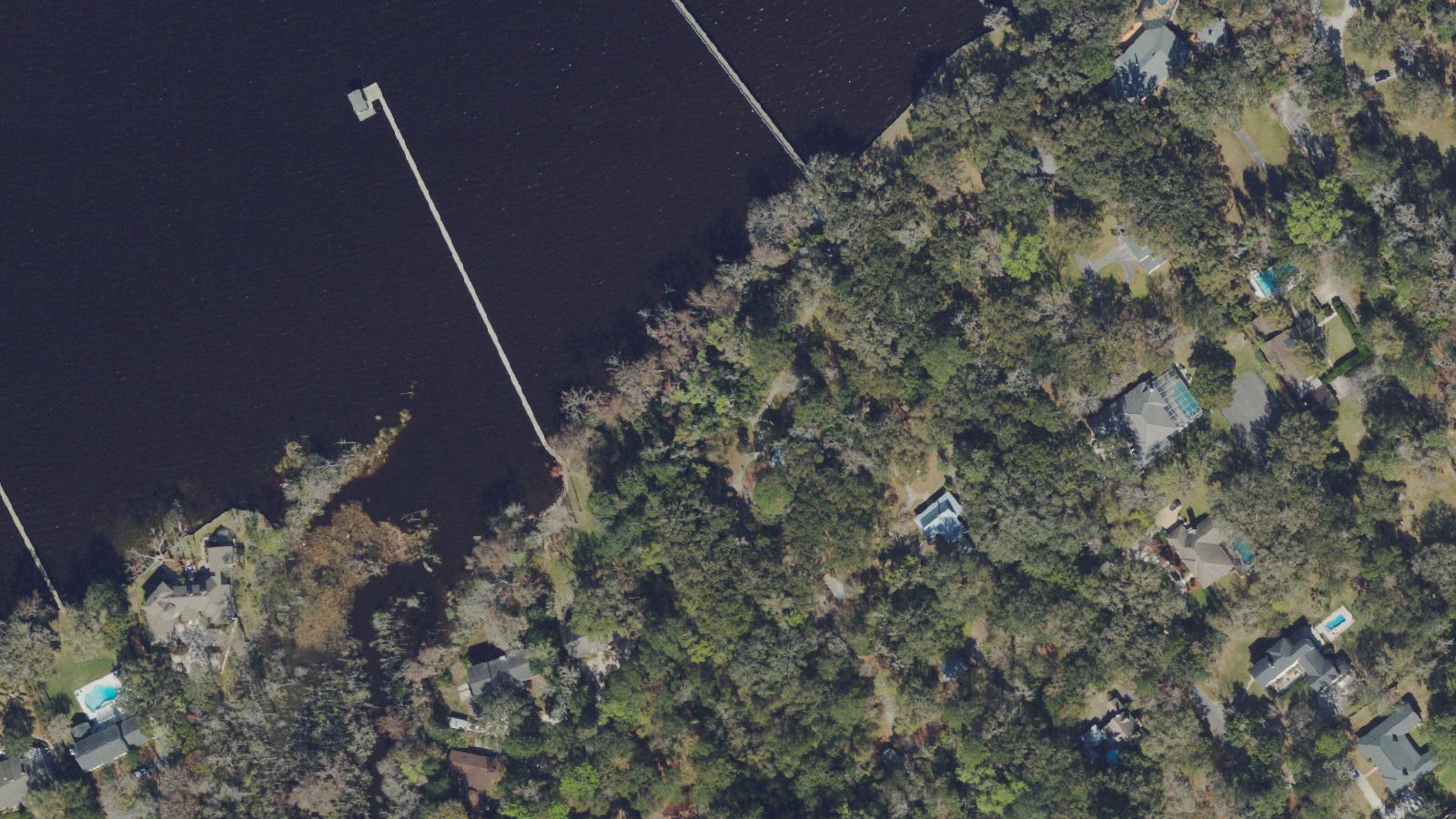
On April 1, 1864, the Maple Leaf was crossing the river near Mandarin Point — approximately 12 miles south of downtown Jacksonville — when she struck a Confederate torpedo, an underwater explosive device, planted in the channel. The blast was severe enough to sink the vessel quickly. Four crew members died in the explosion; the USS Norwich arrived the following day and Captain Henry W. Dale declared the wreck a total loss.
The sinking is historically significant as the first mine casualty of the American Civil War. The Maple Leaf was carrying equipment belonging to the 112th New York Infantry, the 169th New York Infantry, and the 13th Indiana Infantry — including personal gear, weapons, and camp equipment. The river's murky, low-oxygen water preserved this cargo almost intact beneath sediment.
St. Johns Archaeological Expeditions rediscovered and identified the wreck in 1984. Excavations over subsequent years recovered more than 3,000 individual artifacts, recognized as the world's largest single collection of Civil War artifacts from a single site. The U.S. Army Corps of Engineers had removed the superstructure above the main deck in the 1880s to clear the navigation channel, but the lower hull and its contents were preserved. The Maple Leaf was designated a National Historic Landmark on October 12, 1994. Recovered artifacts are on permanent display at the Museum of Science and History in Jacksonville. Diving on the wreck is prohibited.
Sources
- https://www.nps.gov/articles/mapleleaf.htm
- https://en.wikipedia.org/wiki/Maple_Leaf_(shipwreck)
- https://www.mandarinmuseum.org/mandarin-history/maple-leaf
- https://myfloridahistory.org/frontiers/article/65
The Maple Leaf wreck carries no documented paranormal tradition. What makes the site dark-tourism relevant is the documented record: four crew members killed in an explosion, the stranded personal belongings of three Union regiments — rifles, uniforms, mess equipment, letters — sealed in river sediment for over a century before anyone found them.
The four Confederate prisoners of war who were reportedly on deck at the time of the sinking add a layer of uncertainty to the human cost that the historical record has not fully resolved. The wreck itself remains off-limits to divers, and the river visibility near the site is too poor for recreational diving in any case. The artifacts that were recovered are the most direct physical encounter possible with the event — displayed at MOSH in Jacksonville, they represent one of the more complete material records of ordinary Civil War soldier life in any collection.