Est. 1890 · Built circa 1890; Folk Victorian with Queen Anne elements; part of Historic Pensacola Village since the mid-1990s · Occupied 1897–1910 by Captain Benito de Rocheblave (1860–1942), whose family settled in Colonial Spanish Florida ca. 1817 · Interpreted as a 1920s boarding house (year 1927), documenting Pensacola's rapid modernization era
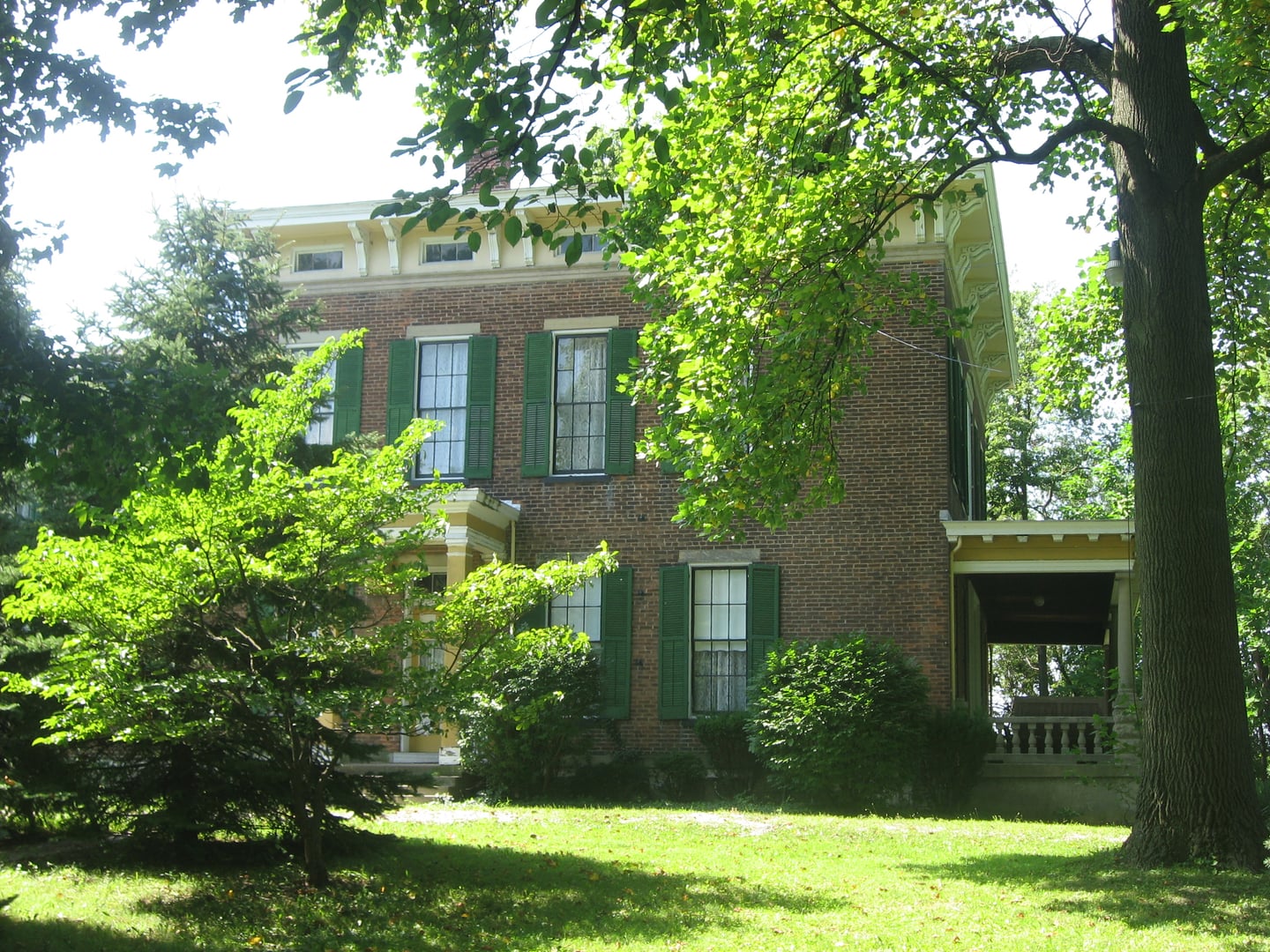
The house at 214 East Zaragoza Street was built around 1890 in a two-story Folk Victorian style with Queen Anne ornamental elements — wood-frame and clapboard, with the decorative fretwork typical of Pensacola's turn-of-the-century residential construction. It was built for John and Kate Lear, though records indicate the couple never actually occupied it.
In 1897, the house was acquired by Captain Benjamin Julian 'Benito' de Rocheblave, born March 11, 1860, and died February 2, 1942. The Rocheblave family had deep roots in West Florida — they settled in Colonial Spanish Florida around 1817 — and Benito worked the Pensacola waterways as a tugboat captain throughout his career. He and his wife raised their five daughters at 214 Zaragoza, living there through approximately 1910.
The house became part of Historic Pensacola Village in the mid-1990s. In 1996, interpreters settled on 1927 as the presentation year — a moment of particular flux in Pensacola's development, when electric streetcars, new construction, and cultural change were all visible in the neighborhood — and configured the interior as a period boarding house. Guided tours are available Tuesday through Saturday, accompanied by the Historic House Tour program that also covers several neighboring village properties.
Sources
- https://historicpensacola.org/plan-your-visit/museums-properties/lear-rocheblave-house/
- https://www.findagrave.com/memorial/97476724/benjamin-julian-de_rocheblave
- https://pointesouth.com/2024/10/31/7-historic-pensacola-haunted-history/
Transparent figure of a young woman dancing in the locked upstairs bedroom (painter's account)Sweet perfume scent in and near the locked bedroom with no identifiable source
The legend of the Lear-Rocheblave House centers on a single specific account, retold across multiple Pensacola historical and paranormal sources, that has attached itself firmly to one room: the upstairs bedroom that has been kept locked throughout the house's use as a museum.
A painter hired to work on the building's exterior, working from a ladder positioned outside the locked bedroom window, looked in and saw a young woman inside. By the accounts that have circulated, she appeared transparent — visible but not solid — and was dancing. She did not acknowledge being observed. When staff investigated and opened the locked room, no one was there. What they found instead was the smell of sweet perfume, present in the empty room without any apparent source.
The perfume scent has been reported independently by paranormal investigators and by Historic Pensacola staff and tour participants over multiple visits, concentrated near the locked bedroom. It is the most consistent physical phenomenon associated with the house. No identity has been firmly attached to the dancing figure; some accounts suggest a connection to the Rocheblave daughters, but this is speculative rather than documented.