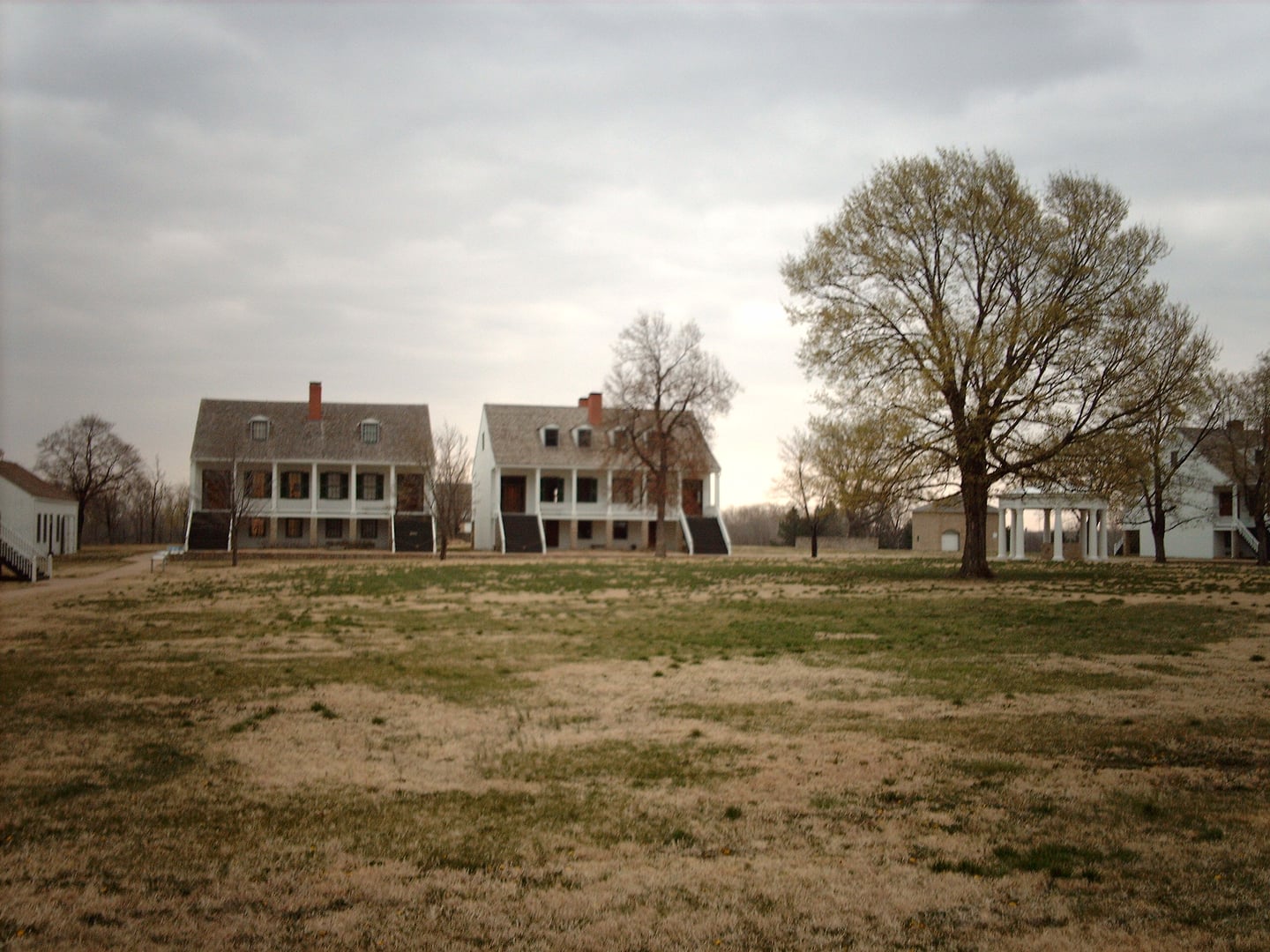
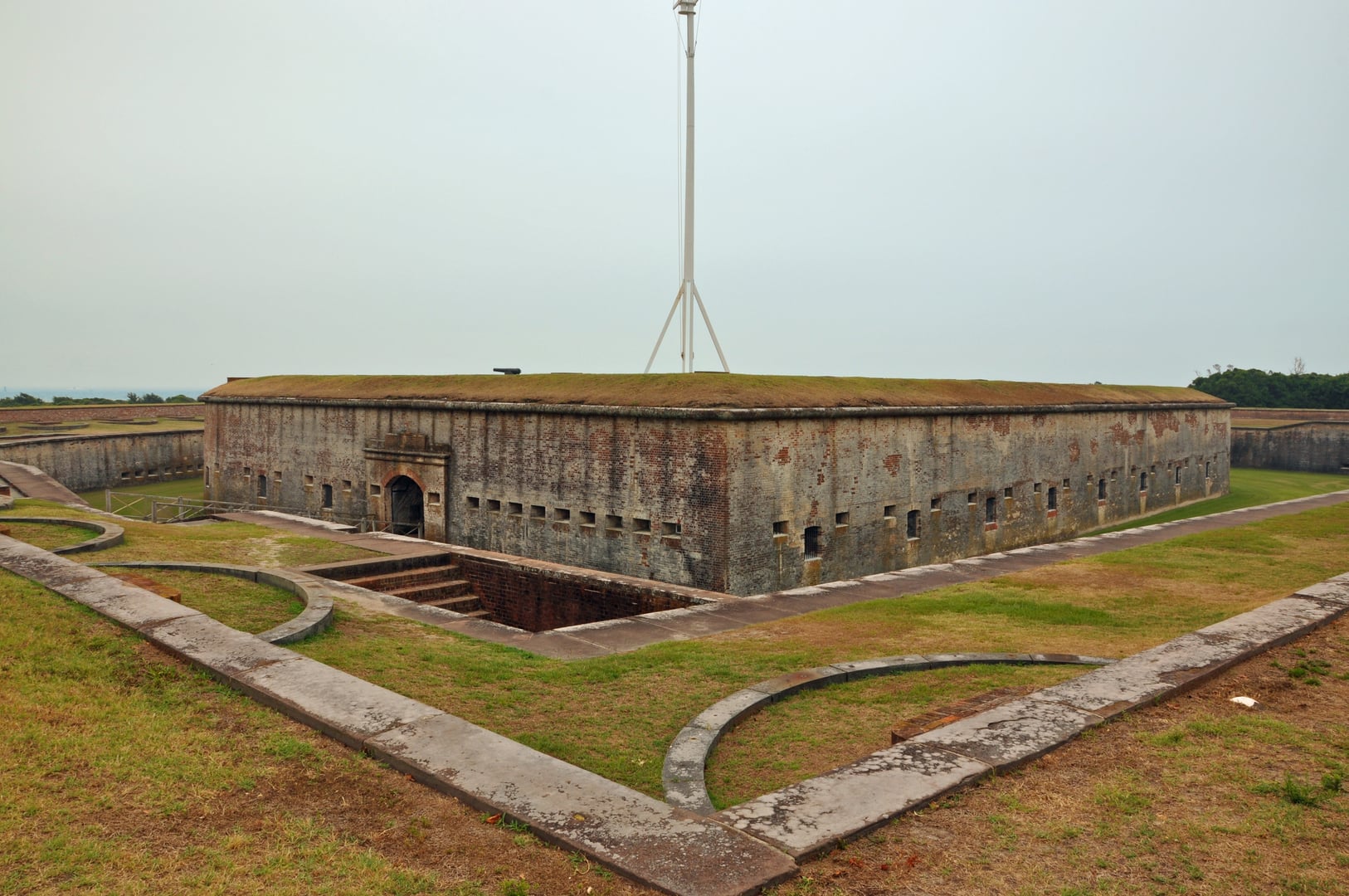
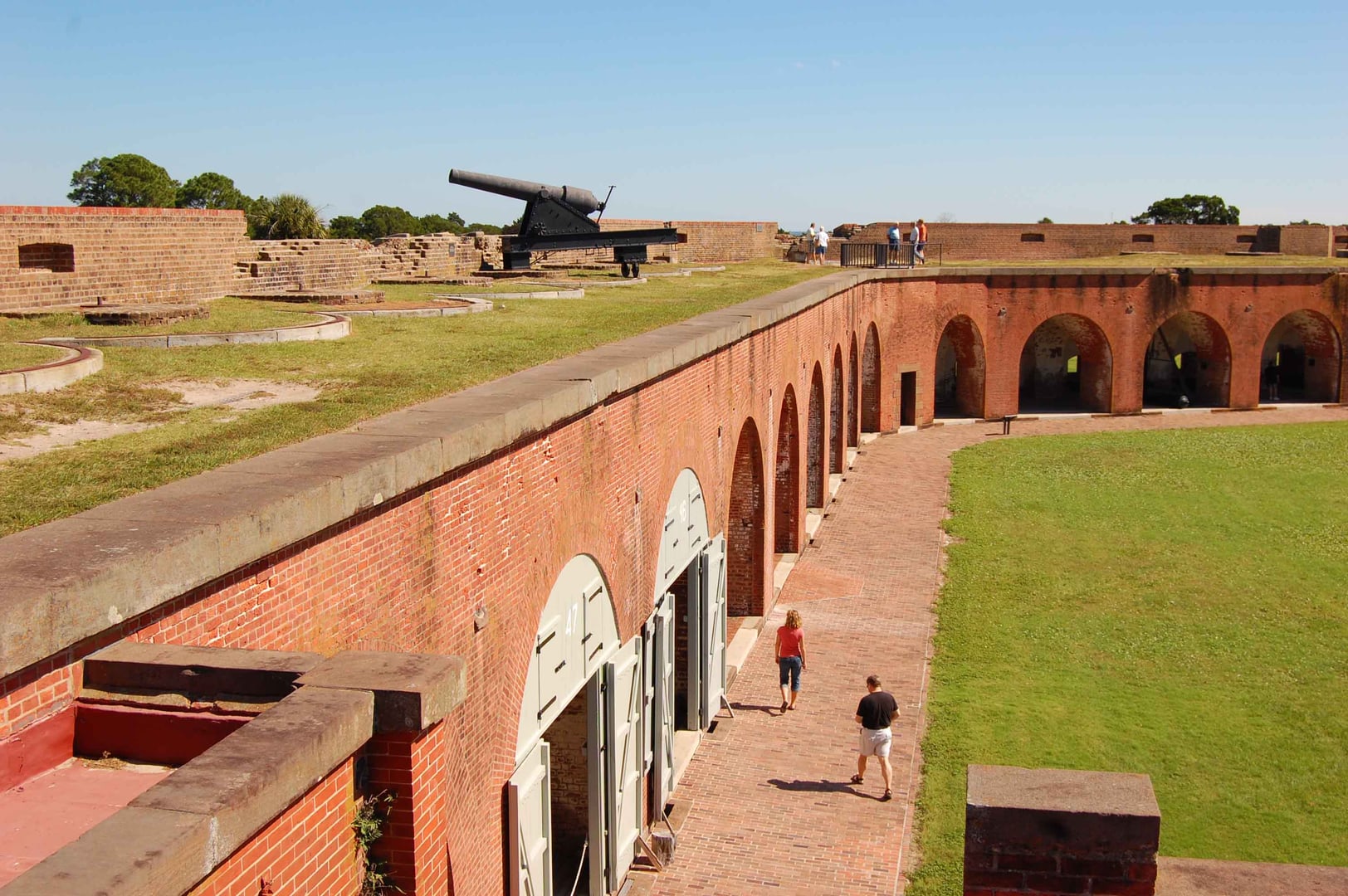
Est. 1827 · Site of Wiley Thompson killing — December 28, 1835 — opening of Second Seminole War · National Historic Landmark (2004) · Birthplace of Marion County and the City of Ocala · Longest and most costly U.S.–Native American conflict
The United States Army established Fort King in March 1827 on the Ocklawaha River drainage of north-central Florida, naming it for Colonel William King, commander of the 4th Infantry. Its purpose was to monitor the Seminole population in the region and enforce U.S. Indian removal policy under the terms of the 1823 Treaty of Moultrie Creek.
Tensions accelerated through the early 1830s as Federal pressure to relocate the Seminoles westward increased. Wiley Thompson, the U.S. Indian Removal Agent stationed at Fort King, became a focal point of Seminole resistance. In June 1835 Thompson imprisoned Osceola — one of the most prominent Seminole leaders — at the fort after Osceola objected to restrictions on Seminole firearm purchases. Osceola was released after agreeing to sign removal paperwork but did not comply.
On December 28, 1835, Osceola exacted a calculated response. While a war party under Chief Micanopy ambushed and nearly destroyed a column of 108 U.S. soldiers under Major Francis Dade approximately 80 miles to the south in what became known as the Dade Massacre, Osceola and his followers attacked Fort King. Thompson and Lieutenant Constantine Smith were killed during an afternoon walk outside the fort's perimeter. These simultaneous attacks formally opened the Second Seminole War.
The conflict lasted seven years — the longest and most costly war between the United States and any Native American nation, costing an estimated $30 million and more than 1,500 U.S. soldiers' lives. Fort King itself was burned in May 1836 and rebuilt in 1837. Every major U.S. Army general and regiment of the period passed through the post at some point. After the war ended in 1842, the fort's location became the county seat of the newly organized Marion County and the nucleus of the city of Ocala.
Congress designated Fort King a National Historic Landmark in February 2004. The City of Ocala opened the site to the public in 2014, and in 2017 a replica of the original fort was reconstructed on the archaeological footprint. The 40-acre site now includes interpretive exhibits and hosts educational and public programming.
Sources
- https://en.wikipedia.org/wiki/Fort_King
- https://www.trailoffloridasindianheritage.org/fort-king/
- https://ftking.org/the-second-seminole-war-and-fort-king-heritage-foundation/
Sense of being watchedUnexplained sounds during evening eventsGeneral unease reported by visitors
Fort King does not have a single iconic ghost narrative the way many commercially haunted sites do, but its claim to dark significance is unambiguous: hundreds of people died in or near this location between 1827 and 1842, among them soldiers, Seminole warriors, and the federal agent whose killing formally opened the Second Seminole War. The Showcase Ocala regional overview frames the fort as a prime candidate for haunting precisely because of the density of conflict and death the site absorbed over a fifteen-year period.
The Historic Ocala Preservation Society includes Fort King on its annual ghost bus tours, and local accounts describe the sensation of being watched in the tree line and unexplained sounds during evening events. The City of Ocala formalizes the site's dark-tourism potential through its annual Haunted Trail — a free nighttime walk that uses the reconstructed fort structures and forested grounds as a setting, drawing on the site's documented history of military violence rather than manufactured mythology.
The indigenous narrative here warrants care. The Seminole people who fought at Fort King were defending their homeland against forced removal; any ghost lore framing their presence as threatening or malevolent misrepresents the historical record. The available accounts simply describe an atmosphere of weight and unease at a place where documented atrocities occurred.
Where this legend is told