Est. 1930 · 1930s Beach Club Architecture · Historic Pavilion Relocation Project · Coastal Recreation Heritage
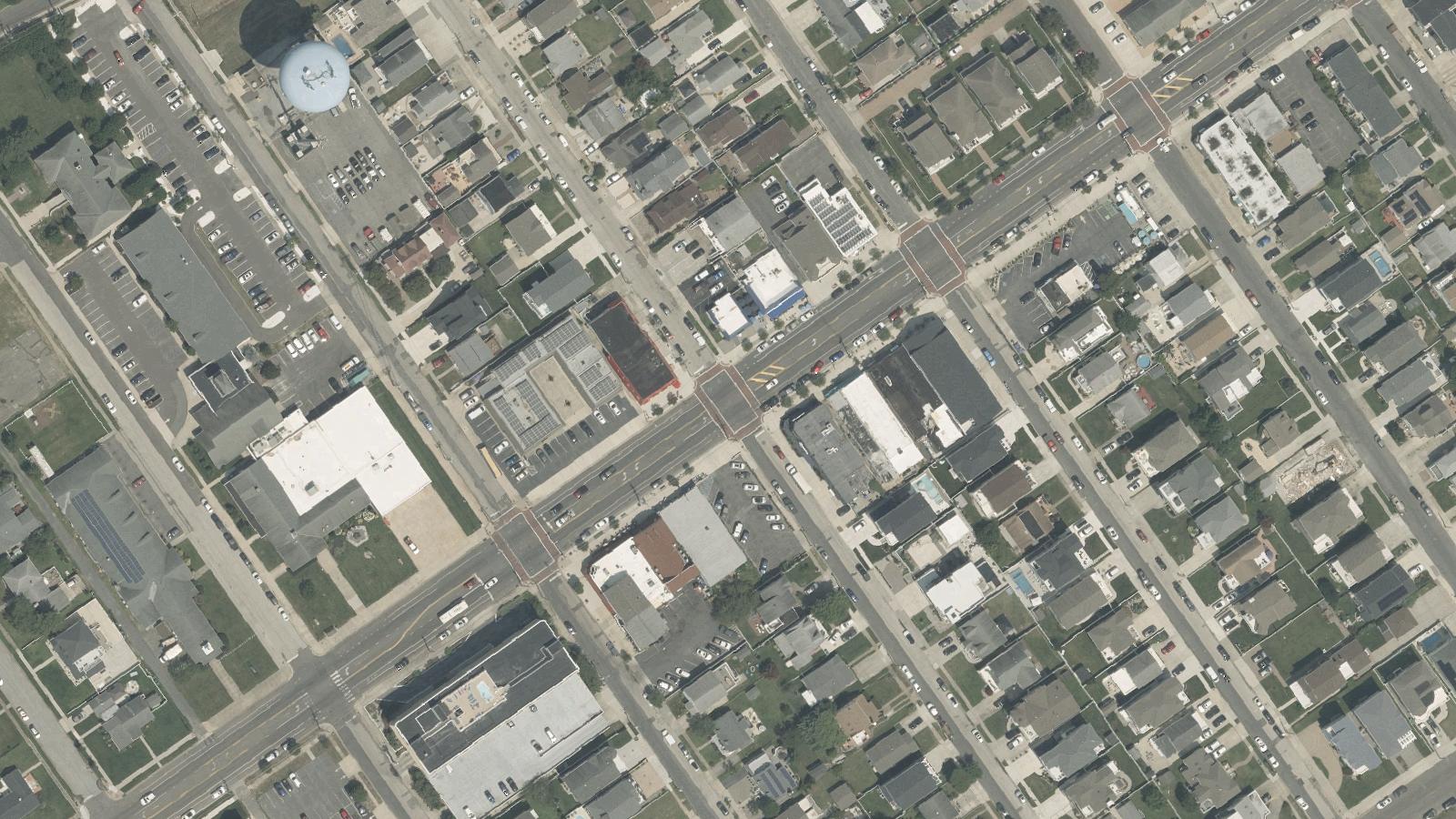
South Inlet Park occupies a significant position on Boca Raton's two-mile Atlantic coastline. The park combines recreational amenities with architectural heritage preservation. The dominant historical structure, the Eshleman Pavilion, dates to the 1930s era and originally served as the Porte Cochere entrance to the Cabana Club. In 1981, the structure was relocated one-third mile north to its current location within the park.
The pavilion was officially recorded in Palm Beach County's Registry of Historic Places on November 17, 1997, and subsequently renamed in honor of Dennis Eshleman, a long-serving Director of the Palm Beach County Parks and Recreation Department. The park offers diverse recreational activities including saltwater fishing from the jetty, swimming on the white sand beach, and picnicking.
The wider Boca Raton region has historical connections to unidentified remains and maritime accidents. In January 1978, construction workers discovered partially buried skeletal remains in unincorporated Boca Raton, which remained unidentified as a Jane Doe for nearly fifty years. The remains were eventually identified in 2024-2026 through DNA genealogy as Patricia Ann (Patsy) Ritchie, a Virginia native, though the circumstances of her death remain incompletely documented.
While no official historical record directly links burial events to South Inlet Park specifically, the regional context of unidentified remains and the park's remote wooded sections have contributed to local folklore regarding concealed burial sites.
Sources
- https://discover.pbc.gov/parks/Locations/South-Inlet.aspx
- https://soooboca.com/south-inlet-beach-and-park-boca-raton/
- https://cbs12.com/news/local/dna-genealogy-confirms-boca-raton-jane-doe-as-virginia-native-patricia-patsy-ritchie-florida-news
ApparitionsHot spotsOrbsResidual haunting
South Inlet Park harbors a persistent local legend rooted in decades of paranormal reports. The narrative centers on an unidentified young woman said to be buried somewhere within the park boundaries, though no physical evidence or remains have been recovered despite numerous searches.
Visitors frequently report thermal sensations that contradict ambient conditions. During cold winter evenings, localized warm areas manifest in otherwise frigid sections of the park. These thermal variations lack conventional explanation—they appear suddenly and are not correlated with structures, thermal vents, or other heat sources. Multiple independent accounts from separate visitors describe identical phenomena in similar locations throughout the park.
Orbs—spherical luminous phenomena—appear with greater frequency during overcast nighttime conditions. Witnesses describe these as self-illuminated, roughly 3-5 feet in diameter, and capable of independent movement. They have been photographed by visitors, though the images typically show circular light artifacts rather than discrete three-dimensional objects.
A female apparition reportedly manifests throughout various park locations. The figure appears solid and corporeal, often facing away from observers. When spotted, it maintains presence for several seconds before dissipating. Search parties have repeatedly combed the park following apparition sightings, finding no evidence of physical intruders or unauthorized persons. The consistency of description across multiple decades of reports—always female, always solitary, always vanishing upon approach—suggests a residual manifestation anchored to a specific traumatic event.
The confluence of unidentified burial legend, thermal anomalies, and recurring apparition sightings across a fifty-year span of documented reports distinguishes South Inlet Park as a location of sustained paranormal activity rather than isolated incident.
Notable Entities
The Woman in the ParkUnnamed Burial