Est. 1600 · Maritime Disasters · Pirate History · Shipwreck Recovery · 19th Century Tragedies
Brigantine, named for the brigantine-style ships prevalent in the 1600s, emerged as a maritime crossroads with a tragic history. The offshore shoals surrounding the barrier island earned a grim reputation—over three hundred vessels wrecked on these shoals across a two-hundred-year period, with particularly severe casualties in the 1800s.
One of the most notable tragedies attributed to the Brigantine shoals was the wreck of the Scottish barque Ayeshire on December 29, 1849, carrying 200 passengers. This disaster marked a historical milestone in the development of life-saving techniques and pressure on the federal government to establish lighthouse and life-saving services along the New Jersey coast.
Brigantine's early history also included pirate activity. Local legend recounts tales of the beach serving as a scene of violent confrontations, treasure burials, and orchestrated wrecks caused by roaming bandits using false beacons to lure vessels onto the shoals.
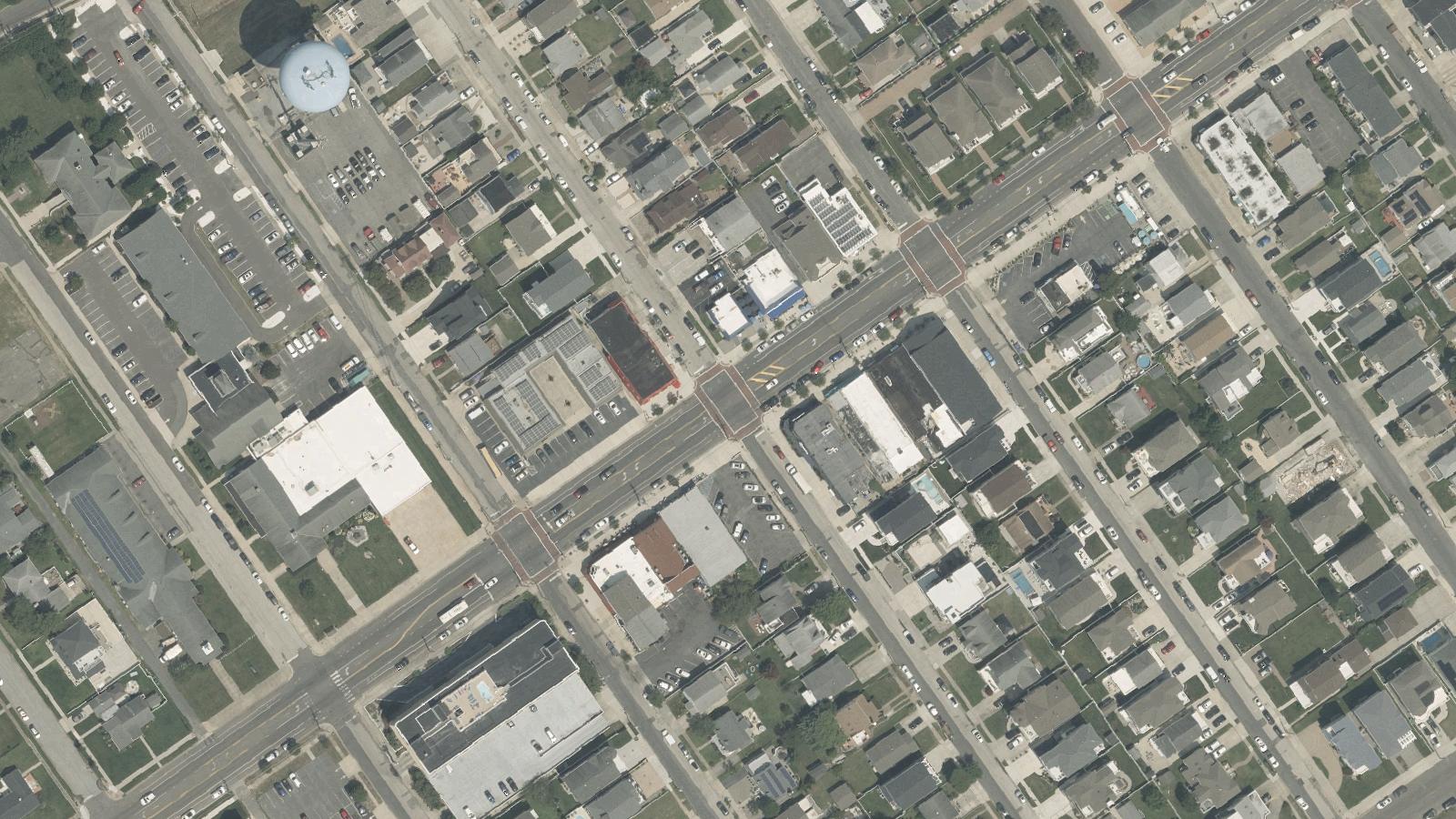
13th Street South occupies prime oceanfront real estate in the modern Brigantine. The street sits one block from the beach, with the beach path and ocean access immediately adjacent to residential properties. The area remains a coveted residential and recreational zone, with surf fishing permitted along the stretch between 9th and 13th Streets South.
Sources
- https://pressofatlanticcity.com/news/local/brigantine/article_61f4fbe8-ac1b-5d7d-9439-da3b1f157156.html
- https://brigantinenow.com/brigantine-promotional-film/
- https://en.wikipedia.org/wiki/Brigantine,_New_Jersey
ApparitionsVanishing figures
The most consistent paranormal report associated with 13th Street in South Brigantine involves the apparition of a lady in white, observed specifically around the midnight hour.
Witness accounts describe a recurring phenomenon: a female figure dressed entirely in white walks up the beach path toward the residential area. The apparition moves with deliberate, human-like motion. Partway along the path, the figure stops and turns around, reversing direction. The figure then sits on the path itself, as if pausing to rest or contemplate. Moments later, the apparition vanishes completely—disappearing from view without walking away or otherwise leaving the area through visible means.
The phenomenon is interpreted by paranormal investigators as a residual haunting—a repeating psychic imprint of a past event, potentially related to a drowning or maritime tragedy in Brigantine's extensive history of shipwrecks and maritime disasters. The white dress could indicate a woman from an earlier historical period, possibly from the 19th century when shipwrecks were frequent on the barrier island's treacherous offshore shoals.
No documented death or incident has been specifically connected to the 13th Street location, though Brigantine's general history of drownings and the offshore Ayeshire wreck tragedy (December 29, 1849) provide historical context for maritime-related paranormal activity throughout the island.
The specificity of the midnight timing and the lady's deliberate, purposeful movements suggest an intelligent or semi-intelligent apparition rather than random poltergeist activity. The sitting motion—pausing on the path—indicates a communicative or contemplative haunting rather than a simple replay of a traumatic moment.
Notable Entities
The Lady in White