Est. 1914 · The 1914 steel-truss bridge is the oldest of its type in Florida · Site associated with Elizabeth Jane Croom Bellamy, who died of malaria May 11, 1837 · Ghost sightings documented in an 1890 Marianna newspaper — predating the fabricated burning-bride legend by 50 years · Samuel C. Bellamy's death by suicide December 28, 1853, documented in the Tallahassee Floridian and Journal
Elizabeth Jane Croom was the daughter of a wealthy North Carolina planter who married Dr. Samuel C. Bellamy on July 15, 1834 — in North Carolina, not Florida, despite what the embellished legend later claimed. The couple moved to Florida, where Elizabeth contracted malaria. She died on May 11, 1837, at eighteen years old, having given birth to a son named Alexander, who died seven days after her mother from the same fever.
Samuel descended into depression and severe alcoholism after Elizabeth's death. According to the Tallahassee Floridian and Journal, three days after Christmas on December 28, 1853, he took his own life with a straight razor at Chattahoochee Landing. His request to be buried beside Elizabeth was denied; he was placed in an unmarked grave.
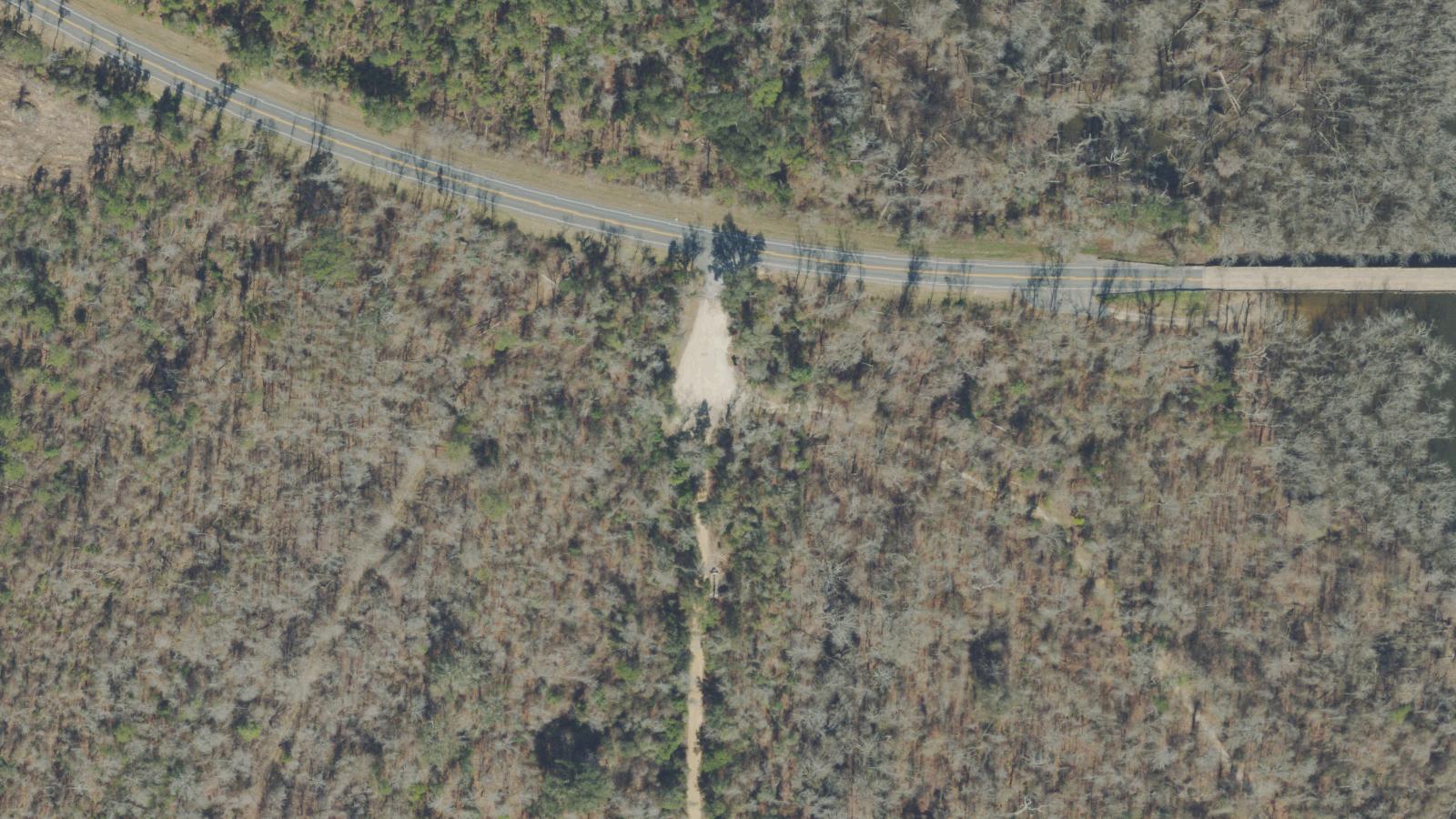
The bridge over the Chipola River that carries the Bellamy name was first constructed in 1851 by Dr. Horace Ely and Bird B. Hathaway on land associated with Bellamy, serving a new road that Jackson County's board had cut from Campbellton to Port Jackson. The current steel-truss span was built in 1914 by the Converse Bridge and Steel Company for $2,389 at 119 feet long. Only the metal trusses remain standing — the wooden deck is gone.
The heritage trail that provides access to the bridge is managed by the Florida Fish and Wildlife Conservation Commission and runs 1.2 miles round-trip through floodplain swamp. An informational sign at the bridge gives historical context on the Bellamys and the legend.
Sources
- https://bellamybridge.org/ghost1.html
- https://www.clickorlando.com/features/2024/10/16/this-is-the-most-haunted-bridge-in-florida-heres-why/
- https://www.exploresouthernhistory.com/bellamybridge.html
- https://floridahikes.com/bellamy-bridge-heritage-trail/
Apparition of a woman near the bridge, documented since at least 1890Reports of a woman's figure near the water at dusk
The earliest documented account of Elizabeth Bellamy's ghost at the Chipola River crossing appeared in an 1890 Marianna newspaper, which noted simply that 'the lady of Bellamy Bridge has been seen of late.' This establishes the haunting tradition as predating the 20th century by decades and as rooted in reports of a woman's apparition near the bridge — not in the dramatic narrative that would follow.
The burning-bride legend, in which Elizabeth is said to have died in flames on her wedding night after a candelabra knocked over while she slept, was blended into the story in the 1940s from an antebellum novel by Caroline Lee Hentz. The bellamybridge.org site, operated by the heritage trail's supporters, explicitly addresses this: Elizabeth did not die by fire, she was not newly married when she died in Florida, and the wedding described in the legend did not take place. The actual facts — malaria at eighteen, a son dying a week later, a husband who survived fifteen years before taking his own life — require no theatrical overlay.
Visitors to the trail continue to report encounters with a woman's figure near the water's edge, particularly at dusk. The bridge's remote setting in swampy hardwood floodplain, combined with the documented history of real grief attached to the location, gives the site a character that the invented fire story only dilutes.
The bellamybridge.org site notes that 'with the exception of the burning bride part — which was blended into the story in the 1940s from an antebellum era novel by Caroline Lee Hentz — the story is true.'
Notable Entities
Elizabeth Jane Croom Bellamy (1819–1837)