Est. 1859 · Civil War Prison Site · Third System Coastal Fortification · Delaware State Park · Joseph G. Totten Design
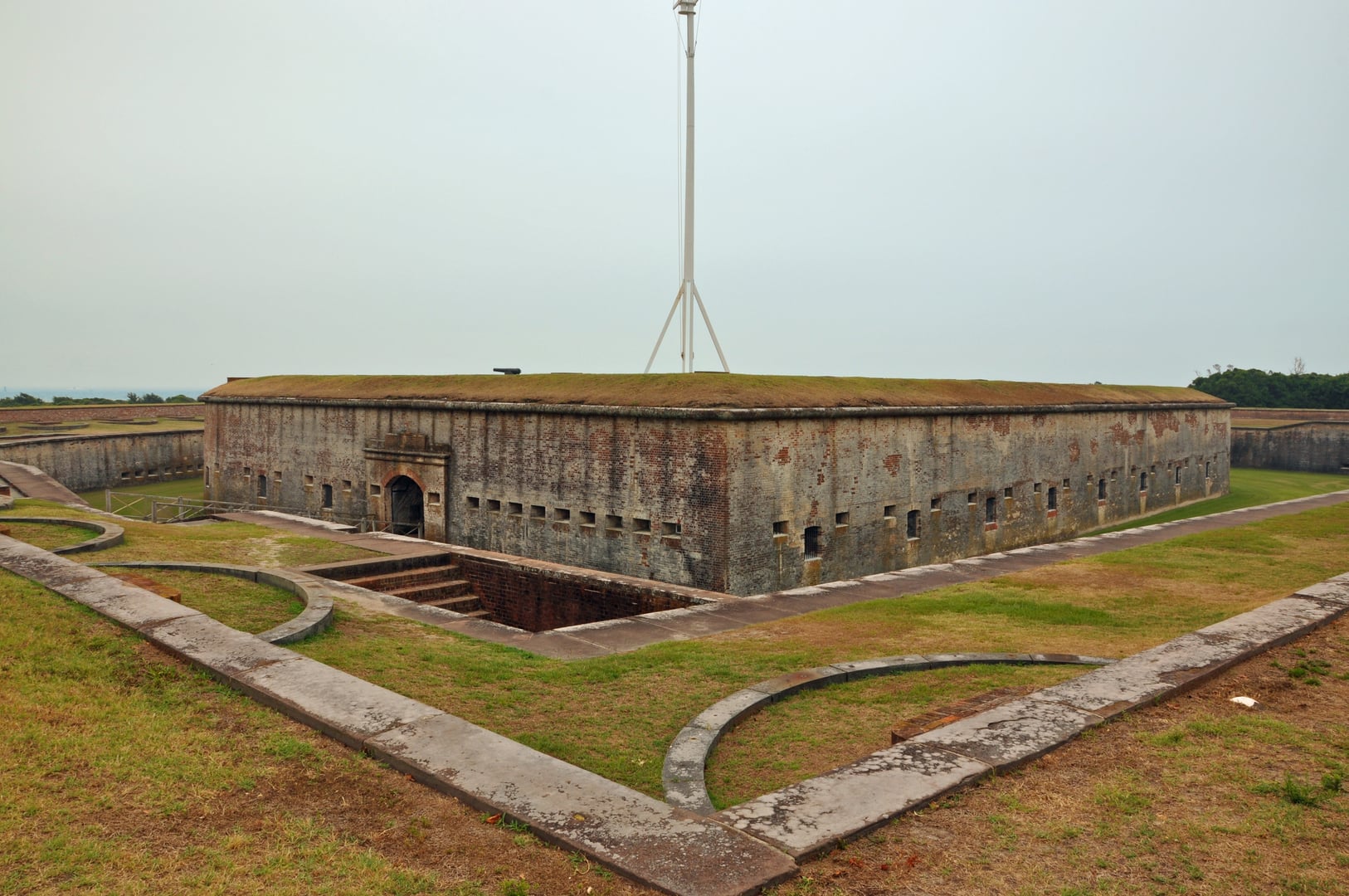
Fort Delaware sits on Pea Patch Island, a low sandbar in the Delaware River south of Wilmington. Construction of the present granite fortress began in the 1840s and was completed in 1859, replacing an earlier wooden fort that had burned in 1831. The fort's design, by chief engineer Joseph Gilbert Totten, followed the standard Third System pattern of stone coastal fortifications built between the War of 1812 and the Civil War.
During the American Civil War, the U.S. War Department converted Fort Delaware into one of the largest prison facilities in the Union system. By August 1863 the island held more than 11,000 prisoners. Over the course of the war, nearly 33,000 men passed through the prison: Confederate soldiers, political prisoners, civilian internees, federal convicts, and captured privateers.
Conditions were comparatively better than at Andersonville or Elmira, but still produced significant mortality. Approximately 2,500 prisoners died on the island during the war. Roughly half of those deaths occurred during a single smallpox epidemic in 1863. The dead were buried on the island and later relocated to Finn's Point National Cemetery in New Jersey.
The fort remained in U.S. military use through the World Wars and was decommissioned in the mid-twentieth century. Delaware acquired Pea Patch Island in 1947, and Fort Delaware State Park opened in 1951. The island is also a major heron and egret rookery, and the state park interprets both the military history and the natural-resource value of the site.
Sources
- https://en.wikipedia.org/wiki/Fort_Delaware
- https://historynet.com/explore-the-haunting-remains-of-civil-war-prisons/fort-delaware-pea-patch-island-delaware/
- https://dnrec.delaware.gov/outdoor-delaware/unveiling-delawares-dark-secrets-exploring-the-haunted-fort-delaware-and-beyond/
ApparitionsPhantom footstepsPhantom voicesEVPCold spotsShadow figures
Civil War prison sites consistently produce some of the most documented paranormal reporting in American dark-tourism literature, and Fort Delaware has long figured among the most-cited examples. The fall paranormal program operated by Diamond State Ghost Investigators has accumulated years of investigator notes and visitor accounts.
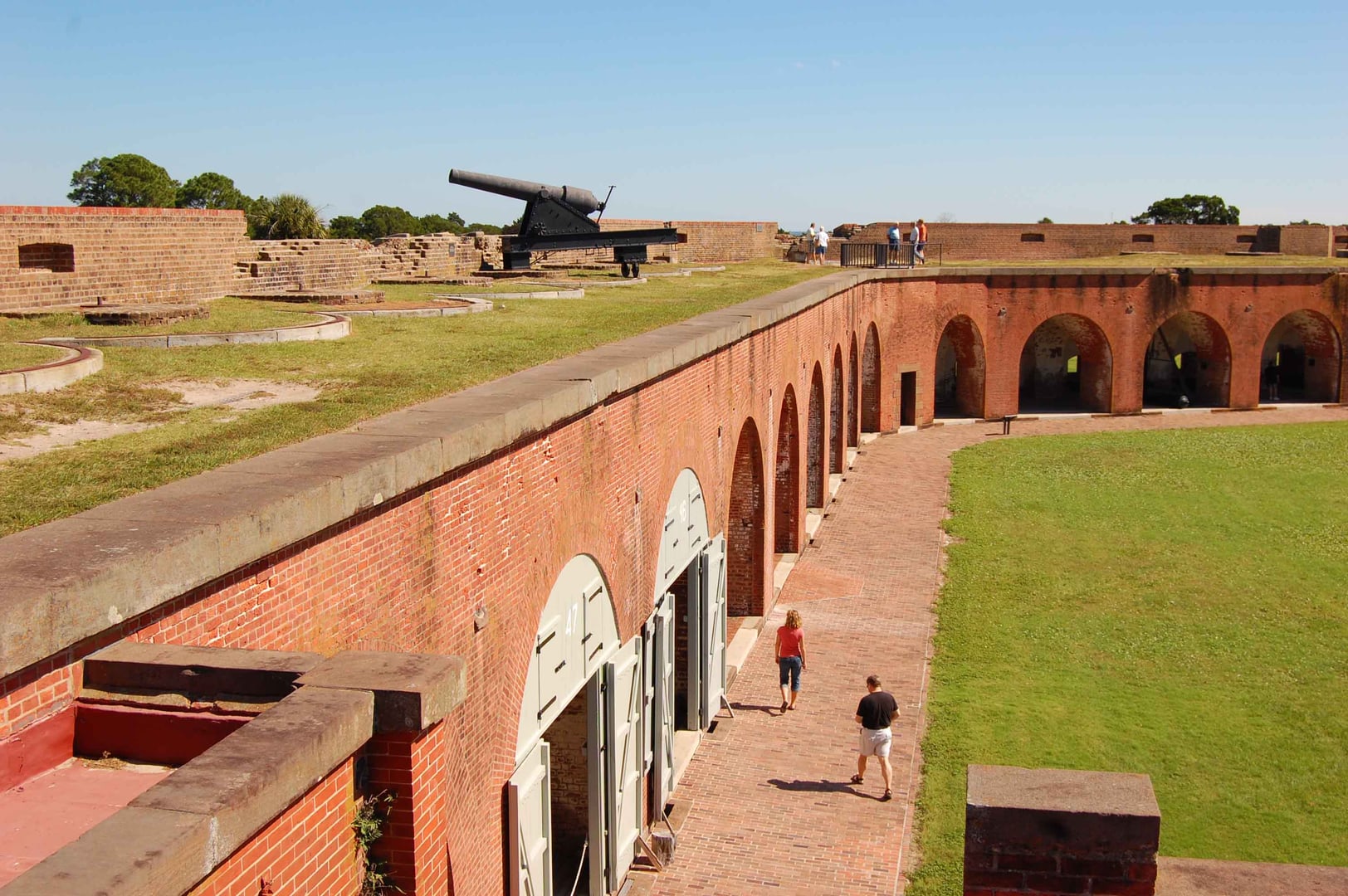
Reports describe the sound of footsteps moving along the casemate corridors, distant voices in prisoner-barracks rooms, and EVP recordings collected by visiting investigators. Apparitions of men in nineteenth-century military clothing have been described by ferry-staff members and by visitors during the regular daytime living-history program. The casemates, kitchens, and prisoner sleeping areas are the most-cited specific locations.
The park's interpretive material approaches these accounts with archival neutrality. Living-history interpreters present the prisoner experience through documented diaries and letters rather than through ghost narrative. The combination of unusually well-documented prison history and decades of accumulated visitor accounts gives Fort Delaware a stronger evidentiary footing than most haunted-site marketing.