Est. 1819 · Civil War Battle of Mobile Bay · Third System Coastal Fortification · Alabama State Historic Site · Spanish-American War · World War I · World War II
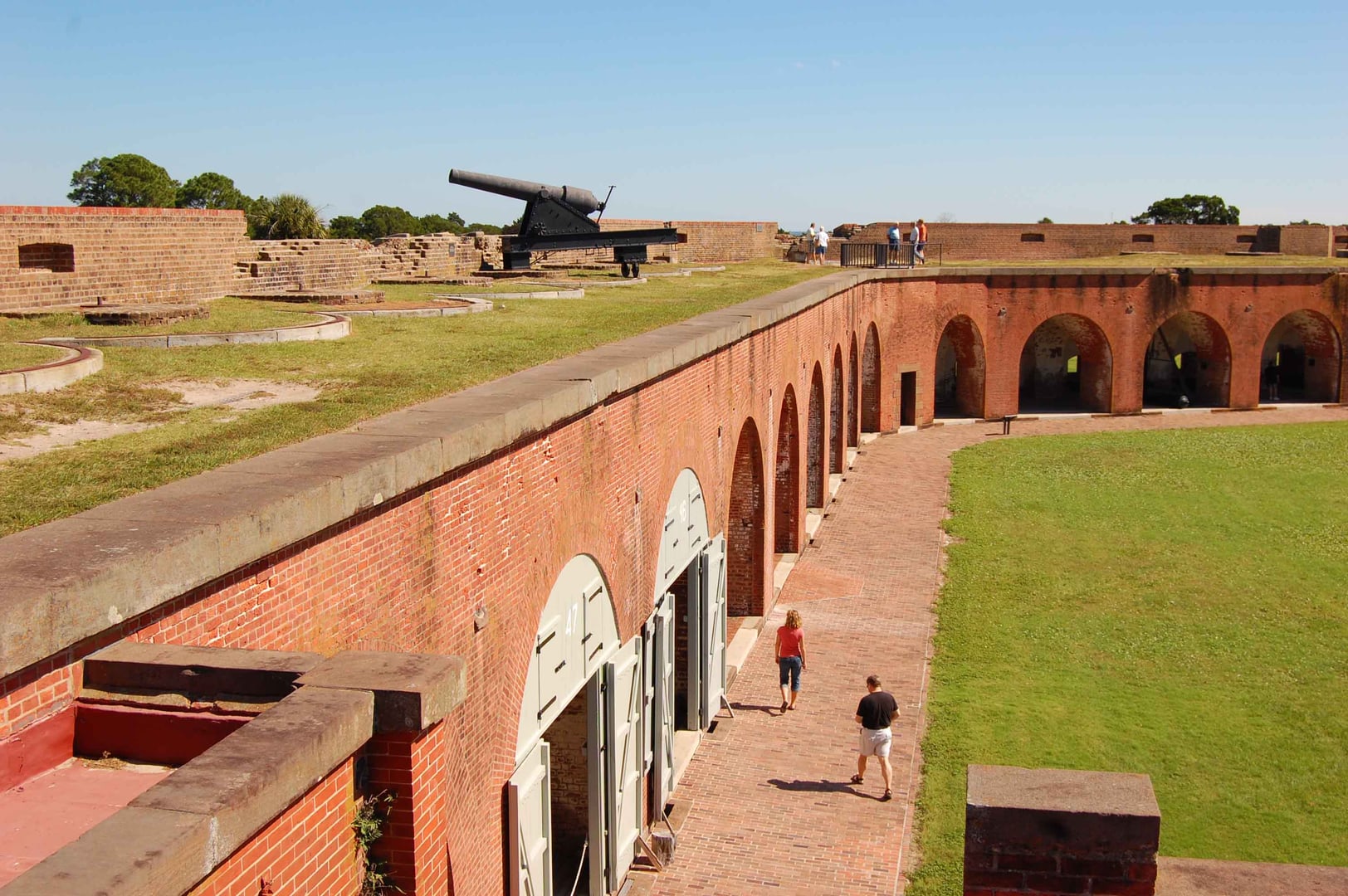
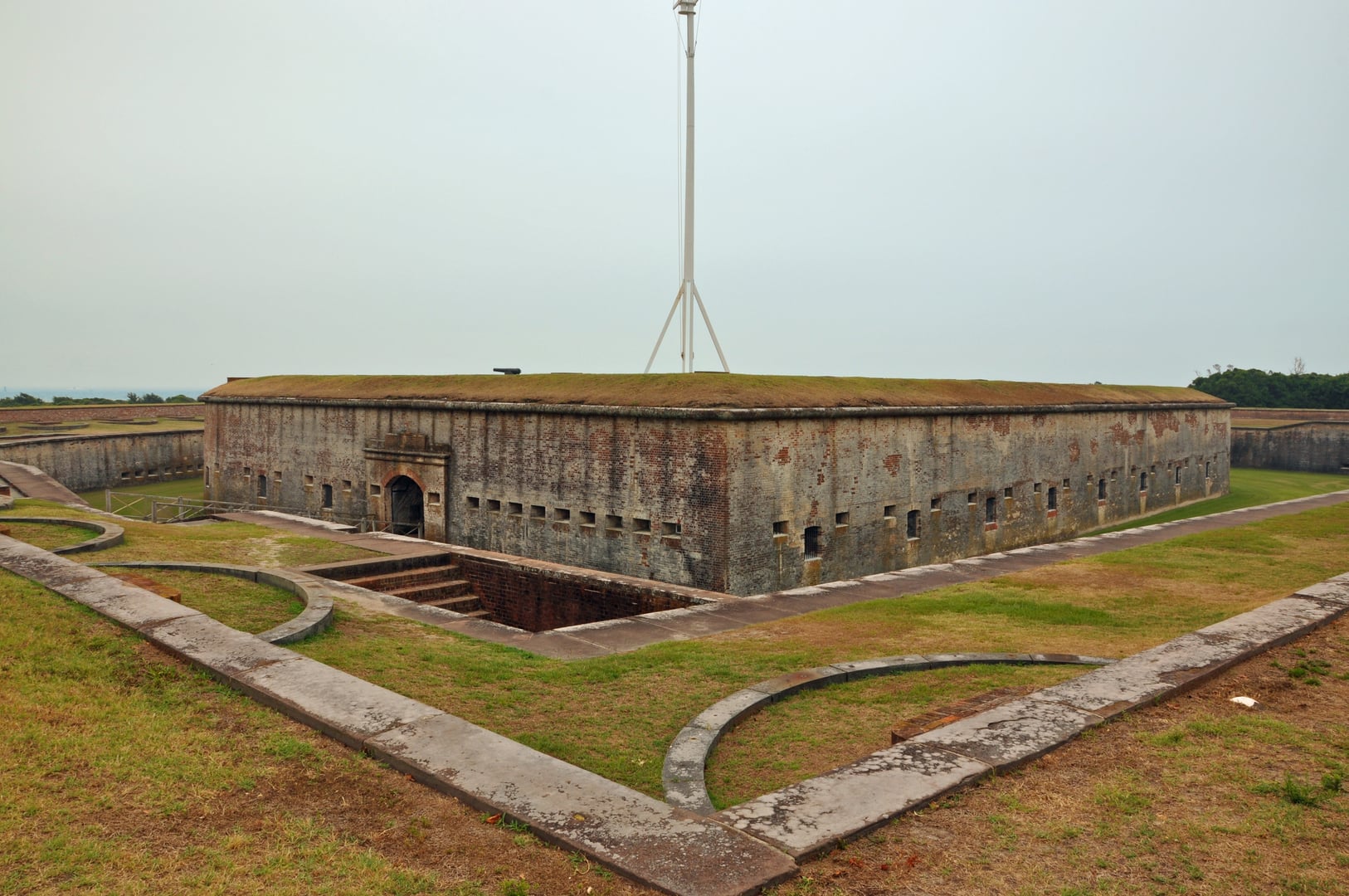
Fort Morgan occupies the eastern tip of the Fort Morgan Peninsula at the mouth of Mobile Bay, twenty-two miles west of Gulf Shores. Construction took place between 1819 and 1833 under federal supervision as part of the Third System of American coastal fortifications, and the resulting brickwork was, on completion, considered the finest example of military architecture in the New World.
The fort's most consequential service came on August 5, 1864, during the Battle of Mobile Bay, when Admiral David Farragut led a Union fleet past the fort and the Confederate ironclad CSS Tennessee in the engagement that produced the line attributed to him about damning the torpedoes. After the Civil War, the fort continued to receive periodic military investment, with reinforced batteries and barracks added during the Spanish-American War and both World Wars before final deactivation in the 1940s.
The Alabama Historical Commission now manages the site as Fort Morgan State Historic Site, with a museum, daily admission, and seasonal programming. The fort is closed Thanksgiving Day, Christmas Day, and New Year's Day, with the grounds open 8am to 5pm and the museum open 9am to 4pm.
Sources
- https://ahc.alabama.gov/properties/ftmorgan/ftmorgan.aspx
- https://ahc.alabama.gov/FtMorganPlanYourVisit.aspx
- https://www.alabamaliving.coop/articles/ghosts-spirits-said-to-wander-the-grounds-at-fort-morgan/
- https://www.wkrg.com/haunted-history/spirits-bring-haunted-life-back-to-fort-morgan/
Shadow figuresApparitionsPhantom voicesPhantom soundsCold spotsDisembodied screaming
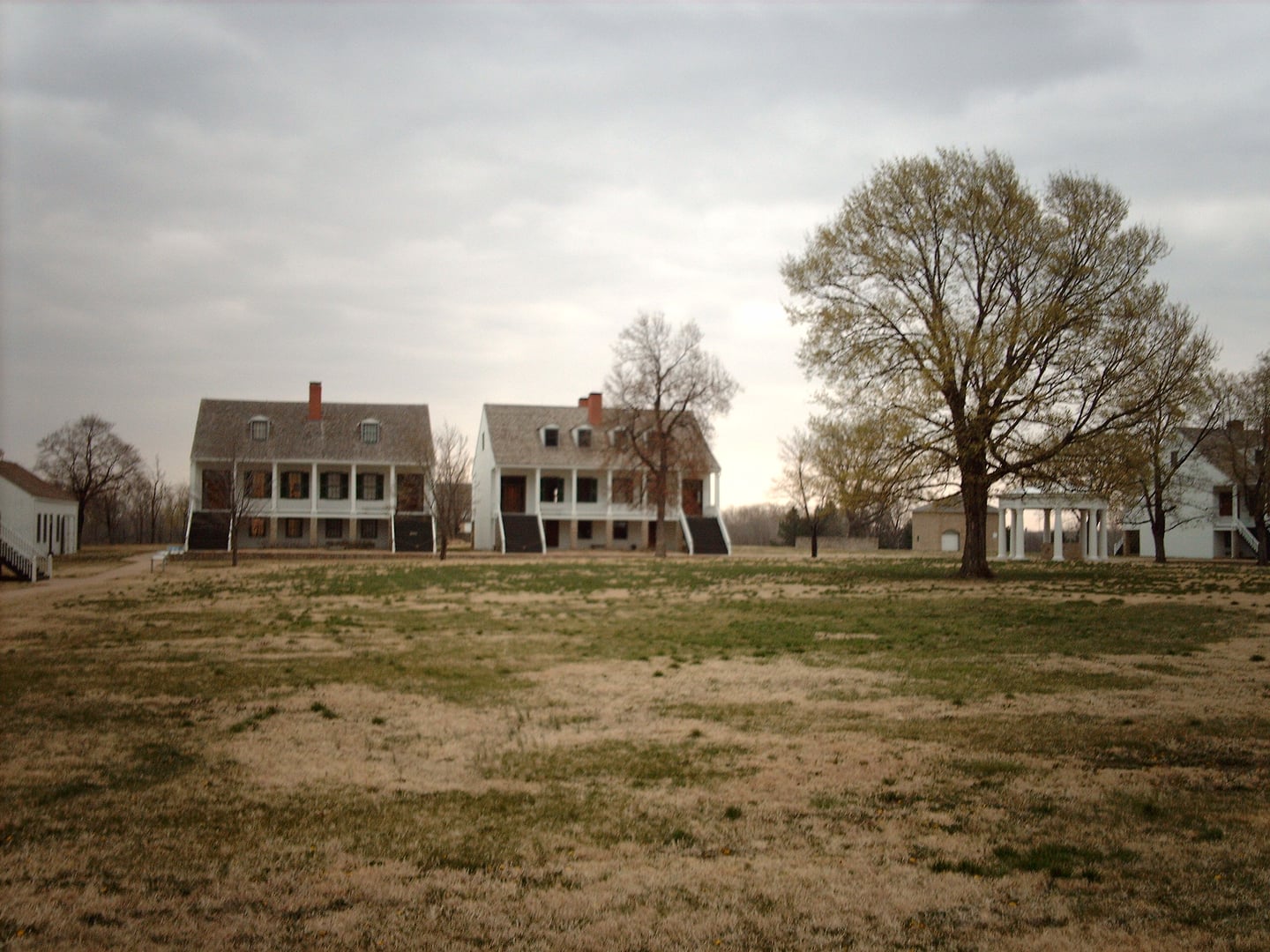
Fort Morgan has accumulated a layered set of paranormal accounts spanning more than a century of military use and abandonment. The most consistently reported area is the old barracks, where a prisoner is said to have died in 1917 and where late-night visitors have reported hearing crying. A second recurring account describes a woman whose figure is reported to walk the parade ground and bastions on misty nights.
Long-running local reporting, including Alabama Living and WKRG News 5 coverage of the after-dark tours, also references Civil War-era casualties whose voices are reported in casemates where artillery accidents occurred. Visitors and tour groups describe sensations of being watched, shadow figures crossing the rampart walls, and sudden cold spots within the masonry interior.
The Alabama Historical Commission permits paranormal programming on the site through Pensacola History and Hauntings, whose Fort Morgan After Dark Ghost Investigation operates several evenings each year in cooperation with the Second Sight Paranormal TV team. The tour combines documentary military history with the accumulated witness accounts and provides ghost-hunting equipment for participants. AHC itself does not market the fort as haunted; the After Dark program is the only sanctioned paranormal access to the property.
Notable Entities
The Misty LadyThe 1917 Prisoner