Guided Tour Booking Required
Woodrow Wilson House Museum Tour
Tour of the only presidential residence-museum in Washington, with the bedroom where Wilson died preserved as he left it.
- Duration:
- 1 hr
HauntBound archive · catalog record
Reported phenomena, as catalogued
+ 1 further entry on record
Kalorama-district Georgian Revival town house where Woodrow Wilson spent his last years after leaving the presidency and died in 1924; staff and visitors report his shuffling gait and sobbing on the third floor.
2340 S Street NW, Washington, DC 20008
Research updated May 2026
Age
All Ages
Cost
$$
Adult admission roughly $15; lower for seniors and students.
Access
Limited Access
Historic home with multiple flights of stairs; ground-floor partially accessible.
Equipment
Photos OK
Est. 1915 · Final residence of President Woodrow Wilson · Site of Wilson's death, February 3, 1924 · Only presidential residence-museum in Washington, D.C. · National Historic Landmark; managed by the National Trust for Historic Preservation
The Woodrow Wilson House is a five-story brick Georgian Revival town house in the Sheridan-Kalorama Historic District, just off Embassy Row. It was designed in 1915 by Washington architect Waddy Butler Wood for businessman Henry Parker Fairbanks. Woodrow Wilson, completing his second term as President, purchased the house in December 1920 as a retirement gift to his second wife, Edith Bolling Galt Wilson.
Wilson had suffered a serious stroke in September 1919 while on a national tour promoting U.S. ratification of the Treaty of Versailles and entry into the League of Nations. The stroke left him paralyzed on his left side and significantly impaired. Edith Wilson and a small circle of aides effectively managed access to him for the remainder of his presidency, and he completed his term in greatly diminished health.
The Wilsons moved into the S Street house in March 1921, immediately after leaving the White House. Wilson made few public appearances during his three years in the house. He died in an upstairs bedroom on February 3, 1924, at the age of 67.
Edith Wilson remained in the house until her own death on December 28, 1961 — the centennial of her husband's birth. By the terms of her will, the property and its contents passed to the National Trust for Historic Preservation, and the house was opened to the public in 1963 as the Woodrow Wilson House Museum. It is the only presidential residence-museum in Washington, D.C., and the only town-house museum dedicated to a 20th-century president.
Sources
Reports of Wilson's continuing presence in the house emerged within decades of his 1924 death. The Baltimore Sun's 1992 'Washington Haunts' feature, ScaryDC, and the Wikipedia compendium of DC haunted locations describe a consistent profile: a shuffling gait associated with Wilson's paralysis and use of a cane, heard moving along upstairs corridors when no one is walking; a faint melancholy whistling, sometimes localized to the fourth floor; and the sound of a man sobbing softly in the upstairs bedroom where he died.
Visual sightings are less common but more specific. Multiple ghost-tour sources (DC Ghosts; ScaryDC) describe an almost-transparent, pale-gray figure seated at Wilson's desk in the study, dressed in shirt and tie with the lower body covered by a lap robe and with facial features that 'show symptoms of a paralytic stroke.' The lap-robe detail is consistent with the documented later-life Wilson and lends the reports an unusual specificity.
The museum does not market the property as haunted, but staff over the years have acknowledged the recurring nature of the reports. The framing of Wilson's haunting is generally melancholic — a man who outlived his health and his political ambitions — rather than dramatic. Coverage by District Real Estate and Haunted Places likewise emphasizes the sorrow rather than the fear.
Notable Entities
Media Appearances
Tour of the only presidential residence-museum in Washington, with the bedroom where Wilson died preserved as he left it.
Some links on this page may earn HauntBound a small commission when you book, at no extra cost to you. Our editorial picks are independent. Full disclosure
Every HauntBound history is researched from documented sources. We clearly separate verified historical fact from paranormal folklore.
Free Guide
Verified stops across all fifty states, rated for families. Free.
One email to confirm, then the guide link. Unsubscribe anytime.
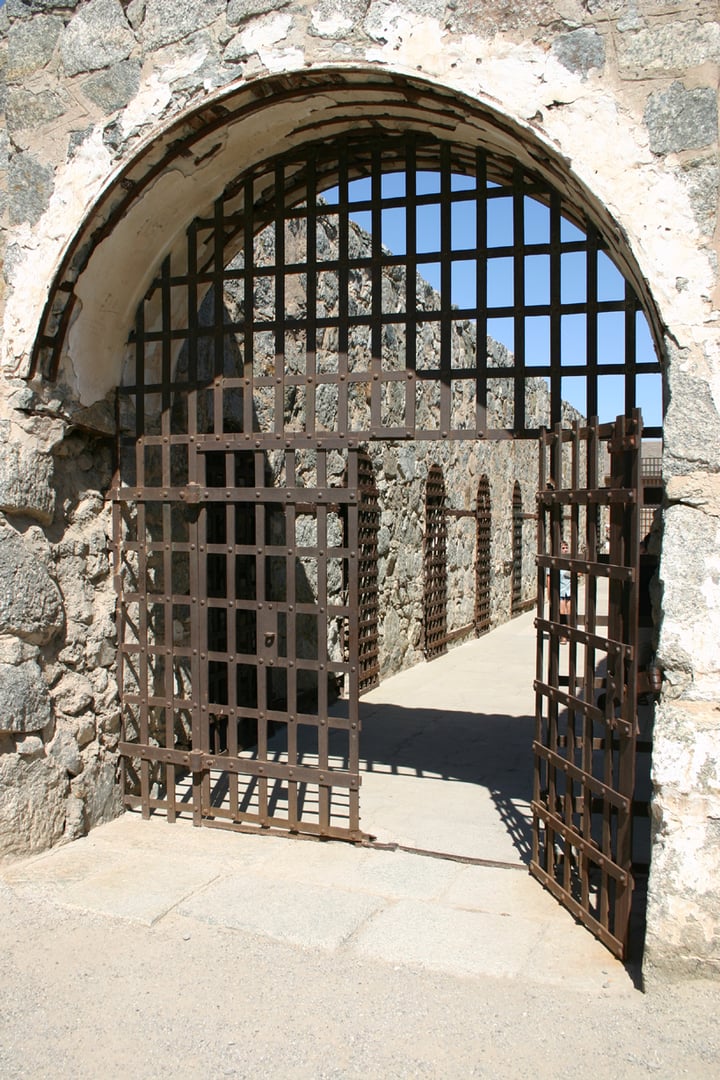
Yuma, AZ
Yuma Territorial Prison operated from 1876 to 1909 on a bluff overlooking the Colorado River in Yuma, Arizona. It held 3,069 prisoners during its 33-year operation, including 29 women. The facility became a state historic park and has been voted by USA Today readers as the Best Haunted Destination in the nation.
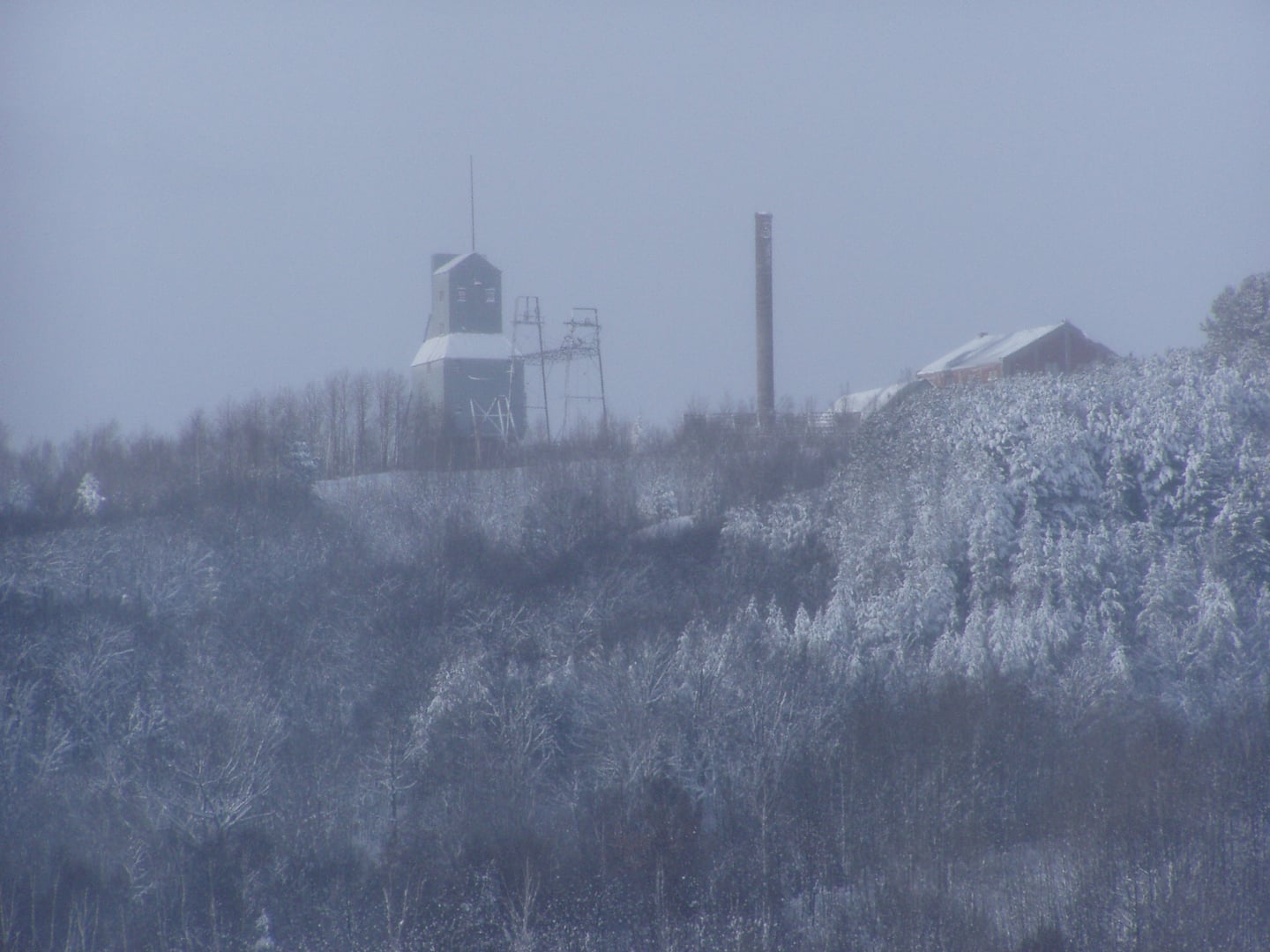
Hancock, MI
The Quincy Mining Company began extracting copper from the Keweenaw Peninsula in 1846 and operated continuously until 1945, producing nearly a billion pounds of copper. During that period, 253 workers died in documented underground accidents. At its deepest, the mine reached 9,000 feet — the deepest copper mine in the world at the time — and its No. 2 shaft hoist house is a National Historic Landmark.
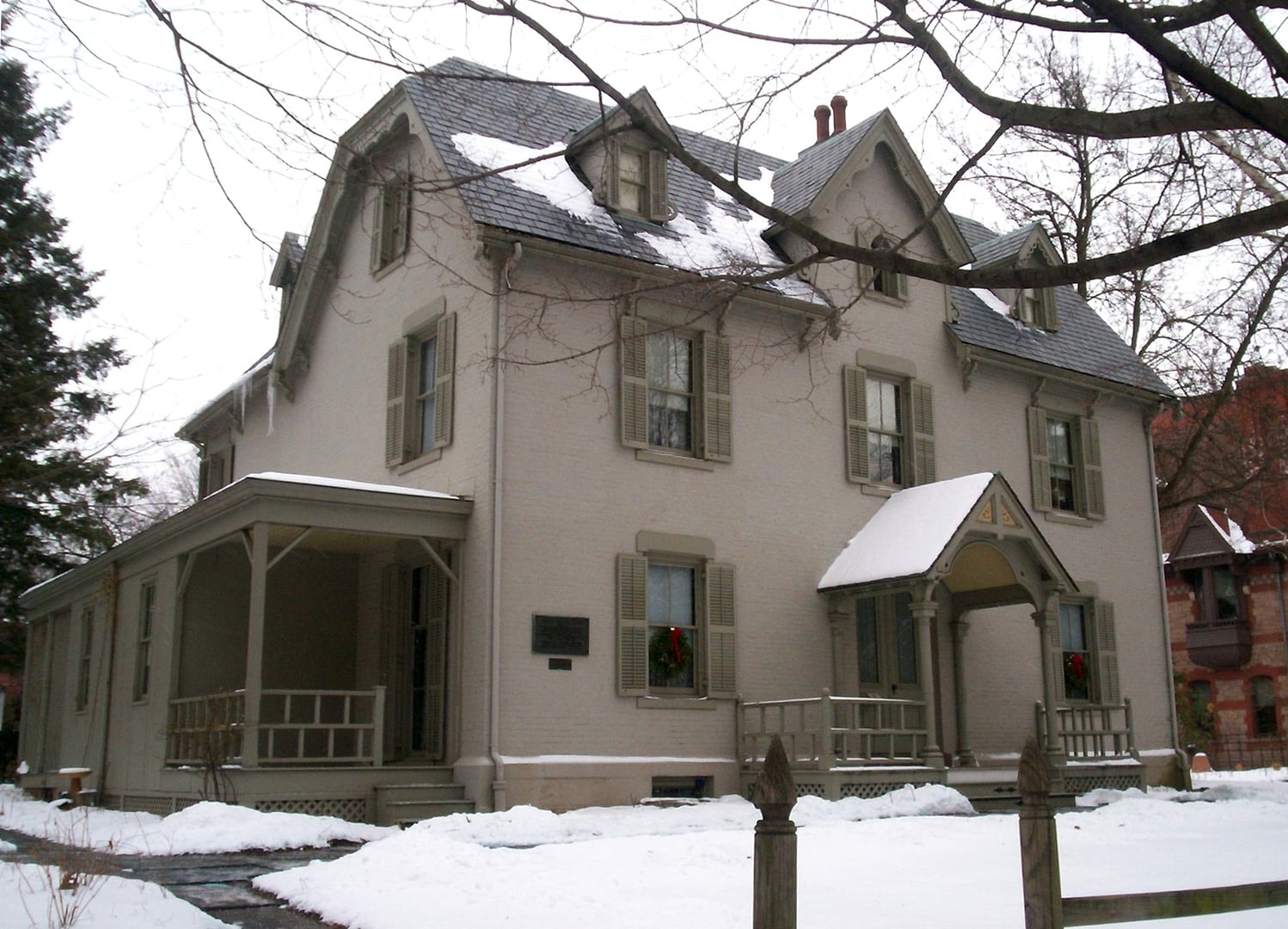
Hartford, CT
Built in 1871, the Gothic Revival cottage at 77 Forest Street became the home of abolitionist author Harriet Beecher Stowe and her husband Calvin in 1873 and remained her residence until her death in 1896. Stowe — author of 'Uncle Tom's Cabin' (1852) — lived in the Nook Farm neighborhood alongside Mark Twain and other Hartford writers. The home opened to the public as a museum in 1968 and operates today as the Harriet Beecher Stowe Center for Literary Activism.