Self-Guided Visit
Old Stone House Self-Guided Visit
Visit the store and kitchen exhibits inside the house; upper floors are closed to the public. Exterior grounds are open from sunrise to sunset.
- Duration:
- 30 min
HauntBound archive · catalog record
Reported phenomena, as catalogued
+ 1 further entry on record
Pre-Revolutionary 1765 stone house in Georgetown — the oldest building on its original foundation in DC — said to host more than a dozen apparitions, including a third-floor entity called 'George.'
3051 M Street NW, Washington, DC 20007
Research updated October 2026
Age
All Ages
Cost
Free
Free admission as part of Rock Creek Park; donations welcomed.
Access
Limited Access
Front doorway: a 3.5-inch lip. Inside, a short, steep ramp without railings leads down into the park store; the hallway to the kitchen exhibits is 30 inches wide.
Equipment
Photos OK
Est. 1765 · Oldest unaltered building in Washington, D.C. on its original foundation · Rare survival of pre-Revolutionary domestic architecture in DC · National Park Service unit of Rock Creek Park since 1953 · Listed on the National Register of Historic Places
The Old Stone House on M Street NW is widely considered the oldest building in Washington, D.C., still on its original foundation. Construction began in 1765 by Christopher Layman, a Pennsylvania cabinetmaker who built the small two-story stone house as both a residence and workshop for himself and his wife Rachel. Layman died only a few years after construction, and the property was sold to Cassandra Chew, a widow who expanded the building with a third story and rear additions.
Throughout the late 18th and 19th centuries, the house passed through a succession of owners and was used at various times as a private residence, a clockmaker's shop, a tavern, a painter's studio, and a used-car business. It survived demolition pressure in part because of a persistent folk belief that George Washington had stayed there with city planner Pierre L'Enfant during his surveying work. Subsequent research showed Washington had actually stayed at Suter's Tavern, a different Georgetown establishment.
In 1953 the federal government acquired the building, and the National Park Service restored it as part of Rock Creek Park. After extensive structural and interpretive work, the Old Stone House opened to the public in 1960. Today it operates as a free NPS site, with only the store and kitchen exhibits currently open and the upper floors closed to the public, and a rear English-style garden that serves as a quiet contrast to busy M Street.
The building has appeared on the National Register of Historic Places since 1973 and is considered one of the most architecturally significant survivals of pre-Federal Georgetown.
Sources
Hauntings reported at the Old Stone House are unusually plural for a small structure. According to DC Ghosts and Washingtonian reporting, accounts collected from past residents, NPS staff, and visitors describe more than a dozen distinct presences. The most commonly cited include a woman in a brown colonial dress seen near the kitchen fireplace, a heavy-set woman frequently encountered on the staircase, an 18th-century-dressed man on the second floor, the laughter of unseen children, and a young boy nicknamed 'Joey' who is described as gentle and curious.
The most notorious presence is a third-floor entity referred to only as 'George' — not George Washington, despite the long-running myth. Multiple sources (DC Ghosts; WTOP; Washingtonian; Haunted in America) describe him as a malevolent male figure associated with cold spots, a heavy choking sensation, and reports of being pushed or shoved, predominantly by women visitors. NPS staff have historically declined to comment officially on the paranormal claims, but the third-floor room has been variously closed and reopened to visitors over the decades.
Georgetown ghost-tour operators frame the Old Stone House as their flagship stop and consistently rank it as the city's oldest and most active haunted location. The plural, layered character of the lore — colonial residents, children, and a single threatening male entity — is unusual enough that it features regularly in regional folklore writing.
Notable Entities
Visit the store and kitchen exhibits inside the house; upper floors are closed to the public. Exterior grounds are open from sunrise to sunset.
Some links on this page may earn HauntBound a small commission when you book, at no extra cost to you. Our editorial picks are independent. Full disclosure
Every HauntBound history is researched from documented sources. We clearly separate verified historical fact from paranormal folklore.
Free Guide
Verified stops across all fifty states, rated for families. Free.
One email to confirm, then the guide link. Unsubscribe anytime.
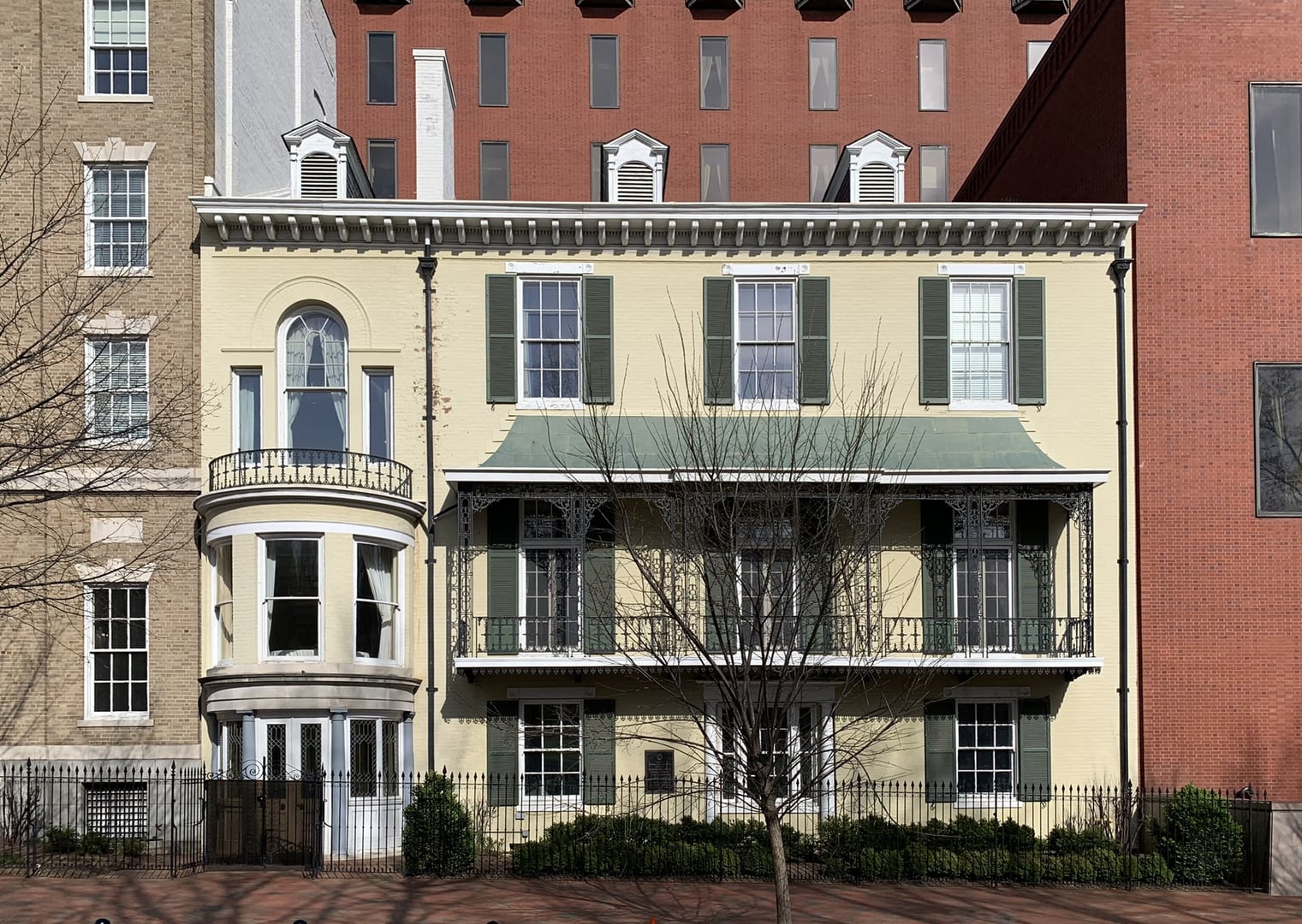
Washington, DC
Built in 1828 on the east side of Lafayette Square, the Benjamin Ogle Tayloe House is best known as the place where Philip Barton Key II was carried to die on February 27, 1859, after Congressman Daniel Sickles shot him in the square. The house later served as a residence and club building and is now part of the federal courts complex on Madison Place.
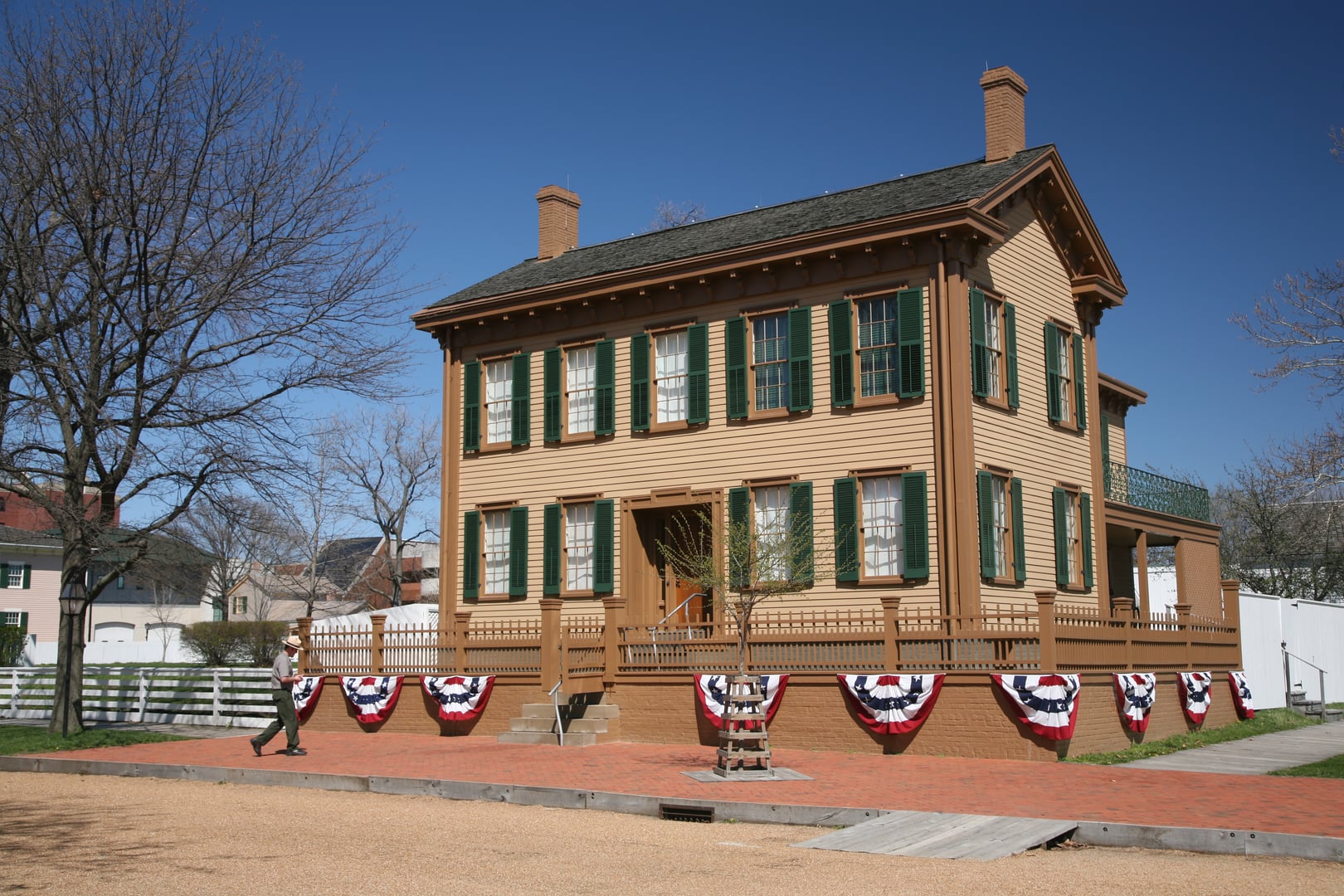
Springfield, IL
The Lincoln Home at 413 South Eighth Street is the only home Abraham Lincoln ever owned. He purchased it in 1844 for $1,500 from the Reverend Charles Dresser, who had married Lincoln and Mary Todd in 1842. The Lincolns lived here until departing for Washington in February 1861, never to return. Mary Todd Lincoln returned to the house only once after the assassination.
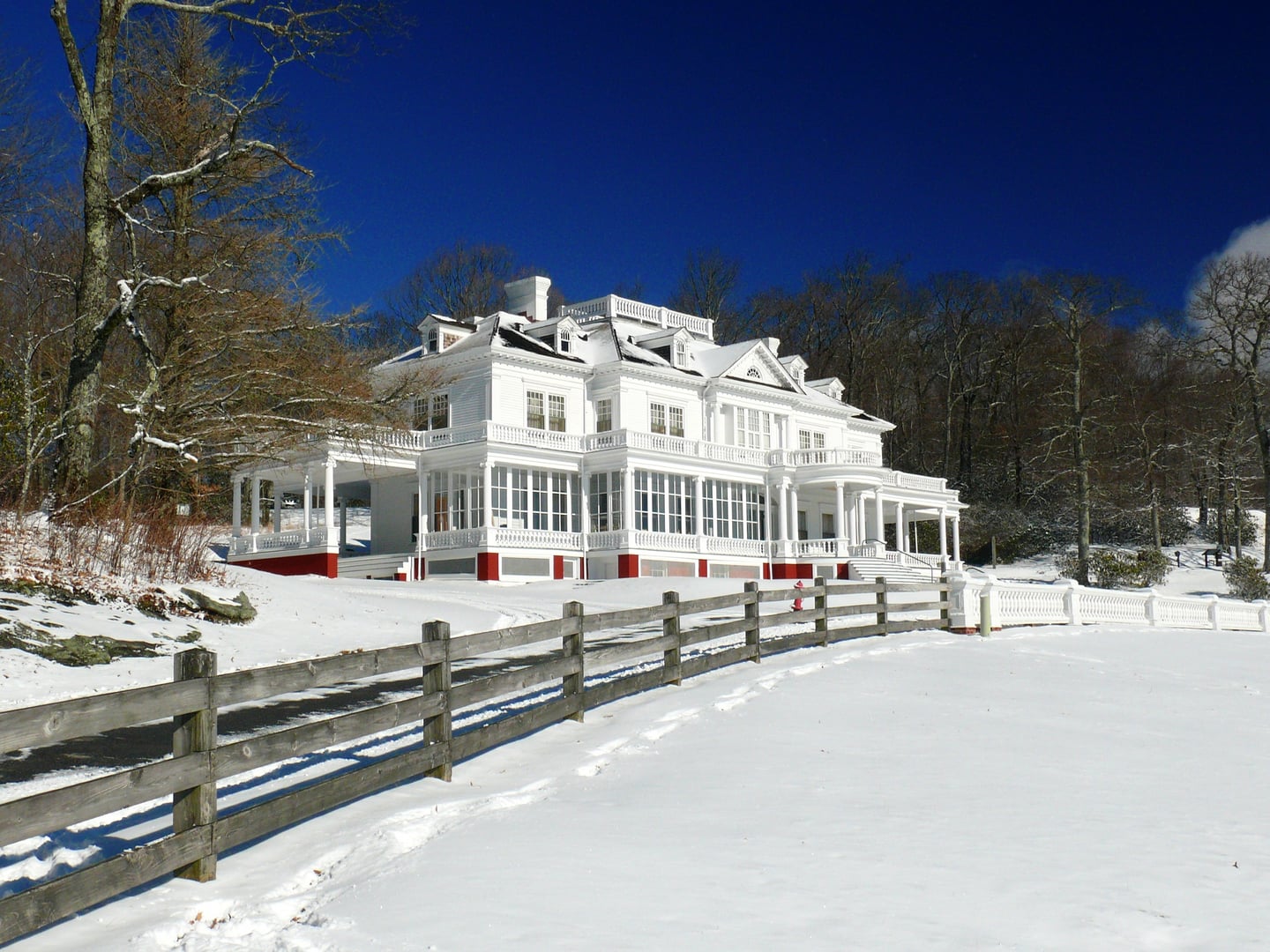
Blowing Rock, NC
Textile magnate Moses Cone built Flat Top Manor in 1901 as a country retreat on 3,500 acres in the North Carolina high country; his wife Bertha survived him and managed the estate until her death, bequeathing it to the federal government with instructions it remain closed — instructions that were not followed.