Guided Tour Booking Required
Decatur House Guided Tour
Docent-led tour of the 1818 Latrobe-designed home and its slave quarters interpreting Stephen Decatur, Henry Clay, and the lives of the people enslaved on Lafayette Square.
- Duration:
- 1 hr
HauntBound archive · catalog record
Reported phenomena, as catalogued
Federal-style 1818 Lafayette Square residence designed by Benjamin Henry Latrobe, where naval hero Stephen Decatur died after a duel and now reportedly appears at the second-floor window facing H Street.
748 Jackson Place NW, Washington, DC 20006
Research updated May 2026
Age
All Ages
Cost
$
Guided tours offered by the White House Historical Association; check site for current pricing and availability.
Access
Wheelchair OK
Urban sidewalks; entrance has steps but accessible options available.
Equipment
Photos OK
Est. 1818 · One of three surviving residential buildings designed by Benjamin Henry Latrobe · Death site of Commodore Stephen Decatur Jr. · Site of Charlotte Dupuy's 1829 freedom suit against Henry Clay · Contributing structure of the Lafayette Square Historic District (NHL)
Decatur House sits at the northwest corner of Lafayette Square, one block north of the White House. The house was designed by Benjamin Henry Latrobe, the architect best known for his work on the U.S. Capitol, and completed in 1818 for naval officer Stephen Decatur Jr. and his wife Susan Wheeler Decatur. Decatur, already a celebrated hero of the Barbary Wars and the War of 1812, paid for the house with prize money from his naval career.
The Decaturs lived there for only fourteen months. A long-standing dispute with Commodore James Barron, whom Decatur had testified against in a court-martial following the Chesapeake-Leopard affair, culminated in a duel at Bladensburg, Maryland, on the morning of March 22, 1820. Both men fired at eight paces; Decatur was struck in the abdomen and carried back to the Lafayette Square house, where he died later that night.
After Decatur's death the house was rented to a series of prominent political figures, including Secretaries of State Henry Clay, Martin Van Buren, and Edward Livingston. Clay brought his household staff with him during his 1827-1829 tenure, including an enslaved woman named Charlotte Dupuy. In 1829, Dupuy filed a freedom suit against Clay in the U.S. Circuit Court for the District of Columbia. Although the court ruled against her, she eventually obtained her freedom in 1840.
In 1872 the house was purchased by General Edward Fitzgerald Beale, and the Beale family added the H Street wing and Victorian-era interior alterations that visitors see today. Beale's descendants donated the property to the National Trust for Historic Preservation in 1956. The site is now operated by the White House Historical Association as a museum interpreting both the Decatur and Beale eras and the lives of the people enslaved on the property.
Sources
Local tradition holds that, beginning shortly after Decatur's 1820 death, witnesses on H Street reported seeing the Commodore's pained face at a second-floor window of the house. According to DC ghost-tour and folklore sources, the appearances were so frequent that the window was eventually walled in or bricked over to discourage onlookers. A separate strand of the lore describes a male figure leaving the rear of the house carrying dueling pistols, retracing the route Decatur took to Bladensburg on the morning of his fatal encounter (DC Ghosts).
Susan Decatur, who was financially ruined by her husband's death and eventually forced to leave Washington, is sometimes cited as a second presence; ghost-tour accounts describe a sorrowful atmosphere in the rooms she occupied and the faint sound of weeping (US Ghost Adventures; What-When-How haunted places).
A distinct legend attaches to the brick pavement just outside the house. Charlotte Dupuy, the woman enslaved by Henry Clay who in 1829 sued for her freedom while living in the Decatur House quarters, is reported by some sources to be felt or seen on the sidewalk, often described as a quiet presence awaiting word of her case (DC Ghosts). Researchers including the White House Historical Association have emphasized that Dupuy's documented legal action is the more significant story; the paranormal framing should not overshadow the historical record of her self-emancipation effort.
Notable Entities
Docent-led tour of the 1818 Latrobe-designed home and its slave quarters interpreting Stephen Decatur, Henry Clay, and the lives of the people enslaved on Lafayette Square.
Some links on this page may earn HauntBound a small commission when you book, at no extra cost to you. Our editorial picks are independent. Full disclosure
This Washington tour includes Decatur House on its route.
Every HauntBound history is researched from documented sources. We clearly separate verified historical fact from paranormal folklore.
Free Guide
Verified stops across all fifty states, rated for families. Free.
One email to confirm, then the guide link. Unsubscribe anytime.
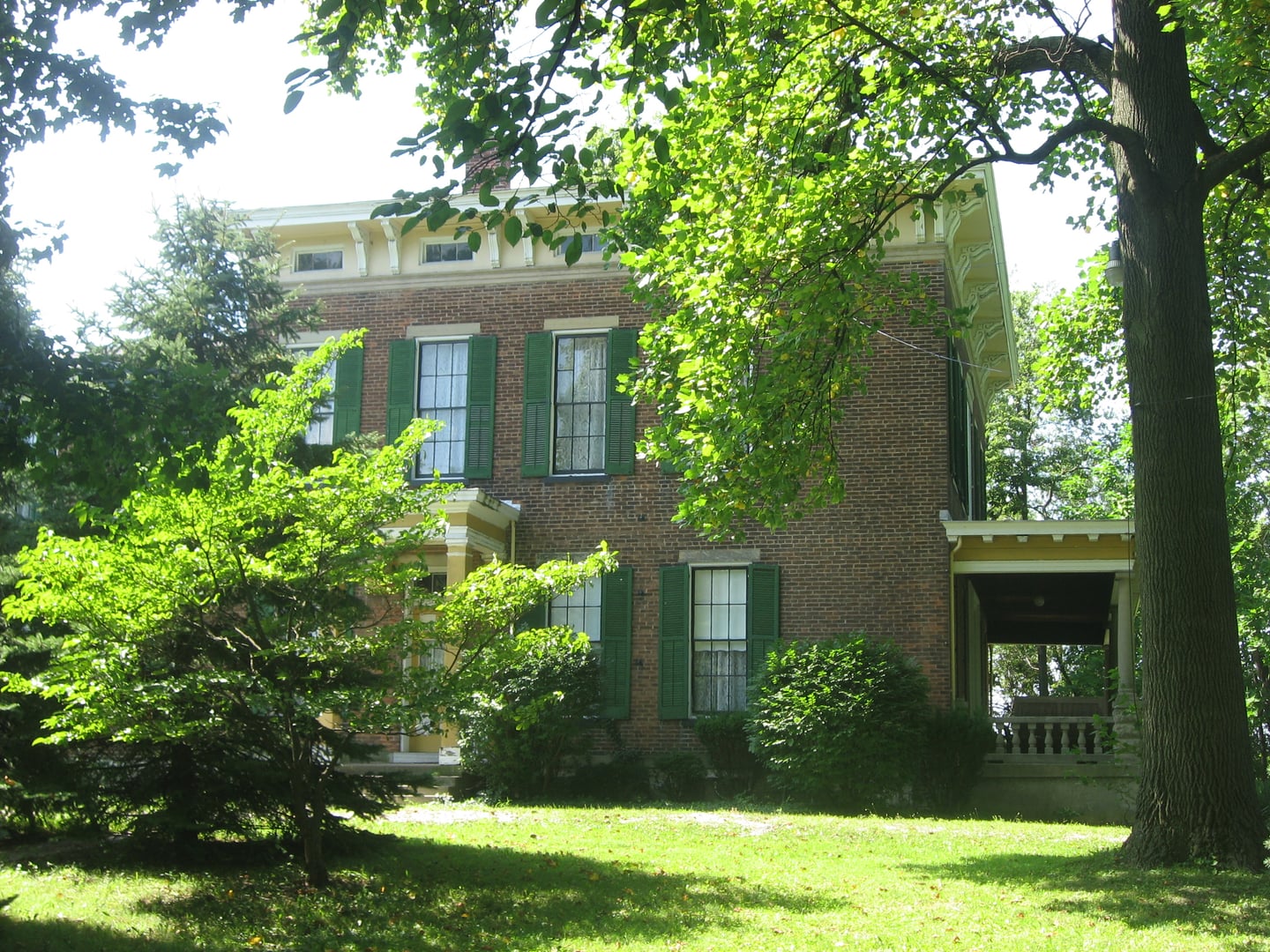
Indianapolis, IN
Hannah House is an 1858 Italianate mansion at 3801 Madison Avenue on the south side of Indianapolis, built by Alexander Hannah, an Indiana businessman who returned wealthy from the California Gold Rush. The property is listed on the National Register of Historic Places.
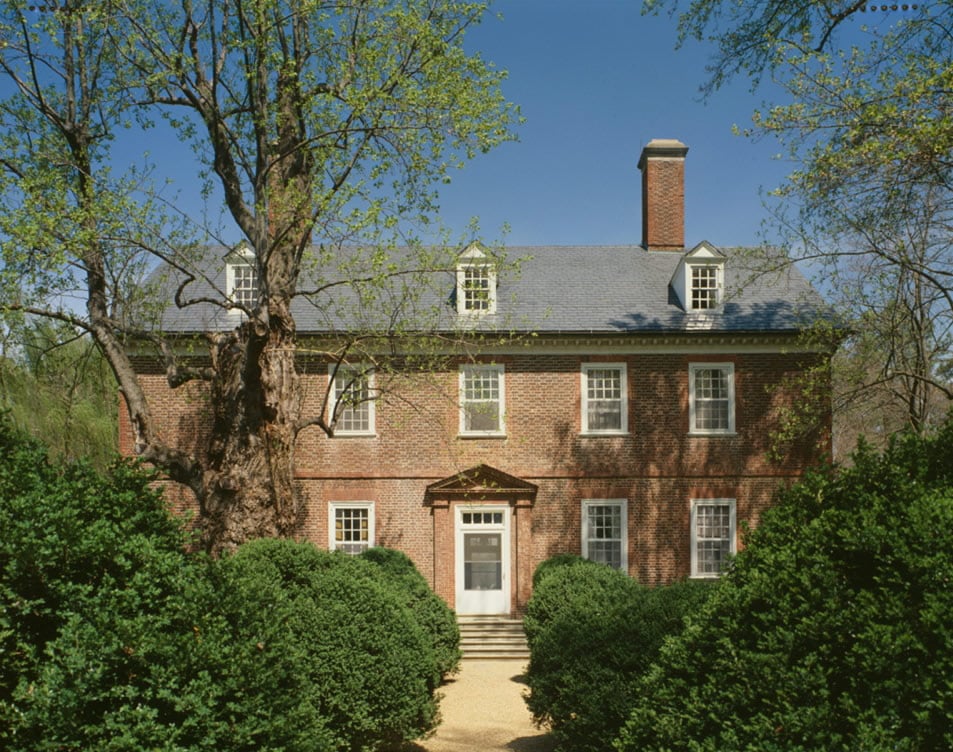
Charles City, VA
Benjamin Harrison IV built the current mansion at Berkeley Plantation in 1726, making it one of the oldest three-story brick houses in Virginia. The plantation became the birthplace of President William Henry Harrison in 1773 and the ancestral seat of a family that produced a signer of the Declaration of Independence and two U.S. Presidents. During the Civil War, General McClellan used the mansion as his headquarters and the cellar held Confederate prisoners.
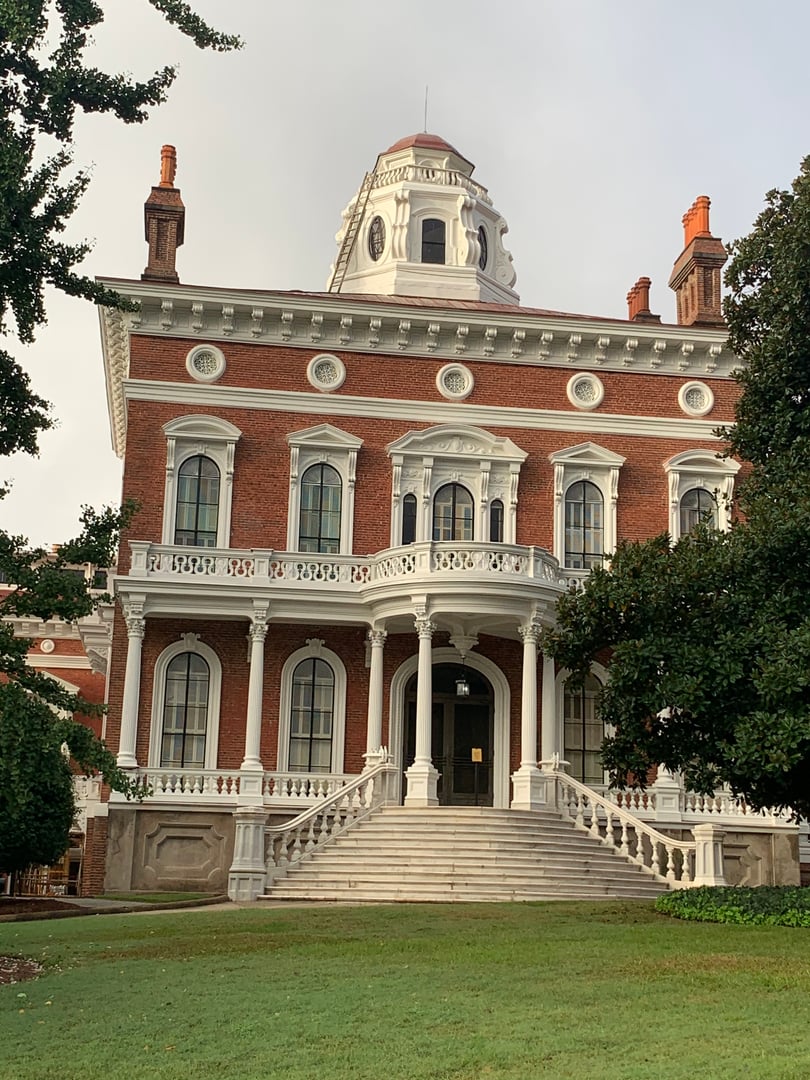
Macon, GA
Built between 1855 and 1859 for businessman William Butler Johnston at a cost of approximately $100,000, the Italian Renaissance Revival mansion at 934 Georgia Avenue has been called the 'Palace of the South' and is a National Historic Landmark. The house remained in Johnston hands through the Civil War, spared when Sherman's march to the sea bypassed Macon; it passed to the Johnstons' daughter Mary Ellen and her husband, Judge William Felton, in 1896. The Hay family acquired the house in 1926 and donated it to The Georgia Trust for Historic Preservation in 1977.