Seventh Day Baptist settlement history · Rhode Island Sabbatarian migration · 18th-century Connecticut burial ground
Roughly twenty Seventh Day Baptist families, descendants of Roger Williams's Rhode Island colony, settled what was then West Britain, Connecticut, in 1780. Separately, in October 1796, church member Jared Covey deeded the congregation about half an acre "for the purpose of a public burying ground." The Seventh Day Baptists observed Saturday, not Sunday, as their sabbath -- an unusual enough practice in Congregationalist Connecticut that it set the small community apart from its neighbors.
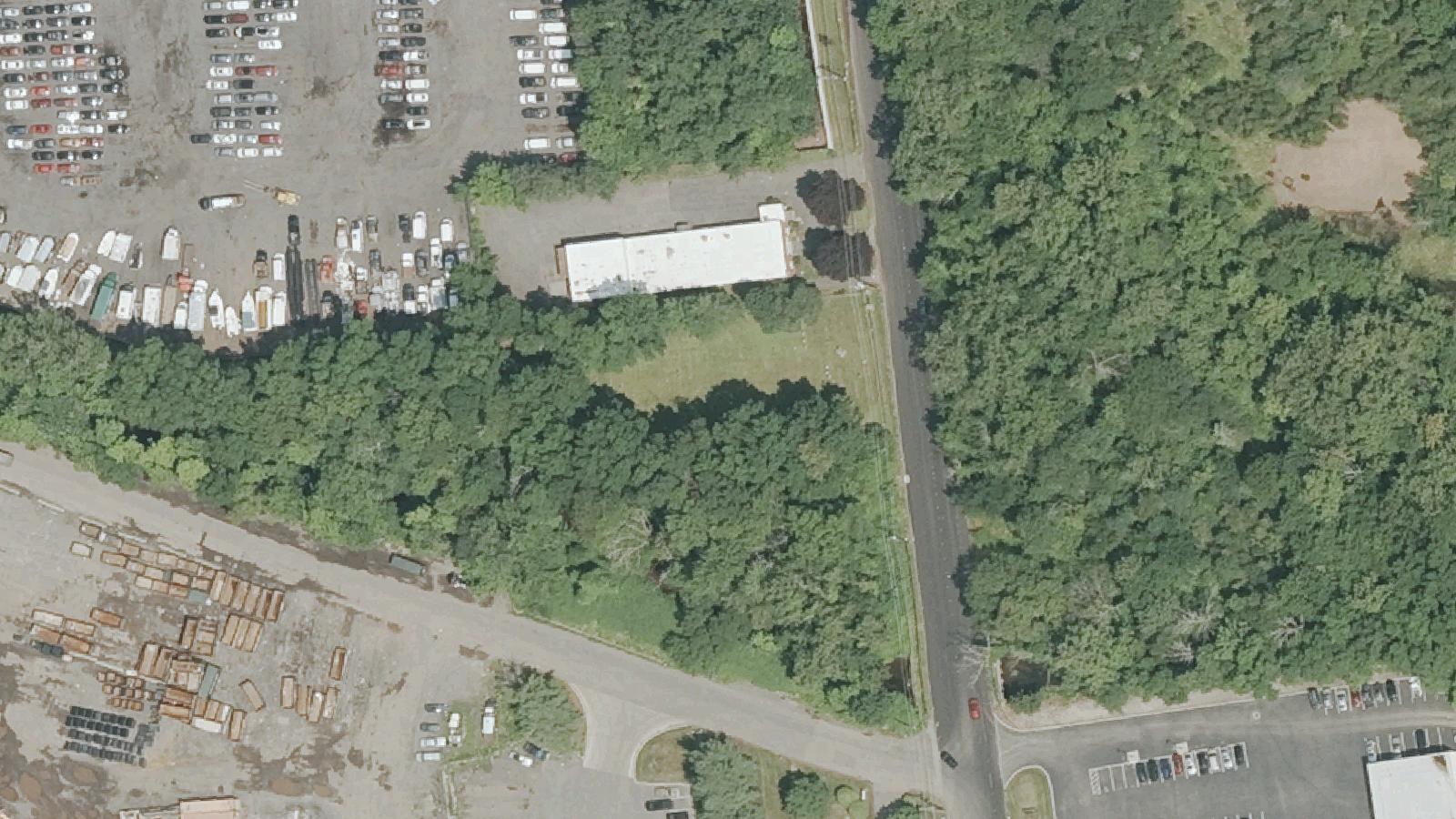
The congregation didn't last. By 1820 it had disbanded, and its members relocated to Brookfield, New York, as part of a broader Seventh Day Baptist migration. The cemetery on Upson Road was left behind, off any road that sees much traffic, in what's now the town of Burlington.
The site is privately owned today, managed by the New Britain Public Works Department, and it is not a public park. No-trespassing signs have been reported at the site, so do not assume daylight visits for historical research are permitted; verify current entry permission with the property authority, but Burlington police and residents patrol the grounds at night against vandalism -- a real and recurring problem. The cemetery's most prominent headstone, Elisabeth Palmiter's, was itself stolen by vandals around July 20-21, 2010, and was never recovered.
Sources
- https://en.wikipedia.org/wiki/Seventh_Day_Baptist_Cemetery
- https://www.damnedct.com/seventh-day-baptist-cemetery-burlington/
- https://cemeteryinsightsandbeyond.wordpress.com/2022/01/13/the-green-lady-of-burlington-ct/
- https://www.findagrave.com/cemetery/2171048/seventh-day-baptist-cemetery
- https://ournewenglandlegends.com/podcast-158-green-lady-cemetery/
Apparition of a woman in a green dressA low green mist over the headstonesReports of a lantern-carrying figureEVP recordingsOrbs in photographs
Local legend holds that on a stormy night in 1800, Elisabeth Palmiter's husband, Benjamin, failed to return home from town on schedule. Worried, she went out into the weather to find him and, according to accounts collected by Damned Connecticut and other local sources, lost her footing and drowned in a nearby swamp. She was buried in the cemetery soon after; she was about 30. (Genealogical researchers note a second Elisabeth Palmiter is buried in the same cemetery, wife of Paul Palmiter, who died decades later in 1838 -- a common source of confusion in retellings.)
The "Green Lady" name attached to the site by the 1960s, when reports began describing a figure in a green dress, sometimes said to appear first as a low green mist among the stones before it fades. Some tellings add a second figure -- Benjamin, searching the grounds with a lantern for the wife he lost. A paranormal investigation covered in the 1995 book Legendary Connecticut logged the standard inventory of unverified evidence: EVP recordings, orbs in photographs, and disembodied voices.
None of this is independently confirmed, and it should be read as local legend layered onto a real 18th-century accidental death, not as established fact. What is documented is the cemetery itself, Elisabeth Palmiter's 1800 burial there, and a community that has spent decades trying to keep both the grave markers and the ghost stories from getting trampled by visitors.
Notable Entities
The Green Lady (associated with Elisabeth Palmiter)Benjamin Palmiter (in some tellings)
Media Appearances
- Legendary Connecticut (book, 1995)