Est. 1879 · First state psychiatric institution in Colorado (1879) · Peak population of nearly 6,000 patients in the 1960s · 155 unmarked patient graves unearthed during construction in 1992 · Human remains and asylum-era restraints on public display in campus museum
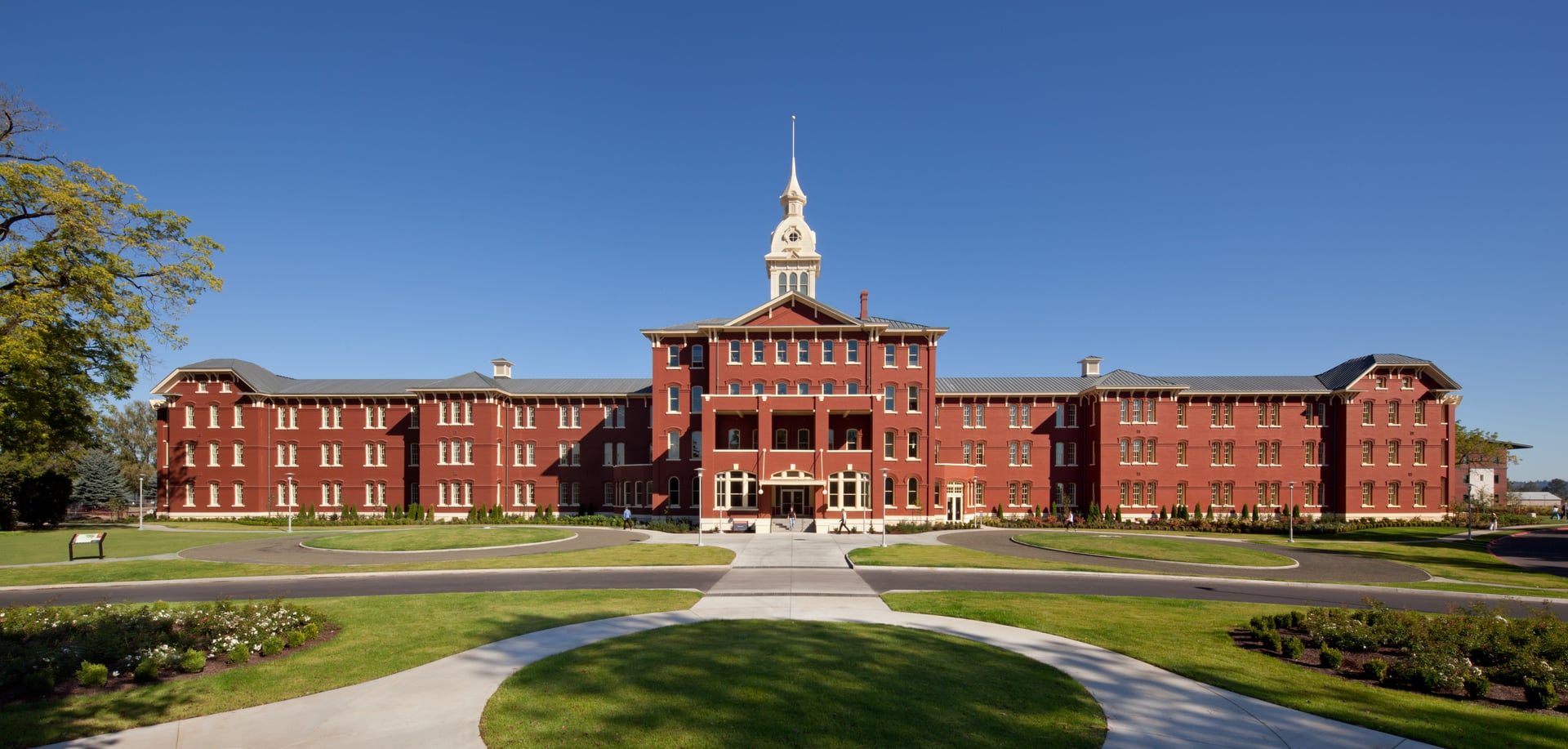
The Colorado State Insane Asylum was established by the Colorado territorial legislature and opened in Pueblo in 1879 as the first facility of its kind in the state. The campus was built on the outskirts of Pueblo on a site intended to be self-sufficient — patients worked the attached farm, maintained the grounds, and labored in institutional laundries and kitchens as part of the prevailing moral treatment philosophy of the era.
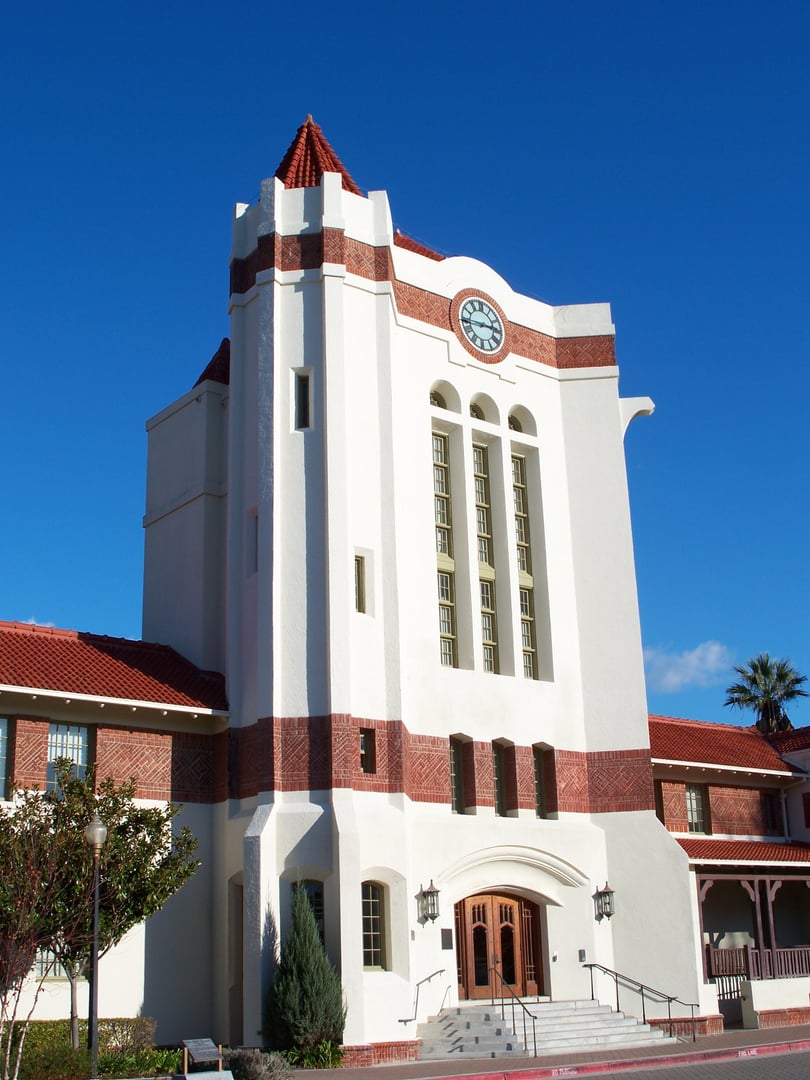
The facility grew steadily over the following decades. By the 1960s it had become one of the most overcrowded psychiatric hospitals in the United States, with a patient population approaching 6,000 in a facility built to accommodate far fewer. Mattresses lined hallways, and the institution's conditions prompted repeated state investigations. The facility was renamed the Colorado State Hospital, and then again as the Colorado Mental Health Institute at Pueblo, as deinstitutionalization policies took effect through the 1970s and 1980s.
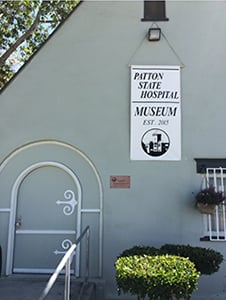
In 1992, construction on the campus grounds unearthed 155 unmarked patient graves. The remains dated to the period between 1879 and 1899, when the hospital had no formal cemetery and patients who died were buried in an unmarked field. The discovery drew significant press attention. Human skeletal remains and original restraints recovered from the site were preserved and became the foundation of the on-campus museum, which opened in the former Superintendent's Residence.
The museum, operated today as the Colorado State Hospital Museum, documents the facility's 140-year history through photographs, records, original equipment, and the recovered remains. It opened to regular public hours and appointment-based tours, focusing on the history of psychiatric care in Colorado rather than on paranormal claims.
Sources
- https://coloradostatehospitalmuseum.org/
- https://www.atlasobscura.com/places/the-colorado-state-insane-asylum-museum
- https://95rockfm.com/unmarked-graves-colorado-state-insane-asylum/
Unsettled atmosphere on campusReported presences in older campus buildings
The Colorado Mental Health Institute at Pueblo appears in regional dark-tourism and haunted-location guides, most often cited for the documentary weight of its museum collection rather than active paranormal reports. The combination of displayed human skeletal remains — actual patients who died at the facility between 1879 and 1899 — and original restraints, hydrotherapy tubs, and electroshock equipment creates an unusually direct confrontation with institutional history.
Atlas Obscura's entry on the museum notes the museum's dual function as both historical archive and physical monument to a period when patients died unnamed and were buried without markers on institutional grounds. The 1992 excavation that uncovered the 155 graves has itself become part of the site's narrative — a literal unearthing of suppressed institutional memory.
Paranormal claims for the campus are less specific than its documented history warrants. Regional ghost-site compilations mention the campus as one of Colorado's more significant dark-history locations, citing the scale of the institution's operation and the number of deaths recorded over more than a century. Specific apparition accounts are anecdotal and not attributed to named individuals in the sources reviewed for this entry.
Where this legend is told