Est. 1893 · California's first state psychiatric institution in Southern California (est. 1890, opened 1893) · 2,024+ patients buried on grounds 1893–1934 · Mass grave marker visible from E. Highland Avenue · California's first state psychiatric hospital museum opened on-site in 2015
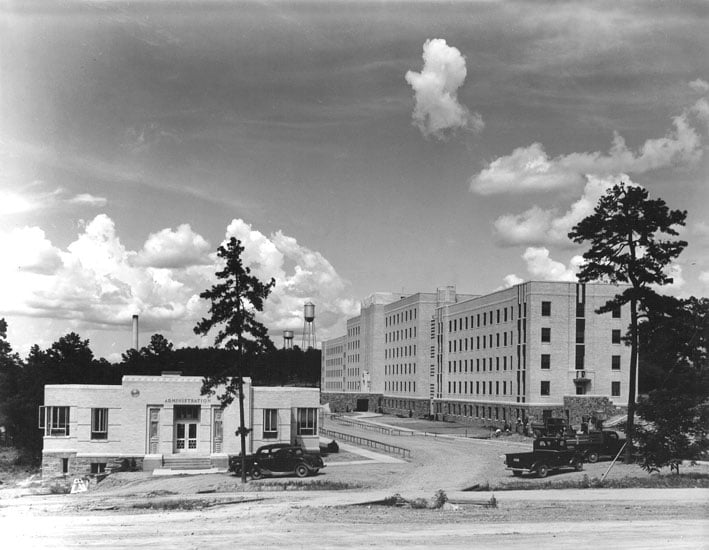
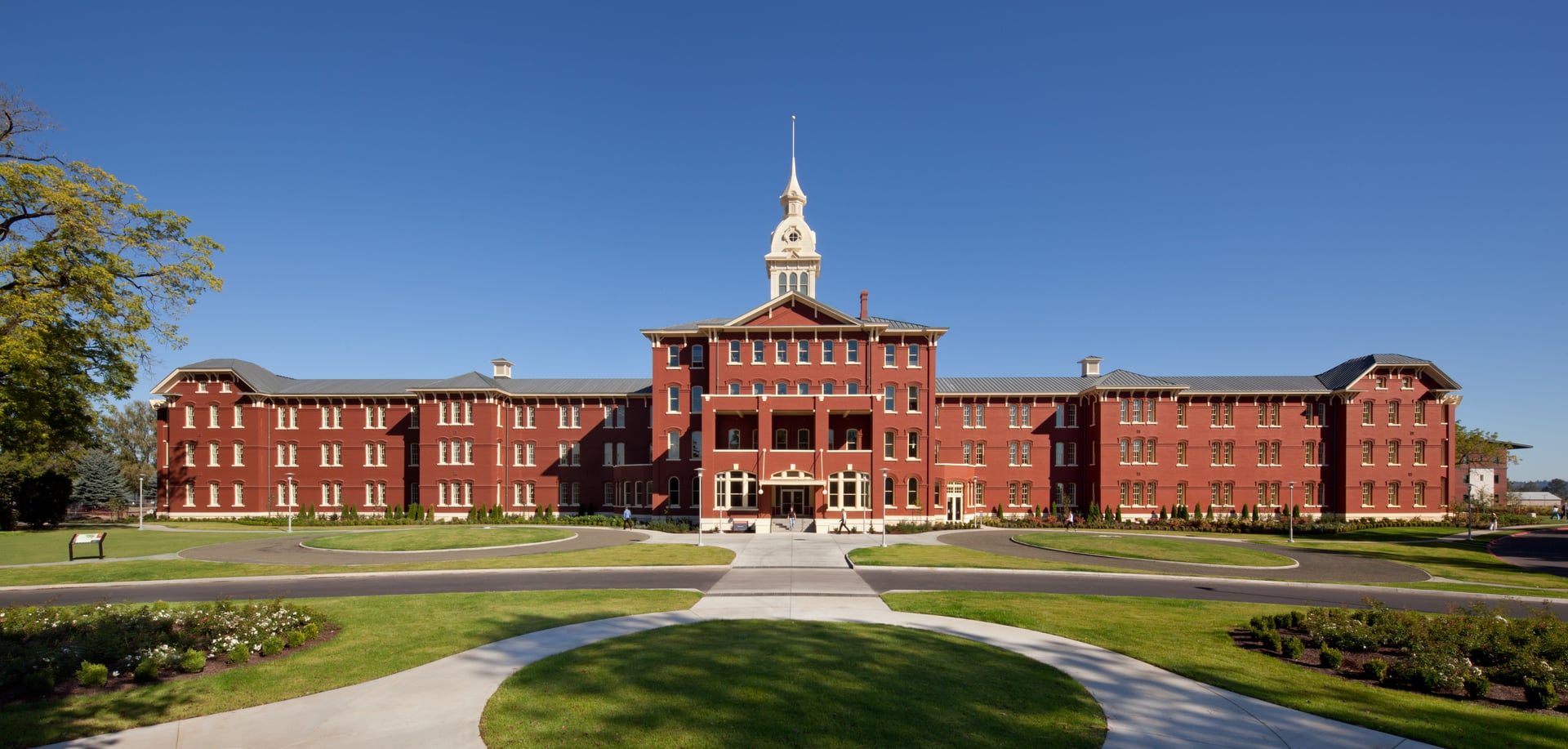
The Southern California Asylum for the Insane and Inebriates was established by the California legislature in 1890 and admitted its first patients on August 4, 1893. Located in the San Bernardino foothills in what is now Highland, the facility was California's first state psychiatric institution in Southern California and was intended to relieve pressure on the Northern California facilities.
From 1893 through 1934, patients who died at the facility were buried on the hospital grounds. More than 2,024 patients are interred in this area over that 41-year period. A mass grave marker placed near the site is visible from E. Highland Avenue, approximately 50 yards from the road. The burials occurred during a period when psychiatric patients who died in institutional care were typically interred on facility grounds with minimal documentation, in keeping with the prevailing practice of the era.
The facility has operated under several names — renamed Patton State Hospital in 1927 — and has housed some of California's highest-profile forensic psychiatric patients over the decades. PBS SoCal's history documentary on the hospital's first 20 years examined the institutional conditions that characterized the asylum era, including overcrowding, the limited treatment options available to physicians, and the physical circumstances of patient deaths.
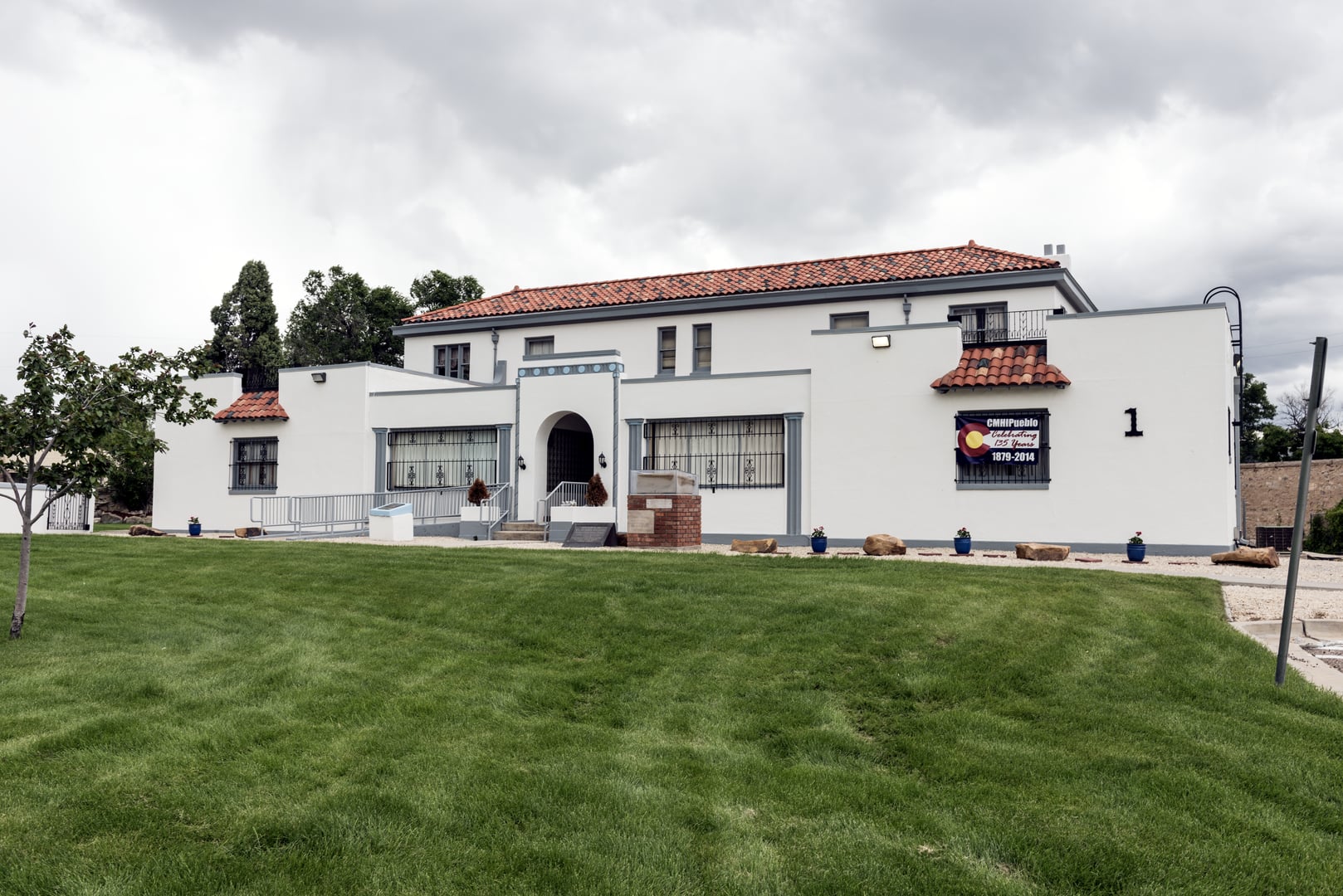
In 2015, California opened its first state psychiatric hospital museum on the Patton campus, housed in a renovated 1920s staff cottage. The collection includes lobotomy picks, hydrotherapy tubs, and electroshock equipment from the hospital's history, along with photographs and administrative records. Museum access is by email appointment through the hospital; the California Department of State Hospitals maintains the museum page.
Sources
- https://en.wikipedia.org/wiki/Patton_State_Hospital
- https://www.dsh.ca.gov/Patton/Museum.html
- https://www.pbssocal.org/history-society/the-insane-asylum-the-first-twenty-years-of-patton-state-hospital
Reports of presences in older hospital buildingsUnsettled atmosphere near burial ground
Patton State Hospital occupies an unusual position in California dark-tourism because it offers two distinct levels of access: the museum (by appointment) and the mass grave marker, which is visible from the public street without entering the campus. That visibility — the marker sitting approximately 50 yards from E. Highland Avenue — makes the site's history legible to drive-by visitors in a way that many comparable sites do not.
The hospital's forensic psychiatric history — it has housed some of California's highest-profile patients committed after criminal proceedings — has contributed to a darker popular reputation than purely civil-commitment facilities carry. This reputation circulates through regional dark-tourism accounts and is distinct from the documented 19th-century burial history.
Paranormal accounts for the campus focus on the older institutional buildings and the grounds near the burial area. These reports are anecdotal in the sources reviewed for this entry and are not attributed to specific named individuals. The museum itself functions as a sober historical exhibition rather than a paranormal venue.
The PBS SoCal documentary on the hospital's first 20 years provides the most substantive public account of the asylum-era conditions that underpin the site's historical weight.
Media Appearances
- The Insane Asylum: The First Twenty Years of Patton State Hospital (PBS SoCal documentary)
Where this legend is told