Est. 1882 · Contributing structure to the Gaslamp Quarter Historic District (National Register of Historic Places) · One of the first all-brick commercial buildings in downtown San Diego · First establishment closed during the 1912 Stingaree District raids · Acquired November 2024 by Ruth-Ann Thorn, first Native American Gaslamp Quarter property owner
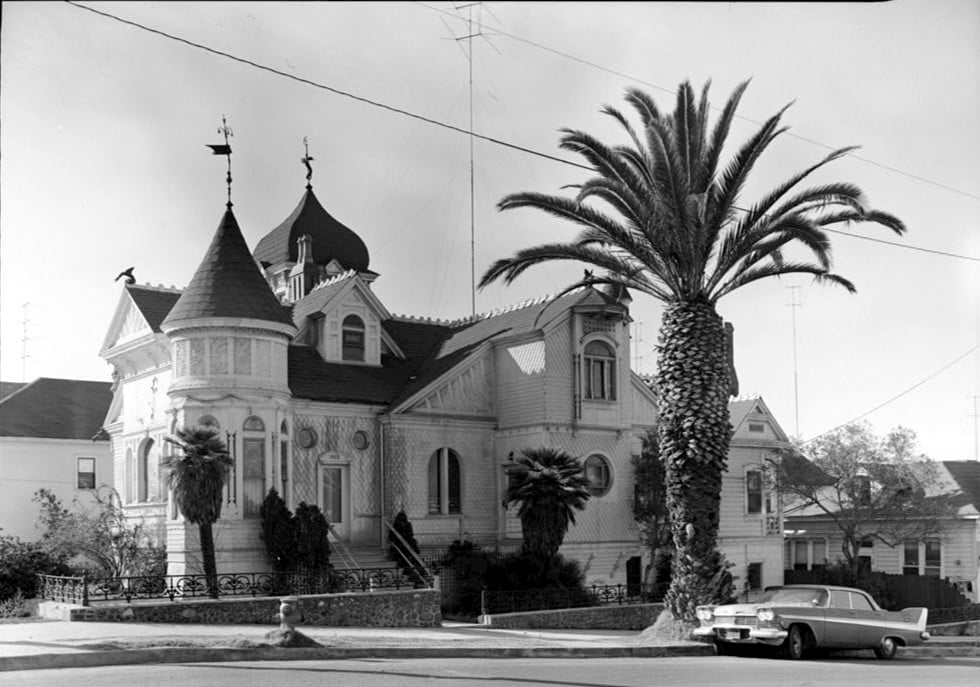
Construction of the Yuma Building began on April 4, 1882 on a Fifth Avenue lot owned by Captain Alfred Henry Wilcox, a maritime entrepreneur whose Colorado River steamboat operation supplied the Yuma, Arizona port — the source of the building's name. Local newspapers described the planned structure as a substantial brick edifice furnished with gas, water fixtures, and large drainage pipes, distinguishing it as one of the first all-brick commercial buildings in downtown San Diego.
Wilcox died in 1883 with the building still a single story. His widow, Maria Antonia Arguello de Wilcox, eventually settled the estate and commissioned a major expansion. Architects Armitage and Wilson designed a two-story addition completed in June 1888 that included sixteen office rooms with bay windows and a large skylight, producing the three-story Victorian Italianate form that survives today.
Throughout the late nineteenth and early twentieth centuries the upper floors of the Yuma Building, like many of its Fifth Avenue neighbors, were used at various times for offices, lodging, and — during the Stingaree era — a brothel. The Stingaree District was the name applied to the rough port-side blocks of downtown that by the 1900s had concentrated saloons, gambling rooms, and prostitution businesses. On November 10, 1912, San Diego authorities launched the Great Raid of 1912 to clear the district; the Yuma Building was among the first establishments closed.
Throughout the twentieth century the ground-floor commercial space cycled through tenants including a Japanese bazaar, medical offices, and dry-goods stores. The building was preserved through the Gaslamp Quarter Historic District designation and remains a contributing structure to the National Register district. In November 2024, Ruth-Ann Thorn of the Rincon Band of Luiseno Indians acquired the property, marking the first Native American ownership of property in the Gaslamp Quarter.
Sources
- https://en.wikipedia.org/wiki/Yuma_Building
- https://web.archive.org/web/20250124035552/https://gaslampfoundation.org/hats-off-to-the-yuma-building/
- https://web.archive.org/web/20250617033925/https://gaslampfoundation.org/virtual-tour/yuma-1888/
- https://www.hmdb.org/m.asp?m=279044
- https://theclio.com/entry/36464
Apparition of a sea captainFemale apparitions in period dressSensation of being watched on upper floors
According to the Gaslamp Quarter Historical Foundation's preservation page and the ghost-tour operator Ghosts and Gravestones, residents and tour groups on the building's upper floors have long reported the apparition of a sea captain — readily identified by tour narrators as Captain Alfred Henry Wilcox, the original 1882 owner whose steamboat trade gave the building its name. The captain is said to manifest as a quiet, watchful presence rather than an active or threatening one.
A second strand of Gaslamp lore connects the building's haunting to the Stingaree brothel era. According to multiple ghost-tour operators, tour participants and upper-floor occupants have reported female apparitions in period dress that tour narrators identify as sex workers from the building's brothel period. One tour account describes a 'frightening woman void of her sanity' encountered on the upper floors. No documented death of a specific named sex worker at this address has been corroborated in newspaper archives, and the female-apparition lore should be read as Gaslamp-era folklore framed around the documented 1912 Stingaree Raid.
The Yuma Building is a standard stop on Gaslamp Quarter ghost-tour itineraries. Lore is single-event-anchored (the 1912 Raid) but multi-source in its current oral telling; specific named-victim claims are not corroborated outside ghost-tour materials.
Notable Entities
Captain Alfred Henry Wilcox (original 1882 owner, died 1883)Unnamed Stingaree-era women (lore only)