Museum Visit
Old Town Visitor Center Tour
Visit the park's main visitor center inside the reconstructed Robinson-Rose House, including a scale model of Old Town as it appeared until 1872 and interpretive exhibits.
- Duration:
- 45 min
HauntBound archive · catalog record
Reported phenomena, as catalogued
+ 1 further entry on record
Reconstructed 1853 home of Judge James W. Robinson now serving as the Old Town San Diego State Historic Park visitor center — staff and visitors report unexplained footsteps, a self-operating elevator, lights switching, and female visitors having their hair pulled.
4002 Wallace Street, San Diego, CA 92110
Research updated May 2026
Age
All Ages
Cost
Free
Free admission to the visitor center as part of Old Town San Diego State Historic Park; donations welcomed.
Access
Wheelchair OK
Flat brick-and-dirt pathways through Old Town State Historic Park; visitor center is ADA-accessible with an elevator between floors.
Equipment
Photos OK
Est. 1853 · Original 1853 home and law office of Judge James W. Robinson · Served as the SD, Cuyamaca and Pacific Railroad headquarters and a 19th-century newspaper office · Reconstructed as the visitor center for Old Town San Diego State Historic Park · Contains a scale model of Old Town as it appeared until 1872
James W. Robinson arrived in San Diego from Texas in the spring of 1850 with his wife Sarah. A trained attorney familiar with both American and Mexican law, Robinson rapidly became a fixture of the new American-era civic establishment, serving variously as judge, school-board trustee, civic promoter, and active investor in early Old Town businesses.
In 1853 Robinson built a combined home and law office on the south side of the Old Town plaza. The structure was unusually styled: the first floor was adobe, the second floor wood-framed, and — in a documented quirk noted by California State Parks — the adobe floor was painted to look like wood siding while the wood floor was painted to look like adobe.
Robinson died in 1857. His widow Sarah rented rooms to boarders and businesses before selling the property to Louis Rose, the namesake of San Diego's Roseville neighborhood. Across the next sixty years the building cycled through uses as a newspaper office, the San Diego, Cuyamaca, and Pacific Railroad's headquarters, a county clerk's office, schoolrooms, residential apartments, and a jail cell, eventually falling into disrepair when Old Town's commercial center moved south to New Town in the 1860s.
The present Robinson-Rose House is a state-park reconstruction completed during the development of Old Town San Diego State Historic Park, opened in 1968. The reconstructed building now serves as the park's main visitor center and park headquarters, including a scale model of Old Town as it appeared until 1872, interpretive exhibits, a small store, and elevator access between floors.
Sources
According to San Diego Ghosts and Hauntedhouses.com, the Robinson-Rose House visitor center generates a relatively consistent set of staff and visitor reports despite being a 1960s-era state-park reconstruction rather than the original 1853 building. The most frequently described phenomena are electrical: lights that switch on or off on their own, and an elevator that reportedly starts, stops, or travels between floors with no rider inside. Park staff working late or opening for the day are the most-cited witnesses for the elevator behavior.
A second category of reports concerns sounds and sightings. Footsteps overhead at night and unexplained noises in the second-floor exhibit space have been described by staff. A man has been reported seen at the upstairs windows from outside in the park plaza. The most distinctive reported phenomenon is contact: female visitors have reported having their hair pulled or feeling tapped on the shoulder while standing alone near the staircase.
No named historical decedent is consistently associated with the lore — neither Judge Robinson nor Louis Rose is named in tour materials as the active ghost. The Robinson-Rose haunting is framed by tour operators as a 'site memory' anchored to the building's century-and-a-half of varied tenancy and to the reconstructed structure's position on a footprint of continuous nineteenth-century activity. Lore is multi-source within the regional paranormal ecosystem (San Diego Ghosts, Hauntedhouses.com, Weird California, GoThere, San Diego Haunted) but is not anchored to a documented death or named decedent.
Visit the park's main visitor center inside the reconstructed Robinson-Rose House, including a scale model of Old Town as it appeared until 1872 and interpretive exhibits.
San Diego Ghosts and other Old Town ghost-tour operators include the Robinson-Rose House on their evening walking itineraries.
Some links on this page may earn HauntBound a small commission when you book, at no extra cost to you. Our editorial picks are independent. Full disclosure
Every HauntBound history is researched from documented sources. We clearly separate verified historical fact from paranormal folklore.
Free Guide
10 verified stops, rated for families, mapped in order. Free.
One email to confirm, then the guide link. Unsubscribe anytime.
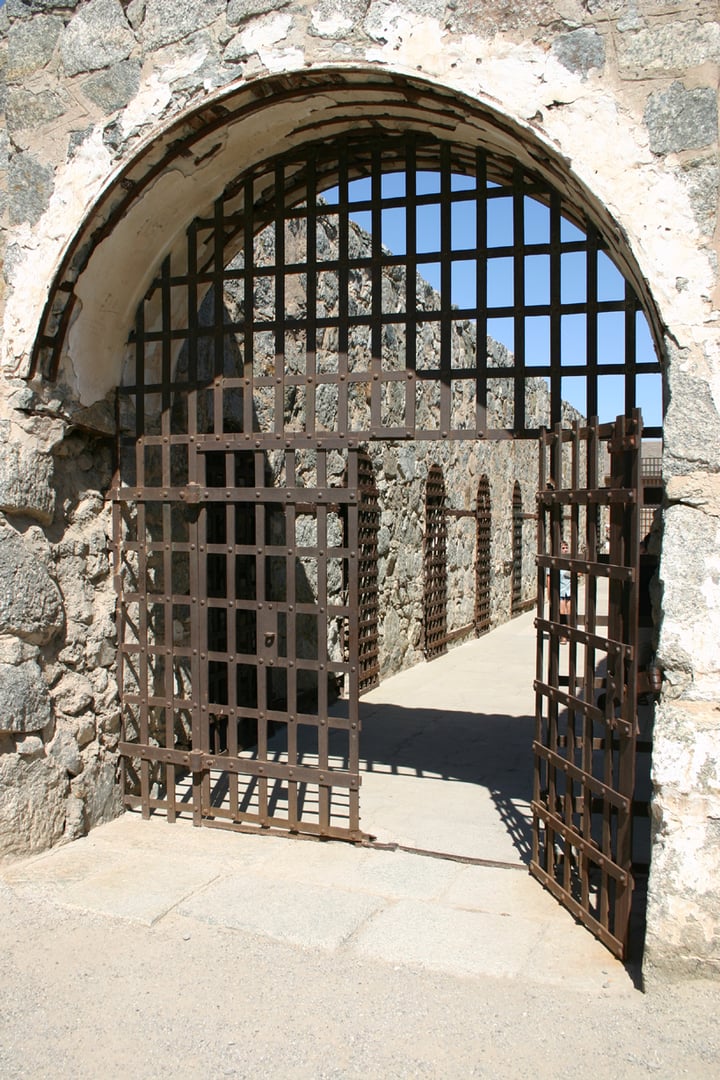
Yuma, AZ
Yuma Territorial Prison operated from 1876 to 1909 on a bluff overlooking the Colorado River in Yuma, Arizona. It held 3,069 prisoners during its 33-year operation, including 29 women. The facility became a state historic park and has been voted by USA Today readers as the Best Haunted Destination in the nation.
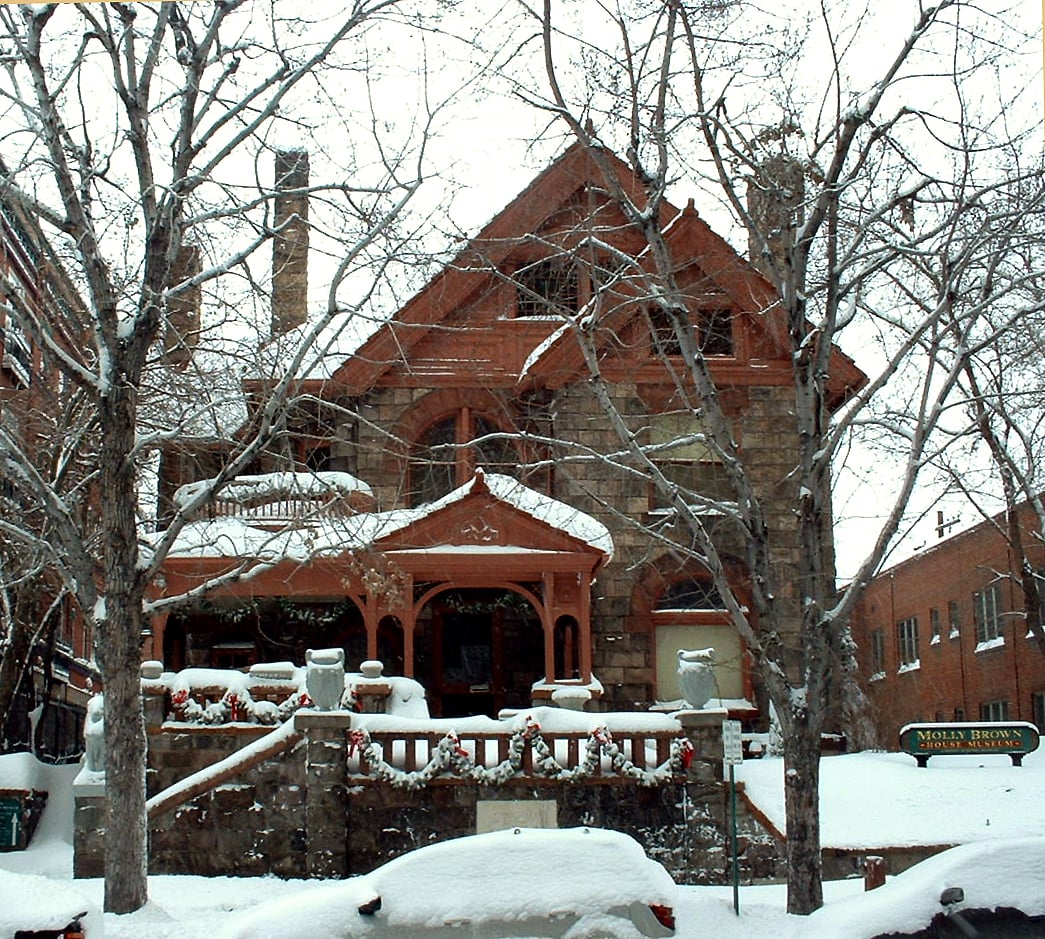
Denver, CO
The Molly Brown House in Denver was the home of philanthropist and Titanic survivor Margaret Brown from 1894 until her death in 1932. Designed by architect William A. Lang in 1889 in a mixed Queen Anne and Richardsonian Romanesque style, the house has operated as a museum under Historic Denver Inc. since 1971 after a public campaign saved it from demolition.
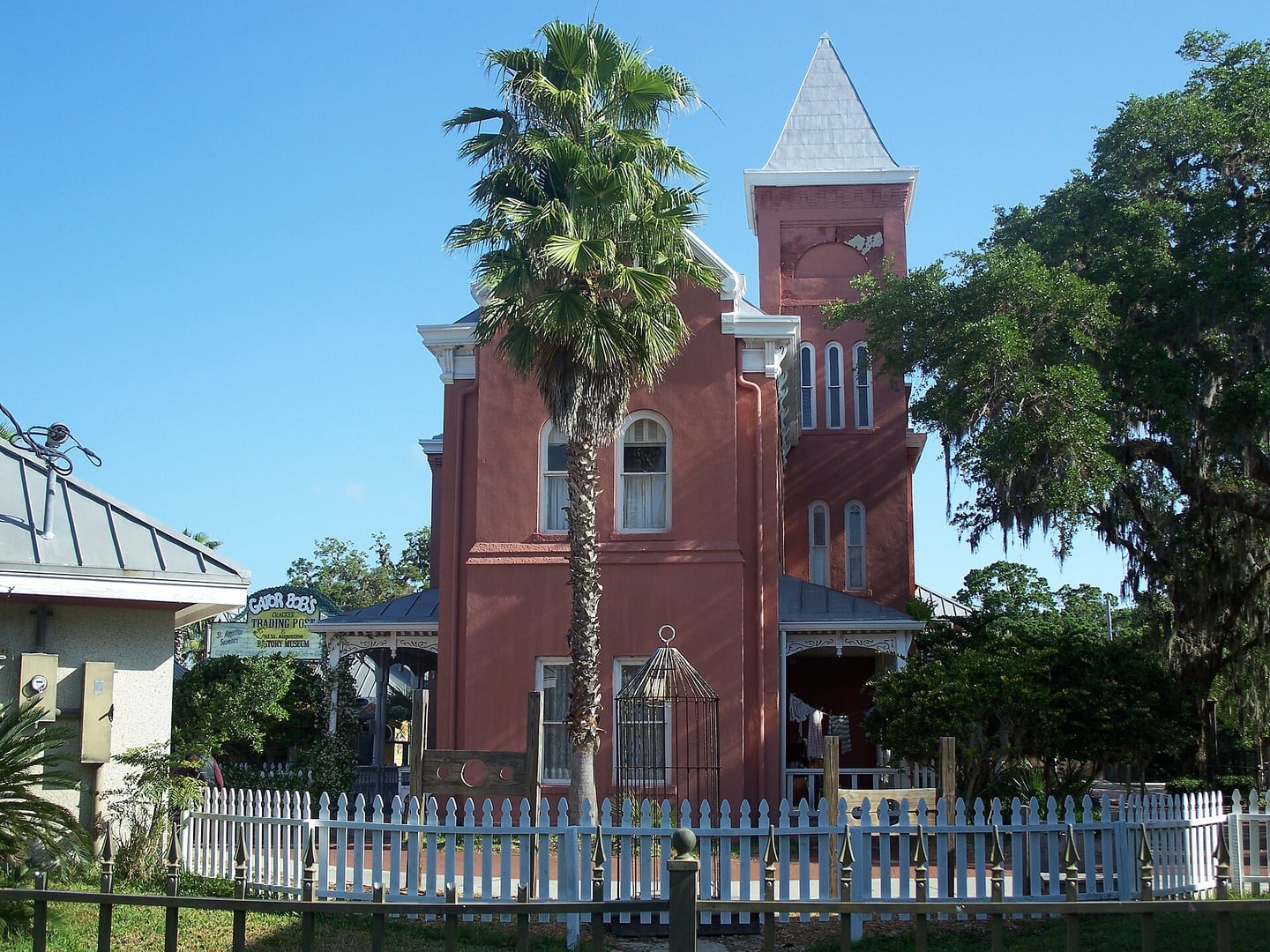
St. Augustine, FL
The Old St. Johns County Jail at 167 San Marco Avenue in St. Augustine, Florida was commissioned by railroad magnate Henry Flagler and constructed in 1891. Designed by the same architectural firm later used for Alcatraz, the facility housed prisoners under conditions so severe — one bucket per cell as a toilet, minimal diet, and labor in Flagler's fields — that it was closed in 1953. Eight documented executions occurred on site before the county converted the building to a tourist attraction in 1954.