Est. 1887 · Queen Anne Victorian Architecture · San Diego Historical Landmark · Spiritualist Heritage · Stained Glass Collection
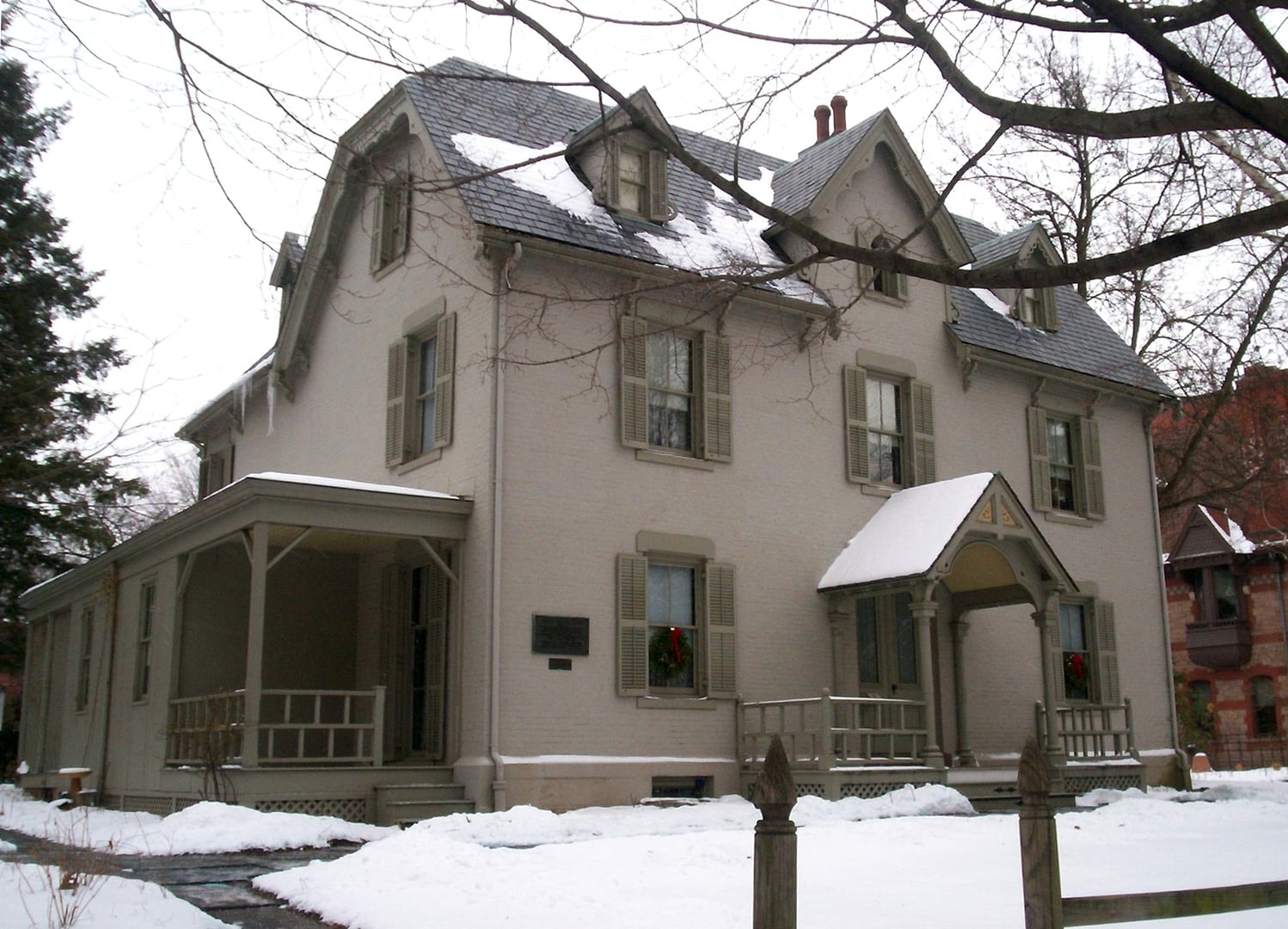
Villa Montezuma stands at the corner of 20th and K streets in San Diego's Sherman Heights Historic District. The house was designed by the firm of Comstock and Trotsche and completed in 1887 as the residence of Benjamin Henry Jesse Francis Shepard, an internationally traveled pianist, author, and Spiritualist who later wrote under the pen name Francis Grierson.
Local businessmen the High brothers financed the home in hopes that Shepard's musical reputation would draw cultural capital to the young city. Shepard occupied the villa for roughly a year, performing concerts and holding Spiritualist séances in the music room, before financial difficulties and personal restlessness led him to sell the property and depart for Europe.
The home passed through a succession of owners over the following decades and gradually fell into disrepair. In the 1960s Save Our Heritage Organisation, in cooperation with the San Diego Historical Society, prevented its demolition. The Villa Montezuma Museum opened to the public in November 1972 under the operation of the historical society. A multi-year restoration funded in part by Community Development Block Grants concluded in late 2014, and the museum reopened in June 2015. The Friends of the Villa Montezuma currently operate the site on behalf of the City of San Diego.
The interior's most prominent features are the stained-glass portraits of composers, poets, and writers commissioned by Shepard, the music room with its original wall and ceiling decoration, and the Eastlake-style woodwork preserved through successive restorations.
Sources
- https://villamontezumamuseum.org/
- https://www.sohosandiego.org/tours/housemuseums/villamontezuma.htm
- https://en.wikipedia.org/wiki/Villa_Montezuma
ApparitionsPhantom soundsCold spots
Shepard's documented practice of Spiritualist séance and his reported ability to perform two-handed piano improvisations in different composers' styles formed the foundation of the home's later paranormal reputation. Successive owners across the late 19th and early 20th centuries reported financial reversals and personal misfortune after taking possession of the property, contributing to a folkloric pattern of a house that does not let its occupants prosper.
Reported phenomena in published accounts and ghost-tour materials include the sound of piano notes in the music room when the house is empty, the figure of an elderly woman observed at the window of one of the tower rooms, cold spots concentrated in the music room and upper hall, and a generalized heaviness that visitors describe in the second-floor corridor. Some accounts describe stained-glass portraits whose features appear to shift across visits, an observation that may reflect changes in natural light through the colored glass.
The museum itself does not market itself as a paranormal attraction, and its evening lantern tours are framed as interpretive history rather than ghost investigations. The folklore is best engaged through the regular weekend tours and through SOHO's published material on the house.
Notable Entities
Jesse ShepardAn elderly woman in the tower